

Basic circuit racing course
About our
Basic Track Racing Course
This course provides an essential introduction to fundamental techniques for optimizing performance and safety when driving vehicles on closed circuits. It covers key aspects such as selecting the ideal racing line, throttle and brake control, and the correct driving position to maximize control and speed. It focuses on developing skills to understand car behavior, identify reference points, and improve lap times through guided practice and applied track theory.
This course provides an essential introduction to the fundamental techniques for optimizing performance and safety when driving on closed circuits.
This course provides a solid foundation for more efficient and safer track driving, preparing participants for track day events, motorsport competitions, and the development of advanced skills. Students will learn to analyze and correct errors, adapt their driving to different types of vehicles and track conditions, with an emphasis on road safety and respect for the rules.
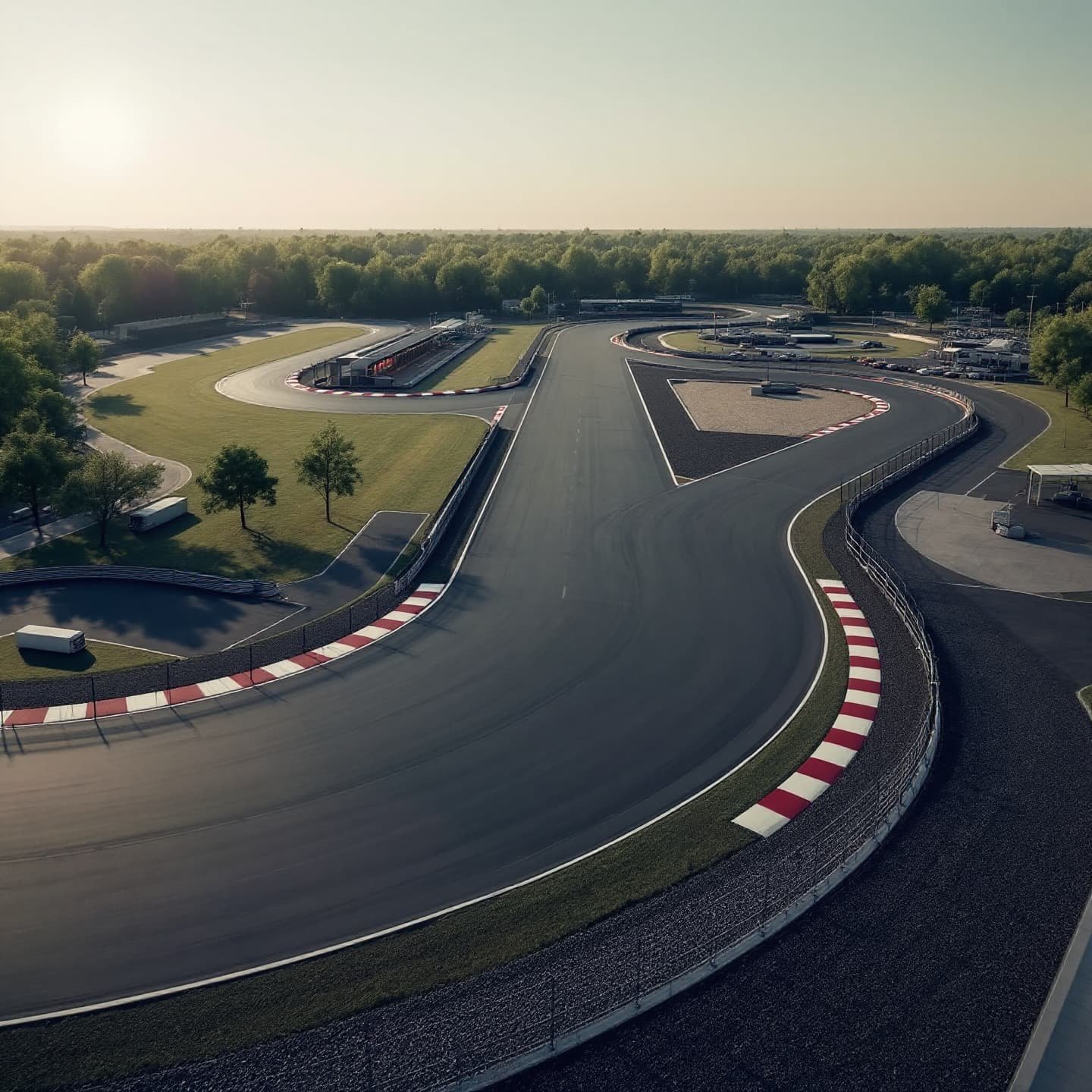
Basic circuit racing course
- Format: Hybrid
- Duration: 3 months
- Hours: 300 H
- Language: English / Spanish
- Registration date: 23-10-2026
- Start date: 12-12-2026
- Available places: 3
380 $
Competencies and results
What you will learn
1. Circuit Design: Fundamentals and Practical Applications
- Identify and understand the basic principles of electrical circuit design in naval environments.
- Interpret circuit diagrams and symbols used in ship systems.
- Analyze the function of key electronic components such as resistors, capacitors, inductors, and semiconductors in naval circuits.
- Apply design techniques to optimize circuit performance and reliability.
- Perform circuit calculations, including voltage, current, resistance, and power, using fundamental laws such as Ohm’s Law and Kirchhoff’s Laws.
- Diagnosticate and troubleshoot common faults in naval electrical circuits, using measurement and analysis tools.
- Understand the principles of circuit protection against overloads and short circuits.
- Learn about electrical power systems on ships, including generators, transformers, and distribution systems.
Explore specific applications of circuits in naval systems, such as communications, navigation, motor control, and sensors.
Become familiar with the relevant regulations and standards for the design and maintenance of electrical circuits in marine environments.
2. Rotor Analysis and Optimization: An Integrated Approach
- Identify and evaluate rotor failure modes: flap–lag–torsion.
- Study aerodynamic and dynamic stability, including the whirl flutter phenomenon.
- Understand and mitigate the effects of fatigue on rotating components.
- Design and optimize rotor structures using composites.
- Model and analyze structural joints, including bonded joints, using finite element (FE) methods.
- Calculate and predict the strength and durability of laminates.
- Apply damage tolerance strategies for failure management.
- Select and apply non-destructive testing techniques.
- Interpret the inspection results to assess structural integrity.
(NDT), such as UT/RT/thermography.
3. Comprehensive user-oriented design and validation (from modeling to manufacturing)
You will learn to integrate the entire product development process, from initial model conception to final validation, applying user-centered methodologies. You will develop skills in parametric design, ergonomics, simulation, sustainable materials, 3D visualization, and manufacturing management, ensuring efficient, safe solutions that meet current industry standards.
1. Basic Layout: Efficient Navigation on Circuits
- Understand the fundamentals of nautical charting.
- Interpret and apply basic nautical symbols.
- Use navigation instruments to determine position.
- Calculate bearings, distances, and navigation times.
- Apply navigation techniques on predefined circuits and routes.
- Manage information for safe and efficient navigation.
- Solve navigation problems in practical scenarios.
5. Circuit Layout Mastery: Essential Navigation Skills
- Interpretation and creation of nautical charts, including symbols and abbreviations.
- Calculating the ship’s position using various navigation techniques, such as dead reckoning, coastal navigation, and astronomy.
- Use and operation of modern navigation instruments, such as GPS, radar, and electronic navigation information systems (ECDIS).
- Planning maritime routes, considering factors such as distance, time, fuel consumption, and weather conditions.
- Application of international maritime regulations (COLREGs) to prevent collisions and ensure safety at sea.
6. Circuits: Basic Layout and Strategic Navigation
- Understand the fundamental principles of circuit design, including component selection and design optimization.
- Master strategic navigation techniques, encompassing route planning, use of navigational instruments, and resource management.
- Interpret and apply maritime regulations and codes of conduct relevant to safe navigation.
- Develop skills in identifying and solving common problems in navigation circuits and systems.
- Use simulation tools and software to analyze and optimize the performance of navigation circuits and strategies.
- Apply acquired knowledge in practice through simulation exercises, case studies, and real-world scenarios.
Who this program is for:
Basic circuit racing course
- Engineers with degrees in Naval Engineering, Maritime Engineering, or related disciplines.
- Professionals in the naval industry: shipyards, naval design firms, shipowners, and shipping companies.
- Experts in naval operations, including captains, deck officers, and engineer officers seeking to enhance their knowledge.
- Personnel from maritime authorities and classification bodies with responsibilities in safety and navigation.
Recommended qualifications: Basic knowledge of navigation, hydrodynamics, and maritime safety; ES/EN B2+/C1. Previous experience in the naval field will be considered an asset.
- Standards-driven curriculum: you will work with CS-27/CS-29, DO-160, DO-178C/DO-254, ARP4754A/ARP4761, ADS-33E-PRF from the first module.
- Accreditable laboratories (EN ISO/IEC 17025) with rotor bench, EMC/Lightning pre-compliance, HIL/SIL, vibrations/acoustics.
- Evidence-oriented TFM: safety case, test plan, compliance dossierand operational limits.
- Mentored by industry: teachers with experience in rotorcraft, tiltrotor, eVTOL/UAM and flight test.
- Flexible modality (hybrid/online), international cohorts and support from SEIUM Career Services.
- Ethics and security: safety-by-design approach, cyber-OT, DIH and compliance as pillars.
Module 1 — Introduction to Naval Route Planning
1.1 Fundamental Principles of Naval Route Planning
1.2 Navigation Instruments and Basic Charting
1.3 Interpretation of Nautical Symbols and Conventions
1.4 Planning Simple Routes: Initial Layout
1.5 Calculating Distances and Course
1.6 Using Layout Tools: Rulers and Compasses
1.7 Environmental Factors: Currents and Winds
1.8 Practical Exercises: Laying Out Simple Routes
1.9 Introduction to Navigational Safety
1.10 Introduction to the Concept of Strategic Navigation
2.2 Introduction to Rotor Analysis: Key Concepts
2.2 Rotor Geometry and Design: Fundamental Elements
2.3 Airflow and Fluid Dynamics Applied to Rotors
2.4 Rotor Modeling and Simulation: Tools and Techniques
2.5 Rotor Performance Analysis: Efficiency and Power
2.6 Rotor Optimization: Methods and Strategies
2.7 Rotor Materials and Manufacturing: Technical Considerations
2.8 Rotor Failure and Risk Analysis: Safety and Reliability
2.9 Rotor Applications in the Shipbuilding Industry
2.20 Case Studies: Analysis and Optimization of Specific Rotors
3.3 Course Layout: Navigation Fundamentals
3.2 Course and Distance Analysis in Course Layouts
3.3 Instrumentation and Equipment for Course Layouts
3.4 Nautical Charts and Their Application in Course Layouts
3.5 Position Calculation and Course Correction
3.6 Environmental Factors and Their Influence on Course Layouts
3.7 Route Planning and Selection of Control Points
3.8 Navigation Techniques in Adverse Conditions
3.9 Safety in Course Layout Navigation
3.30 Practical Exercises and Course Layout Simulations
4.4 Introduction to Basic Course Design: Fundamental Navigation Concepts
4.2 Key Course Elements: Identification and Functions
4.3 Essential Navigation Instruments for Course Design
4.4 Course Planning: Route Selection and Reference Points
4.5 Course Design Techniques in Visibility Conditions: Visual Navigation
4.6 Course Design in Low Visibility Conditions: Use of Instruments and Radar
4.7 Calculating Distances, Bearings, and Time: Fundamentals
4.8 Drift and Current Correction: Course Adjustments
4.9 Navigation Practice: Exercises and Course Simulation
4.40 Error Analysis and Continuous Improvement in Course Design
5.5 Fundamentals of Course Planning: Key Concepts
5.5 Nautical Symbols and Course Representation
5.3 Route Planning: Distance, Bearing, and Time
5.4 Navigation Instruments and Their Use in Course Planning
5.5 Position Calculation and Error Correction
5.6 Environmental Factors: Currents, Wind, and Tides
5.7 Navigation Techniques: Dead Reckoning, Visual Navigation, and Electronic Navigation
5.8 Using Nautical Charts and Geographic Information Systems (GIS)
5.9 Risk Assessment and Decision Making in Navigation
5.50 Course Planning Practice: Navigation Exercises and Simulations
6.6 Circuit Design Principles: Key Concepts
6.2 Circuit Navigation Instruments and Tools
6.3 Circuit Route Planning: Initial Analysis
6.4 Circuit Navigation Techniques: Positioning and Orientation
6.5 Environmental Factors and Their Impact on Circuit Design
6.6 Strategic Circuit Navigation: Key Decisions
6.7 Safety and Contingency Procedures
6.8 Real-Time Adaptation and Adjustments
6.9 Navigation Practices in Different Environments
6.60 Track Design Review and Optimization
- Hands-on methodology: test-before-you-trust, design reviews, failure analysis, compliance evidence.
- Software (depending on licenses/partners): MATLAB/Simulink, Python (NumPy/SciPy), OpenVSP, SU2/OpenFOAM, Nastran/Abaqus, AMESim/Modelica, acoustics tools, planning toolchains DO-178C.
- SEIUM Laboratories: scale rotor bench, vibrations/acoustics, EMC/Lightning pre-compliance, HIL/SIL for AFCS, data acquisition with strain gauging.
- Standards and compliance: EN 9100, 17025, ISO 27001, GDPR.
Capstone-type projects
- Circuit Design and Simulation: Route analysis and optimization, practical application.
- Rotor Analysis: Evaluation of efficiency and performance under different conditions.
- Circuit Navigation: Strategies for optimizing navigation and time.
- Advanced Techniques: Mastering skills for effective navigation.
- Circuit Optimization: Design and simulation, failure analysis, safety protocols
- Rotor Analysis: Optimization, efficiency, navigation control.
- Pacing and Navigation: Route planning, mapping, instrument use.
“`html
- Route Optimization: Efficient planning, current analysis, and energy optimization.
- Advanced Cartography: Use of electronic charts, satellite navigation, and positioning systems.
- Naval Meteorology: Weather forecasting, wind and wave analysis, and decision-making.
- Maneuvering Simulation: Simulator training, vessel handling in different scenarios.
“`
- Track Layout and Optimization: Basic circuits and advanced navigation strategies.
- Route Analysis: Application of techniques for efficient circuits and mastery of essential skills.
- Strategic Navigation: Mastery of track layouts, optimization, and fundamental circuit techniques.
Admissions, fees, and scholarships
- Profile: Background in Computer Engineering, Mathematics, Statistics, or related fields; practical experience in NLP and valued information retrieval systems.
- Documentation: Updated CV, academic transcript, SOP/statement of purpose, project examples or code (optional).
- Process: Application → Technical evaluation of profile and experience → Technical interview → Review of case studies → Final decision → Enrollment.
- Fees:
- Single payment: 10% discount.
- Payment in 3 installments: No fees; 30% upon registration + 2 equal monthly payments of the remaining 35%.
Monthly payment: available with a 7% commission on the total; annual review.
Scholarships: based on academic merit, financial need, and promoting inclusion; agreements with companies in the sector for partial or full scholarships.
See “Calendar & Calls for Applications,” “Scholarships & Grants,” and “Fees & Financing” in the SEIUM mega-menu.
Do you have any questions?
Our team is ready to help you. Contact us, and we will respond as soon as possible.
F. A. Q
Frequently asked questions
Yes, we have international certification
Yes: experimental models, real data, applied simulations, professional environments, real case studies.
It is not mandatory. We offer leveling tracks and tutoring.
Completely. It covers e-propulsion, integration, and emerging regulations (SC-VTOL).
Recommended. There are also internal challenges and consortiums.
Yes. Online/hybrid modality with planned labs and visa support (see “Visa & Residence”).