

Motorcycle cargo infrastructure course
About our
Motorcycle Charging Infrastructure Course
This course provides technical knowledge for the design, installation, and maintenance of charging points for electric two-wheelers. It explores industry standards, electrical safety, and charging compatibility, covering aspects such as component selection, energy management, and grid integration. It includes hands-on training on fast-charging systems, communication protocols, and troubleshooting, preparing participants to work on the expansion of charging infrastructure for electric motorcycles and scooters.
This course provides technical knowledge for the design, installation, and maintenance of charging points for electric two-wheelers.
This course offers a comprehensive overview of current regulations and best practices in the electrification of two-wheeled transport. It focuses on the proper implementation of charging stations, including assessing the capacity of the electrical grid, selecting strategic locations, and optimizing performance. Students are prepared to evaluate the environmental and economic impact of charging infrastructure, promoting sustainable mobility.
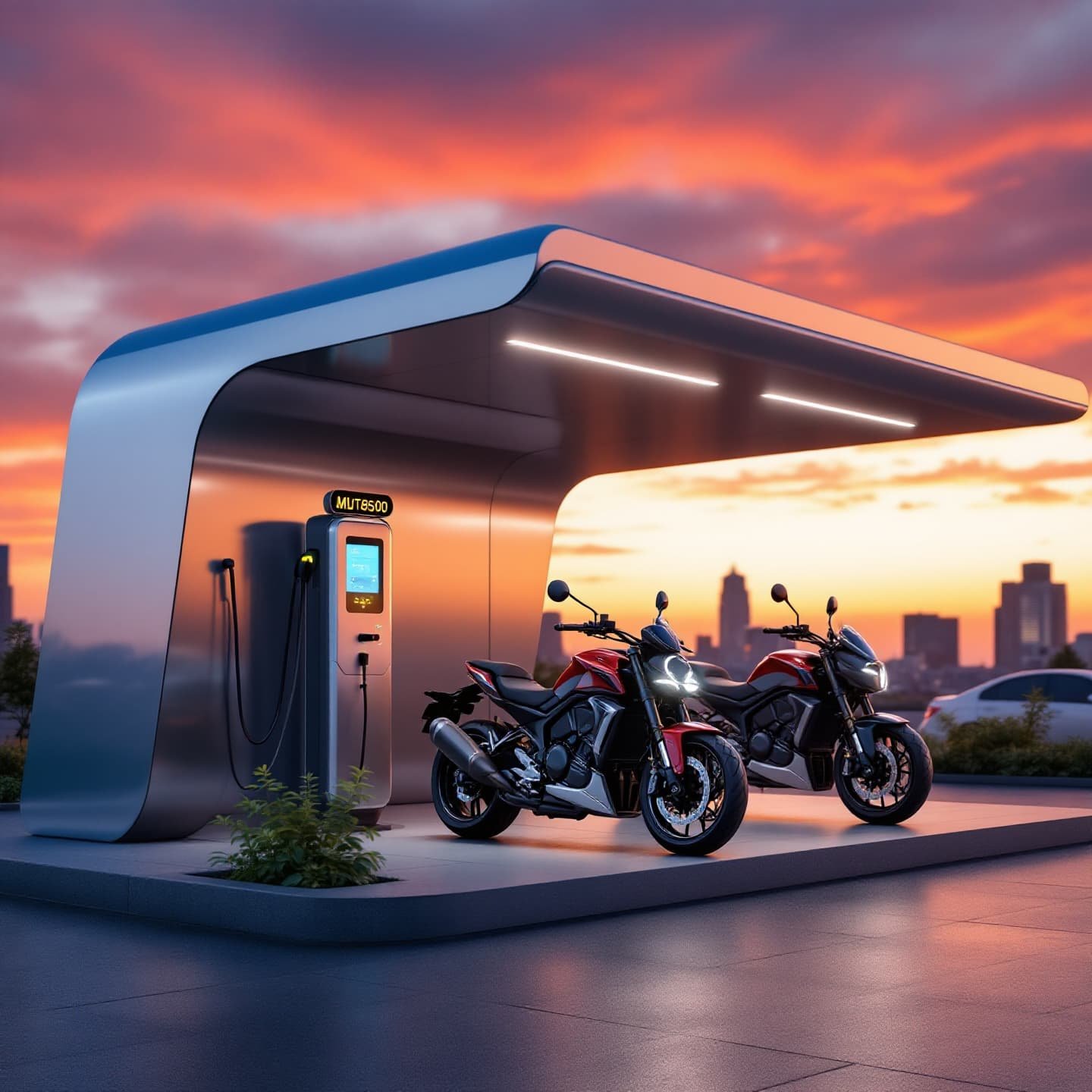
Motorcycle cargo infrastructure course
- Format: Hybrid
- Duration: 3 months
- Hours: 300 H
- Language: English / Spanish
- Registration date: 23-10-2026
- Start date: 12-12-2026
- Available places: 3
399 $
Competencies and results
What you will learn
1. Design and Optimization of Motorcycle Charging Infrastructure
- Motorcycle Charging System Design and Analysis: You will understand the fundamental principles of charging station design, including component selection and optimal layout.
- Charging Infrastructure Optimization: You will learn to evaluate and improve the efficiency of charging stations, considering factors such as charging speed, safety, and user experience.
- Component Selection and Specification: You will become familiar with the different types of connectors, cables, transformers, and other essential components for motorcycle charging stations.
- Electrical Safety Considerations: You will gain knowledge of electrical safety regulations and practices applicable to charging stations, including protection against overloads, short circuits, and electrical shocks.
- Integration with Energy Management Systems: You will explore how to integrate charging stations with energy management systems, such as smart grids and energy storage systems.
- Cost and Feasibility Analysis: You will learn to evaluate the implementation and operating costs of charging stations.
load, as well as to determine its economic viability.
2. Evaluation and Performance of Motorcycle Rotors
- You will gain a thorough understanding of rotor dynamics, including the analysis of critical couplings such as flap-lag-torsion, which are fundamental to stability and performance.
- You will study aerodynamic instability phenomena, specifically whirl flutter, and how to mitigate them through design and analysis.
- You will delve into the study of fatigue of rotor materials, understanding the failure mechanisms and strategies to prevent it.
- You will learn to size and optimize the design of rotor components using composites, taking advantage of their strength and lightness properties.
- You will master the design and analysis techniques for joints and bonded joints, ensuring the structural integrity and durability of rotors.
- You will use analysis Finite element analysis (FE) to model and predict the structural behavior of rotor components, optimizing design and reducing costs.
You will become familiar with damage tolerance methodology, allowing for the evaluation of rotor behavior under potential damage and failure.
You will explore non-destructive testing (NDT) techniques, such as UT (ultrasound), RT (radiography), and thermography, for the inspection and detection of defects in rotors.
You will understand the practical application of NDT techniques to ensure the safety and reliability of motorcycle rotors.
3. Comprehensive user-oriented design and validation (from modeling to manufacturing)
You will learn to integrate the entire product development process, from initial model conception to final validation, applying user-centered methodologies. You will develop skills in parametric design, ergonomics, simulation, sustainable materials, 3D visualization, and manufacturing management, ensuring efficient, safe solutions that meet current industry standards.
4. Construction and Improvement of Motorcycle Charging Stations
4. Construction and Improvement of Motorcycle Charging Stations
Charging System Design: Fundamental principles of electrical and electronic engineering applied to the design of motorcycle charging stations, including component selection, overload protection, and energy efficiency.
Electronic Integration: Implementation of charging circuits, battery management, and control systems to ensure safe and efficient charging.
Charging Station Architecture: Design of the physical structure of the stations, considering factors such as weather resistance, safety, accessibility, and aesthetics.
Material Selection: Choice of appropriate materials for station construction, considering durability, corrosion resistance, and sustainability.
Regulations and Standards: Compliance with relevant regulations and standards for electric vehicle charging stations, including electrical safety and compatibility.
Maintenance and Repair: Troubleshooting, preventive and corrective maintenance procedures, and repair techniques. Repair.
Testing and Validation: Conducting functional, safety, and efficiency tests, as well as validating the design.
Innovation and Trends: Exploring the latest technologies and trends in motorcycle charging stations, including fast charging, connectivity, and intelligent energy management.
5. Implementation and Management of Motorcycle Charging Networks
5. Implementation and Management of Motorcycle Charging Networks
Understand the fundamentals of motorcycle charging infrastructure, including the different types of connectors and power systems.
Learn about the regulations and safety standards relevant to motorcycle charging networks.
Study the key components of a charging network, such as charging stations, cables, and power management systems.
Analyze the different charging technologies available, including slow, fast, and ultra-fast charging.
Understand the challenges of implementing charging networks in different environments and locations.
Gain knowledge of charging network management, including monitoring, maintenance, and troubleshooting.
Explore software options and management platforms for optimizing performance and user experience.
Understand the economic and financial aspects of implementing and managing charging networks.
6. Analysis and Development of Motorcycle Charging Systems
6. Analysis and Development of Motorcycle Loading Systems
Analyze flap-lag-torsion, whirl flutter, and fatigue couplings.
Dimension laminates in composites, joints, and bonded joints with FE.
Implement damage tolerance and NDT (UT/RT/thermography).
Who this program is for:
Motorcycle cargo infrastructure course
- Electric motorcycle industry professionals, including engineers, designers, and technicians.
- Entrepreneurs and business owners interested in the motorcycle charging infrastructure business.
- Investors seeking opportunities in the electric mobility market.
- Technicians and electricians wishing to specialize in the installation and maintenance of charging stations.
- Students of technical and engineering degrees with an interest in the energy and sustainable mobility sector.
- Standards-driven curriculum: you will work with CS-27/CS-29, DO-160, DO-178C/DO-254, ARP4754A/ARP4761, ADS-33E-PRF from the first module.
- Accreditable laboratories (EN ISO/IEC 17025) with rotor bench, EMC/Lightning pre-compliance, HIL/SIL, vibrations/acoustics.
- Evidence-oriented TFM: safety case, test plan, compliance dossierand operational limits.
- Mentored by industry: teachers with experience in rotorcraft, tiltrotor, eVTOL/UAM and flight test.
- Flexible modality (hybrid/online), international cohorts and support from SEIUM Career Services.
- Ethics and security: safety-by-design approach, cyber-OT, DIH and compliance as pillars.
1.1 Introduction to Motorcycle Charging Infrastructure: Types and Components
1.2 Analysis of Charging Needs: Users, Fleets, and Routes
1.3 Charging Station Design: Location, Space, and Accessibility
1.4 Electrical Design Optimization: Cables, Connectors, and Safety
1.5 Selection of Charging Equipment: Chargers, Transformers, and Protection Systems
1.6 Thermal Management Design: Heat Dissipation and Cooling
1.7 Software and User Interface Optimization: Applications and Control
1.8 Performance Simulation and Modeling: Design and Analysis Software
1.9 Charging Infrastructure Design for Different Motorcycle Types
1.10 Cost Considerations and Return on Investment
2.2 Types of Rotors and Their Applications in Motorcycles
2.2 Rotor Materials and Manufacturing
2.3 Rotor Performance and Efficiency Testing
2.4 Rotor Failure Analysis and Diagnostics
2.5 Rotor Design for Different Motorcycle Models
2.6 Optimizing Rotor Design to Improve Performance and Range
2.7 Impact of Rotors on Motorcycle Safety and Stability
2.8 Rotor Maintenance and Lifespan
2.9 Rotor Standards and Quality Regulations
2.20 Future Trends in Rotor Design and Evaluation
3.3 Strategic Location Planning for Motorcycle Charging Stations
3.2 Demand Analysis and Growth Projection in the Electric Motorcycle Market
3.3 Selection and Sizing of Charging Components: Chargers, Cables, Connectors
3.4 Technical and Economic Feasibility Studies for Charging Infrastructure
3.5 Design of Electrical Circuits and Protection Systems for Charging Stations
3.6 Regulatory and Legal Considerations in Infrastructure Planning
3.7 User Experience Design: Accessibility and Ease of Use
3.8 Project Management and Implementation Schedules for Charging Stations
3.9 Risk Assessment and Problem Mitigation in Planning
3.30 Integration of Charging Infrastructure with the Existing Electrical Grid
4.4 Selection of Strategic Locations for Charging Stations
4.2 Architectural and Structural Design of Charging Stations
4.3 Selection and Installation of Components: Chargers and Connectors
4.4 Integration of Energy Management Systems
4.5 Implementation of Security and Protection Systems
4.6 Environmental Considerations and Sustainability in Construction
4.7 Integration of Renewable Energies in Charging Stations
4.8 Testing, Verification, and Commissioning of the Stations
4.9 Regulatory and Legal Compliance in Construction
4.40 Maintenance and Upgrading of Charging Stations
5.5 Motorcycle Charging Fundamentals: Types, Standards, and Technologies
5.5 Charging Station Design: Location, Capacity, and Layout
5.3 Component Selection: Chargers, Cables, and Connectors
5.4 Performance Optimization: Charging Speed, Efficiency, and Safety
5.5 Electrical Circuit Design: Protection and Power Management
5.6 Software and Control: Charging Management and Monitoring Systems
5.7 Environmental Considerations: Impact and Sustainability
5.8 Cost Analysis and Return on Investment
5.9 User Interface Design and Customer Experience
5.50 Applicable Regulations and Standards
5.5 Rotor Types and Their Characteristics: Design and Materials
5.5 Performance Evaluation: Efficiency, Speed, and Durability
5.3 Failure Analysis and Preventive Maintenance
5.4 Testing and Measurement: Vibration and Temperature Analysis 5.5 Rotor Selection and Optimization for Different Motorcycle Models
5.6 Rotor Design and Simulation
5.7 Impact on Overall Motorcycle Performance
5.8 Relevant Safety and Regulatory Aspects
5.9 Life Cycle Assessment and Sustainability
5.50 Case Studies and Best Practices
3.5 Feasibility Study and Needs Analysis
3.5 Site Selection and Existing Infrastructure Assessment
3.3 Charging Network Design: Station Location and Distribution
3.4 Infrastructure Sizing: Capacity and Scalability
3.5 Budgeting and Cost Analysis
3.6 Permits and Regulations: Regulatory Compliance
3.7 Project Management and Schedules
3.8 Supplier and Contractor Selection
3.9 Implementation and Deployment Strategies
3.50 Project Evaluation and Monitoring
4.5 Selection of materials and components.
4.5 Construction and assembly techniques.
4.3 Structural design: strength and safety.
4.4 Installation of electrical and charging systems.
4.5 Software and hardware integration.
4.6 Testing and commissioning.
4.7 Continuous improvement and optimization.
4.8 Compliance with safety standards and regulations.
4.9 Aesthetic design and user experience.
4.50 Maintenance and management of the charging station.
5.5 Charging network design: topology and architecture.
5.5 Implementation of management software: platforms and tools.
5.3 User management and access control.
5.4 Real-time monitoring and supervision.
5.5 Energy management and consumption optimization.
5.6 Preventive and corrective maintenance.
5.7 Data analysis and report generation. 5.8 Network Security and Data Protection
5.9 Network Scalability and Expansion
5.50 Integration with External Systems and Mobility Platforms
6.5 Charging System Modeling and Simulation
6.5 Failure Analysis and Operating Modes
6.3 Performance and Efficiency Optimization
6.4 Safety and Reliability Assessment
6.5 Cost and Life Cycle Analysis
6.6 Component and Technology Selection
6.7 Prototype Development and Testing
6.8 Data and Results Analysis
6.9 Emerging Trends and Technologies
6.50 Case Studies and Practical Applications
7.5 Installation Standards and Procedures
7.5 Tool and Equipment Selection
7.3 Wiring and Electrical Connections
7.4 Charger Configuration and Commissioning
7.5 Preventive and Corrective Maintenance
7.6 Troubleshooting and Diagnosis
7.7 Electrical Safety and Risk Protection
7.8 Periodic Inspections and Testing
7.9 Spare Parts and Component Management
7.50 Compliance with Regulations and Standards
8.5 Simulation and Modeling Tools
8.5 Load Infrastructure Modeling
8.3 Performance and Efficiency Simulation
8.4 Scenario Analysis and Optimization
8.5 Safety and Reliability Assessment
8.6 Cost Analysis and Return on Investment
8.7 Design of Experiments and Validation
8.8 Interpretation of Results and Conclusions
8.9 Failure Simulation and Risk Analysis
8.50 Practical Applications and Case Studies
6.6 Charging Station Design: Requirements and Standards
6.2 Component Selection: Chargers, Connectors, Cables
6.3 Infrastructure Optimization: Location, Capacity, Safety
6.4 Design Considerations: Aesthetics, Accessibility, Sustainability
6.5 Electrical Design: Power Distribution, Protection, Safety
6.6 Load Modeling and Simulation
6.7 Load Capacity Selection and Calculation
2.6 Material Evaluation: Rotor Selection and Specifications
2.2 Performance Analysis: Efficiency, Heat Generation, Vibrations
2.3 Testing and Measurement: Test Equipment, Procedures, Interpretation of Results
2.4 Failure Analysis and Troubleshooting
2.5 Design Improvement: Aerodynamic and Structural Optimization
2.6 Rotor Lifespan and Durability
2.7 Environmental Impact and Sustainability
3.6 Needs Analysis: Load Demand, Usage Patterns, Location
3.2 Site Selection: Selection Criteria, Feasibility Analysis
3.3 Network Design: Topology, Capacity, Redundancy
3.4 Planning Construction: schedule, budget, resources
3.5 Permits and regulations: compliance, local regulations
3.6 Feasibility study and return on investment
3.7 Charging infrastructure project management
4.6 Material selection: structure, cladding, protection
4.2 Electrical construction: wiring, connections, safety
4.3 Component assembly: charger installation, connectors
4.4 Testing and verification: commissioning, functional testing
4.5 Regulatory compliance: safety, efficiency, aesthetics
4.6 Construction management: quality control, risk management
4.7 Charging station design: modular and scalable design
5.6 Network architecture: communication protocols, standards
5.2 Network management: monitoring, control, optimization
5.3 Systems integration: energy management, security, billing
5.4 Network security: cybersecurity, data protection
5.5 Scalability and flexibility: network expansion, adaptability
5.6 Data analysis and performance: optimization, maintenance Predictive
5.7 Load Management Platforms and Mobile Applications
6.6 Charging Systems: Types, Characteristics, Advantages, and Disadvantages
6.2 Charging Technology: AC and DC, Load Levels
6.3 System Components: Chargers, Inverters, Batteries
6.4 Power Electronics: Load Control, Protection, Safety
6.5 Modeling and Simulation: Performance Analysis, Optimization
6.6 System Design: Specifications, Component Selection
6.7 Future Trends: Technological Advancements and New Solutions
7.6 Electrical Installation: Wiring, Grounding, Safety
7.2 Component Installation: Chargers, Connectors, Management Systems
7.3 Preventive Maintenance: Inspections, Cleaning, Lubrication
7.4 Corrective Maintenance: Troubleshooting, Repair
7.5 Tools and Equipment: Calibration, Testing, Measurements
7.6 Workplace Safety: Electrical Hazards, Personal Protective Equipment
7.7 Maintenance Management: Planning, Scheduling, Record Keeping
8.6 Load Modeling: Energy Flow Simulation
8.2 Simulation Software: Tools, functions, configurations
8.3 Scenario analysis: different load conditions
8.4 Design optimization: sensitivity analysis, parameter optimization
8.5 Model validation: comparison with real data
8.6 Failure simulation: error detection and analysis
8.7 Performance and efficiency analysis
- Hands-on methodology: test-before-you-trust, design reviews, failure analysis, compliance evidence.
- Software (depending on licenses/partners): MATLAB/Simulink, Python (NumPy/SciPy), OpenVSP, SU2/OpenFOAM, Nastran/Abaqus, AMESim/Modelica, acoustics tools, planning toolchains DO-178C.
- SEIUM Laboratories: scale rotor bench, vibrations/acoustics, EMC/Lightning pre-compliance, HIL/SIL for AFCS, data acquisition with strain gauging.
- Standards and compliance: EN 9100, 17025, ISO 27001, GDPR.
Capstone-type projects
- Charging Optimization: Station design and efficiency, system simulation and analysis.
- Performance: Rotor evaluation, testing, and impact analysis.
- Planning and Implementation: Network management, installation, and maintenance.
- Construction and Improvement: Charging stations, component selection.
- Station Design and Optimization: Demand analysis, component selection, performance simulation.
- Load Evaluation: Systems analysis, efficiency testing, battery studies.
- Network Implementation: Route planning, software management, network security.
- Maintenance: Predictive maintenance, troubleshooting, technology upgrades.
- Load Design and Optimization: Load flow analysis, component selection, simulation, and efficiency.
- Performance Evaluation: Load testing, data analysis, and identification of improvements.
- Planning and Implementation: Station design, project management, and regulatory compliance.
- Construction and Maintenance: Safe installation, protocols, and troubleshooting.
- Simulation and Analysis: Modeling, validation, scenarios, and optimization.
- Charging Network Design: Optimal station placement; demand/usage analysis; management software.
- Charging Evaluation: Charger efficiency/safety; performance testing; speed optimization.
- Infrastructure: Modular design; durable materials; renewable energy integration.
- Maintenance: Predictive scheduling; remote diagnostics; firmware updates.
- Simulation: Load flows; fault analysis; virtual operational testing.
Admissions, fees, and scholarships
- Profile: Background in Computer Engineering, Mathematics, Statistics, or related fields; practical experience in NLP and valued information retrieval systems.
- Documentation: Updated CV, academic transcript, SOP/statement of purpose, project examples or code (optional).
- Process: Application → Technical evaluation of profile and experience → Technical interview → Review of case studies → Final decision → Enrollment.
- Fees:
- Single payment: 10% discount.
- Payment in 3 installments: No fees; 30% upon registration + 2 equal monthly payments of the remaining 35%.
Monthly payment: available with a 7% commission on the total; annual review.
Scholarships: based on academic merit, financial need, and promoting inclusion; agreements with companies in the sector for partial or full scholarships.
See “Calendar & Calls for Applications,” “Scholarships & Grants,” and “Fees & Financing” in the SEIUM mega-menu.
Do you have any questions?
Our team is ready to help you. Contact us, and we will respond as soon as possible.
F. A. Q
Frequently asked questions
Yes, we have international certification
Yes: experimental models, real data, applied simulations, professional environments, real case studies.
It is not mandatory. We offer leveling tracks and tutoring.
Completely. It covers e-propulsion, integration, and emerging regulations (SC-VTOL).
Recommended. There are also internal challenges and consortiums.
Yes. Online/hybrid modality with planned labs and visa support (see “Visa & Residence”).