

Ergonomics course for urban and touring motorcycles
About our
Urban and Touring Motorcycle Ergonomics Course
Explore the optimization of design and riding experience by analyzing the interaction between the motorcyclist and the machine. It focuses on the ergonomic adaptation of motorcycles to improve comfort, safety, and efficiency, considering aspects such as posture, control position, and protection from the elements. biomechanical analysis and postural simulation techniques are used to evaluate the impact of different designs on the rider’s health and performance, within the context of road safety and current legislation.
The course offers practical tools for evaluating and modifying motorcycles, considering factors such as riding style (urban vs. touring), rider anatomy, and protective gear. It delves into the study of suspensions, seats, handlebars, and pedals, as well as fatigue analysis and injury prevention. This training prepares participants for roles such as vehicle ergonomics technicians, motorcycle designers, road safety consultants, and motorcycle customization specialists, increasing rider satisfaction and well-being.
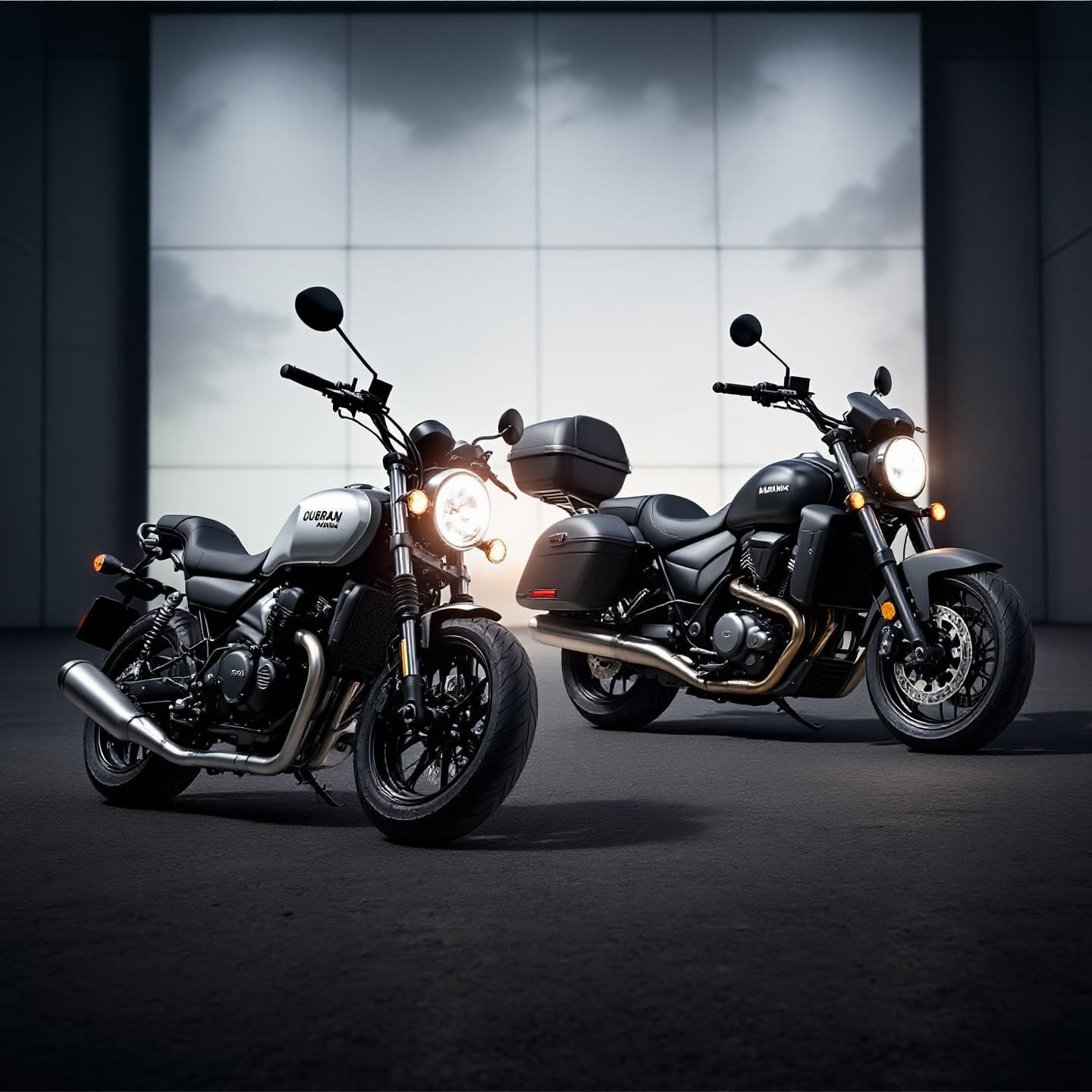
Ergonomics course for urban and touring motorcycles
- Format: Hybrid
- Duration: 3 months
- Hours: 300 H
- Language: English / Spanish
- Registration date: 23-10-2026
- Start date: 12-12-2026
- Available places: 3
599 $
Competencies and results
What you will learn
1. Motorcycle Ergonomics: Master Posture and Comfort in Urban and Touring
- Identify and optimize the ideal riding position on different types of motorcycles (urban and touring).
- Understand the biomechanics of the body in motion and its interaction with the motorcycle.
- Analyze comfort factors: seat, handlebars, footpegs, and their impact on riding.
- Apply techniques to reduce fatigue and discomfort during long journeys.
- Adjust the motorcycle’s ergonomics to suit the rider’s physical characteristics.
- Recognize and prevent common injuries related to motorcycle posture and use.
- Evaluate and select ergonomic accessories to improve the riding experience.
- Develop strategies for safer and more comfortable riding in different conditions.
2. Ergonomic Optimization for Motorcyclists: Comfort and Control in Urban and Travel Environments
- Identify and apply ergonomic principles for motorcycle posture and handling.
- Evaluate the interaction between the rider’s body and the motorcycle, including the seat, handlebars, footpegs, and windscreen.
- Understand and mitigate the effects of vibration, noise, and environmental conditions on rider comfort and fatigue.
- Optimize the riding position to improve control, stability, and maneuverability in different situations.
- Adapt motorcycle ergonomics for different body types and riding styles.
- Select and adjust personal protective equipment (PPE) to maximize comfort and safety.
- Develop strategies to prevent and manage injuries related to posture and prolonged motorcycle use.
- Apply defensive and anticipatory riding techniques to reduce physical and mental stress.
- Design and evaluate ergonomic modifications to the motorcycle, such as custom seats, adjustable handlebars, and optimized windscreens.
- Analyze the impact of ergonomics on rider performance, including speed, endurance, and precision.
3. Comprehensive user-oriented design and validation (from modeling to manufacturing)
You will learn to integrate the entire product development process, from initial model conception to final validation, applying user-centered methodologies. You will develop skills in parametric design, ergonomics, simulation, sustainable materials, 3D visualization, and manufacturing management, ensuring efficient, safe solutions that meet current industry standards.
4. Motorcycle Ergonomics: A Master Guide to Comfort and Performance in Urban and Touring Motorcycles
4. Motorcycle Ergonomics: A Master Guide to Comfort and Performance on Urban and Touring Motorcycles
- Identify and evaluate optimal ergonomic riding positions on different types of motorcycles (urban and touring), considering anthropometry and biomechanics.
- Understand the factors that influence rider fatigue and comfort, including vibration, noise, temperature, and ventilation.
- Apply ergonomic design principles to select and adjust motorcycle components (seat, handlebars, footpegs, windscreen) to optimize comfort and control.
- Analyze the interaction between rider and motorcycle in real-world riding situations, identifying potential ergonomic risks and proposing solutions.
- Evaluate the impact of ergonomics on rider performance, including agility, reaction time, and resistance to fatigue.
- Design and propose ergonomic improvements for existing motorcycles, using simulation and analysis tools.
- Understand the regulations and safety standards related to motorcycle ergonomics.
- Develop strategies to minimize the risk of injuries related to posture and physical exertion while riding.
- Use ergonomic measurement and analysis tools to evaluate and improve motorcycle ergonomics.
- Apply ergonomic principles to the design of motorcycle accessories and equipment (gloves, jackets, helmets), optimizing comfort and safety.
5. Motorcycle Ergonomics: Design and Fit for Superior Urban and Touring Riding
- Identify and understand the fundamental principles of ergonomics applied to motorcycles.
- Analyze the interaction between the rider’s body and the machine in different riding styles (urban and touring).
- Evaluate the ideal riding position and key contact points (seat, handlebars, footpegs) to optimize comfort and control.
- Design and adjust the motorcycle to suit the individual dimensions and needs of the rider.
- Understand the influence of ergonomics on reducing fatigue and increasing riding safety.
- Explore the customization options and ergonomic accessories available on the market.
- Apply biomechanical analysis techniques to evaluate efficiency and injury prevention.
- Relate ergonomics to choosing the right motorcycle for different types of riding.
- Study how ergonomics impacts performance and the riding experience on long journeys.
- Integrate ergonomics into the preventive and corrective maintenance of motorcycles.
6. Motorcycle Ergonomics: Comfort, Control and Optimization for Urban and Touring Motorcycles
6. Motorcycle Ergonomics: Comfort, Control, and Optimization for Urban and Touring Motorcycles
Rider Position Design: Human-Machine Interaction (HMI) Analysis in Motorcycles. Ergonomics assessment for different riding styles (urban, touring).
Motorcycle adaptation to the rider: adjustments to the handlebars, seat, footpegs, and suspension to optimize comfort and control.
Biomechanical principles: application of biomechanics to understand the forces and movements of the rider’s body while riding.
Fatigue reduction: strategies to minimize rider fatigue, including component design and material selection.
Riding comfort: optimization of the suspension, seat, and wind protection to improve comfort on long journeys and in urban environments.
Control and stability: analysis of the influence of ergonomics on motorcycle control and stability at different speeds and road conditions.
Accessory selection and customization: evaluation of ergonomic accessories (grips, mirrors, protectors) and their impact on the riding experience.
Who this program is for:
Ergonomics course for urban and touring motorcycles
- Motorcycle industry professionals and technicians, including designers, engineers, mechanics, and product development personnel.
- Urban and touring motorcyclists looking to improve their comfort, safety, and riding experience through ergonomic optimization.
- Healthcare professionals (physiotherapists, chiropractors, etc.) interested in ergonomics and injury prevention for motorcyclists.
- Motorcycle accessory and equipment manufacturers who want to better understand their customers’ ergonomic needs.
- Motorcycle enthusiasts with basic mechanical and design knowledge, interested in learning about ergonomics to improve their own motorcycles.
- Standards-driven curriculum: you will work with CS-27/CS-29, DO-160, DO-178C/DO-254, ARP4754A/ARP4761, ADS-33E-PRF from the first module.
- Accreditable laboratories (EN ISO/IEC 17025) with rotor bench, EMC/Lightning pre-compliance, HIL/SIL, vibrations/acoustics.
- Evidence-oriented TFM: safety case, test plan, compliance dossierand operational limits.
- Mentored by industry: teachers with experience in rotorcraft, tiltrotor, eVTOL/UAM and flight test.
- Flexible modality (hybrid/online), international cohorts and support from SEIUM Career Services.
- Ethics and security: safety-by-design approach, cyber-OT, DIH and compliance as pillars.
Module 1 — Introduction to Motorcycle Ergonomics
1.1 Fundamentals of Ergonomics: Basic principles applied to motorcycle riding.
1.2 Importance of Ergonomics: Benefits for health, safety, and comfort.
1.3 Motorcycle Components: Ergonomic analysis of the seat, handlebars, footpegs, and controls.
1.4 Correct Posture: Body alignment and techniques to minimize fatigue.
1.5 Risk Factors: Identification of harmful postures and movements.
1.6 Adapting to the Environment: Adjustments for urban and touring riding.
1.7 Protective Gear: Influence on ergonomics and proper selection.
1.8 Motorcycle Design: Impact on ergonomics and key considerations.
1.9 Evaluation Methods: Techniques for analyzing ergonomics in different motorcycles. 1.10 Introduction to Customization: Basic ergonomic modifications.
2. Correct Positioning: Fundamentals of the ideal riding posture on urban motorcycles.
3. Handlebar Adjustment: Adaptation and control for different riding styles.
4. Seat Configuration: Customization to maximize comfort and safety.
5. Foot Position: Techniques for better balance and motorcycle control.
6. Control Ergonomics: Optimizing reach and ease of use of the controls.
7. Weight Distribution: Strategies to improve stability and reduce fatigue.
8. Suspension Adjustment: Influence on ergonomics and performance in the city.
9. Riding Techniques: Applying ergonomics for superior control.
20. Equipment Selection: Helmets, gloves, and jackets; their impact on ergonomics. 22. 20 Individual Adaptations: Tips for a personalized driving experience.
3.3 Fundamentals of Motorcycle Ergonomics: Principles and Objectives
3.2 Posture Analysis: Evaluation and Correction on Different Types of Motorcycles
3.3 Handlebar Adjustment: Optimization for Control and Comfort
3.4 Foot Positioning: Angles and Types of Footpegs
3.5 Seat Design: Lumbar Support and Comfort on Long Journeys
3.6 Wind Protection: Windscreens and Deflectors
3.7 Equipment: Selection of Ergonomic Clothing and Accessories
3.8 Riding Techniques: Impact of Ergonomics on Safety
3.9 Fatigue and Comfort: Strategies to Reduce Riding Fatigue
3.30 Preventive Maintenance: Influence on Motorcycle Ergonomics
4.4 Posture Fundamentals: Analysis and Correction for Urban and Touring Riding
4.2 Handlebar and Control Adjustment: Optimizing for Comfort and Control
4.3 Seat Selection: Ergonomics and Comfort for Different Motorcycle Styles
4.4 Foot Positioning: Optimizing for Handling and Rest
4.5 Protective Gear and Clothing: Impact on Ergonomics and Safety
4.6 Motorcycle Dynamics: How Ergonomics Affects Balance and Maneuverability
4.7 Riding Techniques: Adapting Posture to Different Situations
4.8 Pain and Fatigue Management: Strategies for Long Trips and Commutes
4.9 Assessment and Customization: Adapting Ergonomics to Your Specific Needs
4.40 Maintenance and Care: Extending Comfort and Ergonomic Efficiency
5.5 Riding Position Design: Analysis and Initial Adjustment
5.5 Handlebar and Control Adjustment: Reach, Angle, and Ergonomics
5.3 Seat Selection and Adjustment: Comfort and Lumbar Support
5.4 Foot Positioning and Footpegs: Angles and Comfort
5.5 Ergonomics and Equipment: Jackets, Gloves, and Footwear
5.6 Airflow and Protection: Windscreen and Deflectors
5.7 Touring Design and Adjustment: Panniers and Accessories
5.8 Urban Comfort Design: Maneuverability and Visibility
5.9 Rider-Motorcycle Integration: Key Contact Points
5.50 Analysis and Customization: Adapting to Individual Needs
6.6 Basic Posture and Ergonomics: Fundamentals for Urban and Touring Riding
6.2 Motorcycle Adjustment: Customization for Greater Comfort and Control
6.3 Body Positioning: Advanced Techniques for Different Situations
6.4 Protection and Equipment: Selection and Proper Use for Comfort and Safety
6.5 Handlebar and Controls: Optimization for Efficient Riding
6.6 Seat and Suspension: Impact on Comfort and Performance
6.7 Ergonomic Design: How It Influences the Rider’s Experience
6.8 Adapting to Different Types of Motorcycles: Urban vs. Touring
6.9 Injury Prevention: Strategies for Healthy Riding
6.60 Body Maintenance and Care: Long-Term Rider Well-being
- Hands-on methodology: test-before-you-trust, design reviews, failure analysis, compliance evidence.
- Software (depending on licenses/partners): MATLAB/Simulink, Python (NumPy/SciPy), OpenVSP, SU2/OpenFOAM, Nastran/Abaqus, AMESim/Modelica, acoustics tools, planning toolchains DO-178C.
- SEIUM Laboratories: scale rotor bench, vibrations/acoustics, EMC/Lightning pre-compliance, HIL/SIL for AFCS, data acquisition with strain gauging.
- Standards and compliance: EN 9100, 17025, ISO 27001, GDPR.
Capstone-type projects
- Postural Assessment: Biomechanical analysis and ergonomic adjustment for urban and touring motorcycles.
- Custom Design: Adaptation of components (seats, handlebars, footpegs) to optimize comfort and control.
- Simulation and Testing: Validation of ergonomic prototypes in different riding scenarios.
- Practical Guide: User manual with personalized recommendations for motorcycle ergonomics.
- Postural Analysis: Urban/touring biomechanical study; ergonomic prototype design.
- Custom Fit: Motorcycle adaptation; dynamic testing; comfort evaluation.
- Ergonomic Design: Creation of optimized components; performance and safety improvement.
- Simulation and Testing: Stress analysis; field validation; user feedback.
- Perfect Posture: Biomechanical analysis and ergonomic adjustment for urban and touring motorcycles.
- Custom Design: Customization of handlebars, seat, and footpegs to optimize comfort and control.
- Field Testing: Evaluation of ergonomics under various riding conditions.
- Comprehensive Ergonomic Fit: Biomechanical study, postural analysis, and component customization.
- Seat and Handlebar Design: Advanced ergonomics to reduce fatigue and improve control in various conditions.
- Evaluation and Adaptation: Road testing, rider feedback, and continuous optimization for urban and touring.
- Protection Analysis: Evaluation of protection against wind, rain, and sun.
Admissions, fees, and scholarships
- Profile: Background in Computer Engineering, Mathematics, Statistics, or related fields; practical experience in NLP and valued information retrieval systems.
- Documentation: Updated CV, academic transcript, SOP/statement of purpose, project examples or code (optional).
- Process: Application → Technical evaluation of profile and experience → Technical interview → Review of case studies → Final decision → Enrollment.
- Fees:
- Single payment: 10% discount.
- Payment in 3 installments: No fees; 30% upon registration + 2 equal monthly payments of the remaining 35%.
Monthly payment: available with a 7% commission on the total; annual review.
Scholarships: based on academic merit, financial need, and promoting inclusion; agreements with companies in the sector for partial or full scholarships.
See “Calendar & Calls for Applications,” “Scholarships & Grants,” and “Fees & Financing” in the SEIUM mega-menu.
Do you have any questions?
Our team is ready to help you. Contact us, and we will respond as soon as possible.
F. A. Q
Frequently asked questions
Yes, we have international certification
Yes: experimental models, real data, applied simulations, professional environments, real case studies.
It is not mandatory. We offer leveling tracks and tutoring.
Completely. It covers e-propulsion, integration, and emerging regulations (SC-VTOL).
Recommended. There are also internal challenges and consortiums.
Yes. Online/hybrid modality with planned labs and visa support (see “Visa & Residence”).