

Course on race strategies in endurance motorcycling
About our
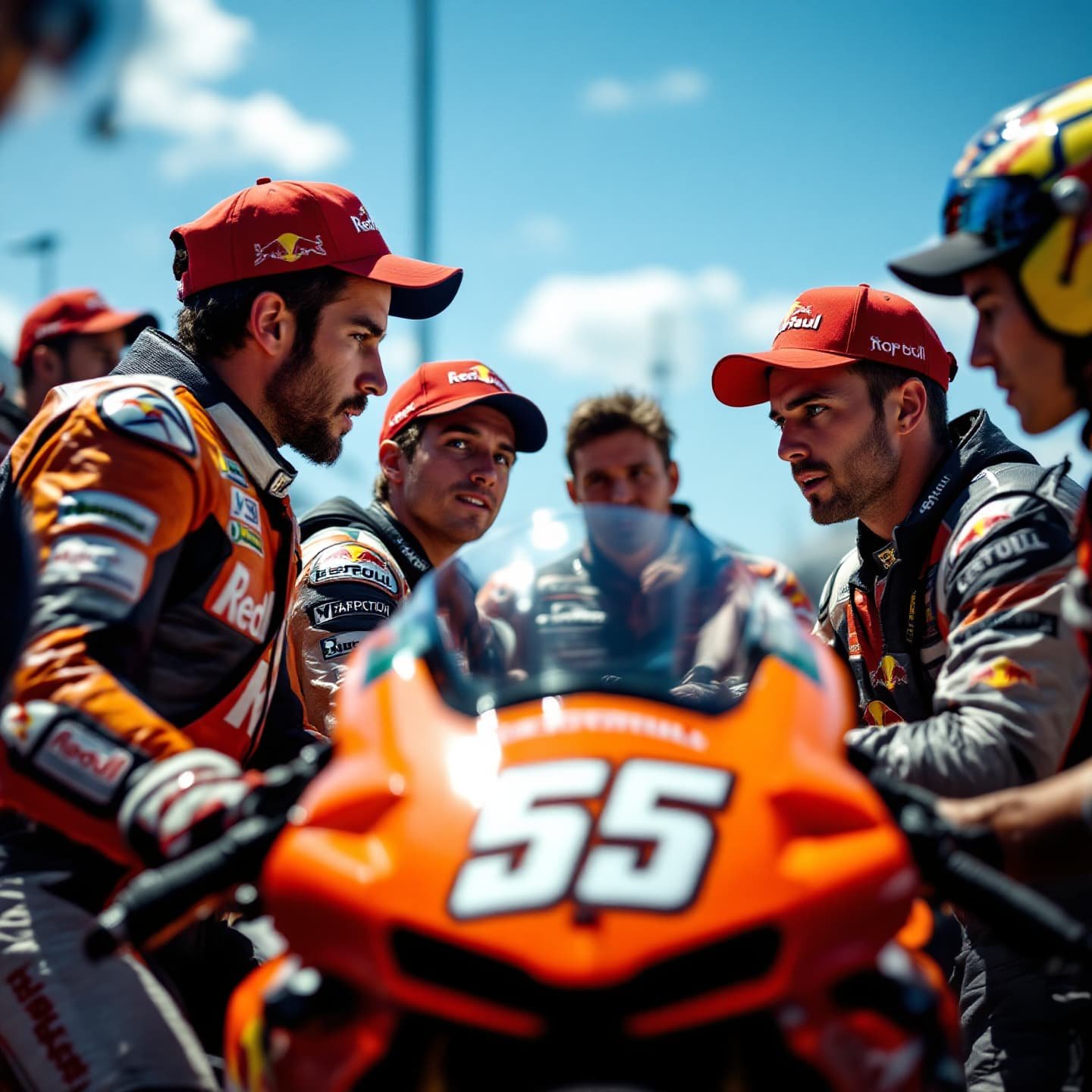
The Endurance Motorcycle Racing Race Strategy course explores the planning and execution of long-distance motorcycle races, integrating team management, performance analysis, and real-time decision-making. It focuses on the application of advanced riding techniques, pit stop strategies, and fuel consumption optimization to maximize success in events such as the 24 Hours of Le Mans. It covers crucial aspects such as motorcycle maintenance, effective communication between rider and team, and stress management under extreme conditions.
[The following appears to be unrelated and possibly a separate entry:]
[The following appears to be unrelated and possibly a separate entry:]
The course offers practical simulations and real-world race case studies, enabling participants to develop leadership, problem-solving, and adaptability skills. It prepares individuals for roles such as team managers, race strategists, endurance racers, and race engineers, providing a deep understanding of the world of endurance motorcycle racing and the keys to victory. It focuses on safety and optimized performance in competition.
Course on race strategies in endurance motorcycling
- Format: Hybrid
- Duration: 3 months
- Hours: 300 H
- Language: English / Spanish
- Registration date: 23-10-2026
- Start date: 12-12-2026
- Available places: 3
699 $
Competencies and results
What you will learn
1. Mastering Racing Strategies in Endurance Motorcycle Racing: Keys to Success
**What will you learn?**
1. You will master the essential fundamentals of endurance motorcycle racing strategy, including:
* In-depth analysis of race dynamics, from pit stop planning to pace management and tire degradation.
* Understanding the key variables that influence performance, such as track position, traffic, and weather conditions.
* Developing skills for quick and effective decision-making in high-pressure race situations.
2. You will refine your skills in preparing and executing specific strategies, such as:
* Overtaking and defensive strategies in different race situations.
* Optimizing fuel consumption and managing motorcycle energy.
* Adapting strategy to the unique characteristics of each circuit and the changing race conditions.
3. You will enhance your ability to analyze and evaluate rider and motorcycle performance, with the goal of optimizing strategy in real time:
* Use of telemetry data to identify areas for improvement and make informed decisions.
* Effective communication with the technical team to implement necessary adjustments to motorcycle setup and race strategy.
* Development of a strategic mindset to anticipate competitors’ moves and capitalize on opportunities that arise during the race.
2. Performance Optimization in Endurance Races: Race Tactics and Success Management
Here is the requested content:
## What Will You Learn?
1. Master key strategies for **strategic planning** in endurance races, including pace selection, hydration and nutrition management, and adapting to changing conditions.
2. Develop **tactical analysis** skills to optimize performance during the race, such as identifying landmarks, anticipating competitors’ moves, and executing overtaking strategies.
3. Implement effective **effort management** techniques to maintain consistent performance and prevent fatigue, including heart rate monitoring, time management, and optimizing recovery.
4. Understand the importance of **mental preparation** in endurance races, including stress management, visualizing success, and developing resilience in the face of adversity.
5. Apply knowledge of **nutrition and supplementation** to optimize performance and recovery, including selecting appropriate foods, planning intake during the race, and strategically using supplements.
6. Acquire **post-race analysis** skills to evaluate performance, identify areas for improvement, and set realistic goals for future races, including data analysis, tactical review, and training adjustments.
3. Comprehensive user-oriented design and validation (from modeling to manufacturing)
You will learn to integrate the entire product development process, from initial model conception to final validation, applying user-centered methodologies. You will develop skills in parametric design, ergonomics, simulation, sustainable materials, 3D visualization, and manufacturing management, ensuring efficient, safe solutions that meet current industry standards.
4. Racing Strategies in Endurance Motorcycle Racing: Planning, Execution, and Victory
4. Racing Strategies in Endurance Motorcycle Racing: Planning, Execution, and Victory
Master time and resource management during qualifying, practice, and race stages.
Develop advanced race tactics: overtaking strategies, tire and fuel management.
Understand the role of effective communication between rider, technical team, and pit crew.
Analyze telemetry data to optimize motorcycle and rider performance.
Design a comprehensive physical and mental training plan for endurance motorcycle racing.
Establish specific nutrition and hydration strategies for long-distance races.
Evaluate and select key motorcycle components: engine, suspension, brakes, and tires.
Implement a risk and safety management program to prevent accidents and injuries.
Understand the regulations and Regulations for endurance races at the national and international levels.
Create a marketing and sponsorship plan for the race and the team.
5. Endurance Motorcycle Racing Strategies: Advanced Tactics for Race Victory
5. Endurance Motorcycling Strategies: Advanced Tactics for Race Victory
Mastery of Specific Physical Preparation:
High-Intensity Interval Training (HIIT) and Endurance: Optimizing aerobic and anaerobic capacity to maintain race pace.
Muscle Strengthening and Endurance: Focusing on key muscle groups for motorcycle control and fatigue mitigation.
Flexibility and Mobility: Developing agility and preventing injuries.
Motorcycle Analysis and Setup:
Tire Selection and Fitting: Strategies to optimize grip, durability, and performance in different track and weather conditions.
Suspension: Precise calibration to maximize stability, traction, and shock absorption.
Crisis Management: Techniques for dealing with mechanical problems, changing weather conditions, and unexpected situations.
Mental Aspects and Concentration:
Stress and Pressure Management: Techniques for staying calm and focused under pressure in race situations.
Visualization and Focus: Mental training to improve performance and concentration throughout the race.
6. Racing Strategies in Endurance Motorcycle Racing: Comprehensive Planning and Risk Management
6. **Endurance Motorcycle Racing Career Strategies: Comprehensive Planning and Risk Management**
Developing a comprehensive career strategy: analysis of key factors for success in endurance racing.
Season planning: defining objectives, selecting events, and creating a training and competition schedule.
Risk management: identifying and assessing the inherent hazards of endurance motorcycle racing.
Riding strategies: advanced techniques to optimize performance and safety on the track.
Data analysis and telemetry: interpreting information for continuous improvement of rider performance and motorcycle management.
Team and mechanic management: efficient organization and coordination of the technical and support team.
Optimizing motorcycle performance: selecting and adjusting components to maximize speed, reliability, and efficiency.
Who this program is for:
Course on race strategies in endurance motorcycling
- Endurance motorcycle racers looking to refine their tactical and strategic race skills.
- Endurance motorcycle team managers and strategists who want to optimize the performance of their team and riders.
- Endurance motorcycle data and telemetry analysts seeking a deeper understanding of race strategy.
- Endurance motorcycle fans with prior knowledge of the sport and an interest in the intricacies of race strategy.
- Standards-driven curriculum: you will work with CS-27/CS-29, DO-160, DO-178C/DO-254, ARP4754A/ARP4761, ADS-33E-PRF from the first module.
- Accreditable laboratories (EN ISO/IEC 17025) with rotor bench, EMC/Lightning pre-compliance, HIL/SIL, vibrations/acoustics.
- Evidence-oriented TFM: safety case, test plan, compliance dossierand operational limits.
- Mentored by industry: teachers with experience in rotorcraft, tiltrotor, eVTOL/UAM and flight test.
- Flexible modality (hybrid/online), international cohorts and support from SEIUM Career Services.
- Ethics and security: safety-by-design approach, cyber-OT, DIH and compliance as pillars.
1.1 Fundamental Principles of Endurance Racing: Introduction and Context
1.2 Regulations and Rules: Understanding the Rules of the Game
1.3 Circuit Analysis: Geometry, Characteristics, and Challenges
1.4 Tire Types and Their Impact on Strategy
1.5 Driver Selection and Their Role in Strategy
1.6 Importance of Physical and Mental Preparation
1.7 Weather Factors and Their Influence on the Race
1.8 Fuel Management and Pit Stops
1.9 Communication and Teamwork: The Key to Success
1.10 Introduction to Data Analysis and Telemetry
2.2 Key Elements of Strategy in Endurance Motorcycle Racing
2.2 Critical Success Factors: Rider, Bike, and Team
2.3 Understanding the Race Environment: Circuit, Weather, and Competition
2.4 Setting Realistic Objectives and Goals
2.5 Introduction to Basic Race Tactics
2.2 Defining Specific and Measurable Objectives
2.2 Detailed Analysis of the Circuit and Conditions
2.3 Strategic Selection of Tires and Fuel
2.4 Designing the Race Plan: Pace, Pit Stops, and Overtaking Strategies
2.5 Risk Management: Analysis and Mitigation of Potential Failures
3.2 Optimizing Race Pace: Consistency and Efficiency
3.2 Managing Pit Stops: Timing, Strategy, and Coordination
3.3 Real-Time Data Analysis and Strategic Adjustments
3.4 Adapting to Conditions Track Changers
3.5 Strategies to Maximize Driver Performance
4.2 Overtaking and Defending Tactics
4.2 Strategies for Different Race Types: Leading, Pursuit, and Recovery
4.3 Strategic Use of the Pace Car and Yellow Flags
4.4 Team Communication and Coordination on Track and in the Pits
4.5 Specific Tactics for Long-Distance Races
5.2 Risk Identification and Assessment: Mechanical, Weather, and Competition-Related
5.2 Contingency Planning and Unforeseen Event Preparation
5.3 Risk Management of Component Failure and Wear
5.4 Strategies for Recovery After Incidents
5.5 Decision Making in High-Pressure Situations
6.2 Race Plan Implementation: Step-by-Step Execution
6.2 Effective Team Communication and Coordination
6.3 Stress Management and Pressure During the Race
6.4 Real-Time Plan Adaptation
6.5 Strategies for Maintaining Motivation and Focus
7.2 Post-Race Analysis: Performance Evaluation and Identification of Areas for Improvement
7.2 Continuous Optimization: Data-Driven Strategy Refinement
7.3 Developing New Tactics and Strategies
7.4 Team and Personnel Management
7.5 Logistical and Financial Aspects of the Race
8.2 Final Strategies for Victory
8.2 The Role of the Driver and Team in Victory
8.3 Celebrating and Recognizing Success
8.4 Planning for Future Races
8.5 Lessons Learned and Continuous Development
3. Rider, Motorcycle, and Circuit: The Endurance Triad.
3.3 Fundamentals of the rider’s physical and mental preparation.
3.2 Selecting and preparing the motorcycle for endurance racing.
3.3 Studying and analyzing the circuit: layout, conditions, and critical points.
3.4 Importance of communication and teamwork.
3.5 Risk assessment and safety measures on the track.
3.6 Specific riding techniques for endurance racing.
3.7 Preventive maintenance and knowledge of the motorcycle.
3.8 Adapting to the environment and weather conditions.
3.9 Equipment selection and optimization.
3.30 Analysis of initial data and race simulation.
2. Strategic Planning for Endurance Racing.
2.3 Defining race objectives and goals.
2.2 Competitor analysis and study of their strengths and weaknesses. 2.3 Designing the overall race strategy: pace, pit stops, etc.
2.4 Time management and planning for each phase of the race.
2.5 Creating a contingency plan for unforeseen events.
2.6 Tire selection and strategic management.
2.7 Optimizing fuel consumption and its impact.
2.8 Analyzing historical data and its application.
2.9 Defining team roles and responsibilities.
2.30 Reviewing and adjusting the strategy based on race developments.
3. Managing Race Pace and Times.
3.3 Establishing a consistent and effective race pace.
3.2 Monitoring lap and sector times.
3.3 Using telemetry and data to optimize performance.
3.4 Managing tires and their degradation.
3.5 Adapting pace to track and weather conditions. 3.6 Detecting and responding to changes in motorcycle performance.
3.7 Effective communication with the team for pace management.
3.8 Strategies for overcoming moments of physical or mental crisis.
3.9 Analyzing competitors’ pace and adapting accordingly.
3.30 Controlling and adjusting pace based on race position.
4. Race Tactics and Overtaking.
4.3 Identifying key overtaking points on the circuit.
4.2 Safe and effective overtaking techniques.
4.3 Strategies for defending position.
4.4 Analyzing competitor behavior.
4.5 Using slipstreaming and other track tactics.
4.6 Risk management during overtaking.
4.7 Communicating race tactics with the team.
4.8 Adapting tactics to race conditions. 4.9 Strategies for traffic management and position control.
4.30 Video analysis and tactical evaluation.
5. Data Analysis and Decision Making.
5.3 Telemetry data collection and analysis.
5.2 Use of data analysis software and tools.
5.3 Identifying areas for improvement in riding and motorcycle performance.
5.4 Making quick and effective decisions during the race.
5.5 Evaluating the risks and benefits of each decision.
5.6 Effectively communicating data to the team.
5.7 Adapting decisions to the evolving race situation.
5.8 Using simulations and predictive models.
5.9 Competitor data analysis.
5.30 Implementing data-driven changes.
6. Pit Stop Strategies and Management.
6.3 Pit stop planning and organization.
6.2 Designing an optimal pit stop strategy.
6.3 Efficient pit time management.
6.4 Effective communication between the rider and the team in the pits.
6.5 Tire selection and changes during pit stops.
6.6 Quick pit stop adjustments and repairs.
6.7 Fuel management during pit stops.
6.8 Strategies for overtaking in the pits.
6.9 Evaluating and adjusting the pit stop strategy.
6.30 Safety considerations during pit stops.
7. Adaptation and Response During the Race.
7.3 Adapting to changes in track conditions.
7.2 Responding to mechanical failures and breakdowns on the motorcycle.
7.3 Adapting to changes in weather and environmental conditions.
7.4 Managing unforeseen events and emergency situations.
7.5 Adjusting the race strategy based on events. 7.6 Making quick and effective decisions in unexpected situations.
7.7 Effective communication with the team regarding changes.
7.8 Maintaining concentration and performance in the face of adversity.
7.9 Analyzing and learning from race situations.
7.30 Adapting to competitors’ strategies.
8. Strategies for Final Victory.
8.3 Positioning in the final phase of the race.
8.2 Managing the lead and defending the position.
8.3 Tactics to overtake direct competitors.
8.4 Controlling the pace and managing risk in the final phase.
8.5 Strategies to avoid mistakes and maintain concentration.
8.6 Effective communication with the team in the crucial phase.
8.7 Anticipating competitors’ strategies.
8.8 Maximizing the bike’s performance at the end.
8.9 Celebrating and analyzing the victory. 8.30 Planning for future careers and continuous improvement.
4.4 Circuit identification and analysis: layout, corners, straights, and critical points.
4.2 Designing a circuit-based race strategy: gear selection, braking and acceleration points.
4.3 Weather factors and their impact on race design.
4.4 Asphalt condition assessment and its influence on strategy.
4.5 Creating a circuit risk map.
4.6 Identifying overtaking opportunities.
4.7 Selecting and analyzing benchmarks on the circuit.
4.8 Planning the initial race strategy.
2.4 Planning race pace: fastest lap, consistent pace, and tire management.
2.2 Setting lap time targets.
2.3 Fuel-saving strategies.
2.4 Competitive analysis and pace adjustment.
2.5 Developing overtaking and defensive strategies. 2.6 Real-time information management and strategy adjustment.
2.7 Implementation of pace strategies for different race conditions.
2.8 Pace adjustment based on race position.
3.4 Tire selection and management: compounds, pressures, and wear.
3.2 Tire change strategies and optimal windows.
3.3 Fuel consumption calculation and management.
3.4 Fuel-saving strategies to extend stints.
3.5 Analysis of the impact of weight and fuel load on performance.
3.6 Pit stop planning for refueling and tire changes.
3.7 Fuel efficiency optimization in different phases of the race.
3.8 Strategies to minimize pit time.
4.4 Overtaking techniques: preparation, execution, and risk assessment.
4.2 Analysis of optimal overtaking points on the circuit. 4.3 Defensive and blocking strategies.
4.4 Anticipation and adaptation to competitors’ actions.
4.5 Risk management in overtaking.
4.6 Evaluation of overtaking feasibility.
4.7 Considerations regarding traffic and flags.
4.8 Executing overtaking maneuvers in different race conditions.
5.4 Pit stop planning: strategy and timing.
5.2 Pit stop procedures: tire changes, refueling, and adjustments.
5.3 Pit stop time strategies to gain positions.
5.4 Communication and coordination within the pit team.
5.5 Pit stop simulation and training.
5.6 Evaluation of the impact of pit stops on the overall strategy.
5.7 Adapting the pit stop strategy based on conditions.
5.8 Time and resource management during pit stops.
6.4 Real-time data collection: telemetry and performance analysis.
6.2 Data interpretation: speed, acceleration, lean angles, and others.
6.3 Using data to adjust race strategy.
6.4 Real-time competition analysis.
6.5 Detecting mechanical problems and their impact on strategy.
6.6 Using information for rapid decision-making.
6.7 Evaluating the impact of changes in motorcycle setup.
6.8 Data-driven performance optimization strategies.
7.4 Adapting to changing weather conditions: rain, sun, and wind.
7.2 Adjusting motorcycle setup according to conditions.
7.3 Riding strategies in different conditions.
7.4 Tire management in changing conditions.
7.5 Impact of temperature on engine and tire performance. 7.6 Planning specific strategies for extreme conditions.
7.7 Adapting to yellow and safety flags.
7.8 Re-evaluating and adjusting the strategy based on the conditions.
8.4 Designing the winning strategy: leadership, risk management, and the final push.
8.2 Analyzing the competition’s position and strategy.
8.3 Managing the advantage and the leading position.
8.4 Strategies for the final push: attack and defense.
8.5 Managing stress and pressure in the final phase of the race.
8.6 Decision-making in critical situations.
8.7 Celebrating and evaluating the victory.
8.8 Planning and executing strategies to secure a podium finish.
5.5 Fundamentals of strategic planning: defining objectives and circuit analysis.
5.5 Selecting the base strategy: fuel, tires, and drivers.
5.3 Competitive assessment and strengths/weaknesses analysis.
5.4 Race simulation and scenario analysis.
5.5 Team and resource management: personnel, logistics, and communication.
5.6 Identifying key success factors and potential risks.
5.7 Creating the detailed race plan and schedule.
5.8 Adaptation and flexibility: preparing for unforeseen events and changes.
5.5 Controlling race pace: fastest lap, consistency, and time management.
5.5 Optimizing driver performance: physical, mental, and nutritional.
5.3 Tire selection and management: wear, degradation, and pit stop strategy.
5.4 Fuel management and efficient consumption.
5.5 Real-time data monitoring and performance analysis. 5.6 Motorcycle adjustments and calibration during the race.
5.7 Effective communication with the team and coordination of actions.
5.8 Adapting to rivals’ race pace and managing position.
3.5 Overtaking tactics: analysis of braking points and racing lines.
3.5 Defensive strategies and blocking positions.
3.3 Selecting the opportune moment to attack and defend.
3.4 Using the slipstream and the advantages of drafting.
3.5 Risk management in overtaking and minimizing accidents.
3.6 Group tactics and teamwork for overtaking.
3.7 Anticipating moves and reading the race.
3.8 Adapting to track conditions and rivals’ strategies.
4.5 Pit stop planning: optimal timing and strategy.
4.5 Tire selection and motorcycle adjustment during the pit stop. 4.3 Pit stop time management and resource optimization.
4.4 Team communication and task coordination.
4.5 Pit stop strategies based on race position and competition.
4.6 Pit stop simulation and practice for efficiency.
4.7 Risk management during pit stops: errors and failures.
4.8 Adapting to changes in race conditions and pit stop strategy.
5.5 Real-time data collection and analysis: telemetry and sensors.
5.5 Performance data interpretation: speed, lap times, and positions.
5.3 Tire data analysis: wear, temperature, and pressure.
5.4 Identifying patterns and trends in the race.
5.5 Real-time strategy adaptation based on data.
5.6 Bike adjustments and calibration based on data analysis.
5.7 Strategic decision-making based on available information. 5.8 Effective communication of data to the team and driver.
6.5 Identification and assessment of risks: mechanical, weather-related, and human.
6.5 Risk management strategies: mitigation and prevention.
6.3 Race strategy planning for potential risk scenarios.
6.4 Driver and team safety management.
6.5 Fuel and tire conservation strategies for potential unforeseen events.
6.6 Adapting the strategy to race conditions and present risks.
6.7 Effective communication in risky situations and rapid decision-making.
6.8 Creation of contingency plans for different risk scenarios.
7.5 Implementation of the race plan: roles and responsibilities.
7.5 Effective communication and team coordination.
7.3 Execution of the strategy on the track: pace and position management.
7.4 Time management and adherence to the schedule. 7.5 Monitoring rider and motorcycle performance.
7.6 Real-time adjustments and adaptations to race conditions.
7.7 Managing pit stops and tire changes.
7.8 Making quick and effective decisions in critical situations.
8.5 Attack strategies in the final laps: overtaking and defense.
8.5 Tire and fuel management in the closing stages of the race.
8.3 Analyzing rivals’ positions and strategies at the end of the race.
8.4 Strategies to secure a podium finish and victory.
8.5 Managing rider pressure and mindset at the end of the race.
8.6 Adapting to track conditions and rivals’ behavior.
8.7 Celebrating and analyzing the victory: learning and continuous improvement.
8.8 Planning the strategy for the next race and future goals.
6.6 Race Data Collection and Analysis: Identifying Key Points
6.2 Risk Assessment: Factors Affecting Performance and Safety
6.3 Contingency Plan Design: Preparing for Unforeseen and Critical Situations
6.4 Pit Stop Strategy Management: Timing, Decisions, and Execution
6.5 Real-Time Performance Monitoring: Data Collection and Analysis
6.6 Tire Management Optimization: Strategies and Wear
6.7 Weather and Track Condition Analysis: Impact on Strategy
6.8 Driver Physical and Mental State Assessment: Support Strategies
6.9 Team Communication and Coordination Strategies: Crucial Information
6.60 Race Simulations: Modeling and Predicting Results
- Hands-on methodology: test-before-you-trust, design reviews, failure analysis, compliance evidence.
- Software (depending on licenses/partners): MATLAB/Simulink, Python (NumPy/SciPy), OpenVSP, SU2/OpenFOAM, Nastran/Abaqus, AMESim/Modelica, acoustics tools, planning toolchains DO-178C.
- SEIUM Laboratories: scale rotor bench, vibrations/acoustics, EMC/Lightning pre-compliance, HIL/SIL for AFCS, data acquisition with strain gauging.
- Standards and compliance: EN 9100, 17025, ISO 27001, GDPR.
Capstone-type projects
- Race Planning: circuit analysis, pit stop strategies, tire management.
- Risk Management: weather assessment, safety strategies, emergency protocols.
- Performance Optimization: telemetry, data analysis, setup tuning.
- Competitor Analysis: driver analysis, team strategies, weakness detection.
- Data Analysis and Simulation: Race modeling, performance prediction, and strategy analysis.
- Race Management: Pit stop planning, tire and fuel management.
- Advanced Tactics: Overtaking, defending position, and team strategies.
- Risk Management: Risk assessment and mitigation during the race.
- Post-Race Analysis: Performance evaluation and continuous optimization.
- Telemetry Analysis: Collection and evaluation of race data to identify areas for improvement.
- Race Simulation: Modeling race scenarios to optimize strategies and risk management.
- Strategic Planning: Designing customized race plans, considering weather and competition.
- Team Management: Effective coordination of the technical and support team during races.
- Tactical Mastery: Track analysis, tire management, pit strategy.
- Pace Management: Fast lap control, adaptation to changing conditions, and race pace.
- Comprehensive Planning: Long-term race strategies, team performance optimization, risk analysis.
- Precise Execution: Overtaking, defending position, reacting to unexpected situations.
Admissions, fees, and scholarships
- Profile: Background in Computer Engineering, Mathematics, Statistics, or related fields; practical experience in NLP and valued information retrieval systems.
- Documentation: Updated CV, academic transcript, SOP/statement of purpose, project examples or code (optional).
- Process: Application → Technical evaluation of profile and experience → Technical interview → Review of case studies → Final decision → Enrollment.
- Fees:
- Single payment: 10% discount.
- Payment in 3 installments: No fees; 30% upon registration + 2 equal monthly payments of the remaining 35%.
Monthly payment: available with a 7% commission on the total; annual review.
Scholarships: based on academic merit, financial need, and promoting inclusion; agreements with companies in the sector for partial or full scholarships.
See “Calendar & Calls for Applications,” “Scholarships & Grants,” and “Fees & Financing” in the SEIUM mega-menu.
Do you have any questions?
Our team is ready to help you. Contact us, and we will respond as soon as possible.
F. A. Q
Frequently asked questions
Yes, we have international certification
Yes: experimental models, real data, applied simulations, professional environments, real case studies.
It is not mandatory. We offer leveling tracks and tutoring.
Completely. It covers e-propulsion, integration, and emerging regulations (SC-VTOL).
Recommended. There are also internal challenges and consortiums.
Yes. Online/hybrid modality with planned labs and visa support (see “Visa & Residence”).