

Course on the Impact of Climate Change on Coastal Areas
About our
The Impact of Climate Change on Coastal Areas course explores the consequences of global warming on coastal environments, including sea level rise, coastal erosion, and changes in marine ecosystems. socioeconomic and environmental vulnerabilities are examined, along with adaptation and mitigation strategies. Climate models, observational data, and risk assessment tools are analyzed, preparing participants to understand and address current and future challenges in these critical areas. The course focuses on the application of nature-based solutions, integrated coastal planning, and disaster management, promoting a holistic approach to coastal resilience. Topics such as wetland protection, beach rehabilitation, and the implementation of effective public policies will be addressed. The aim is to train professionals to assess impacts, develop adaptation projects, and promote sustainability in coastal areas.
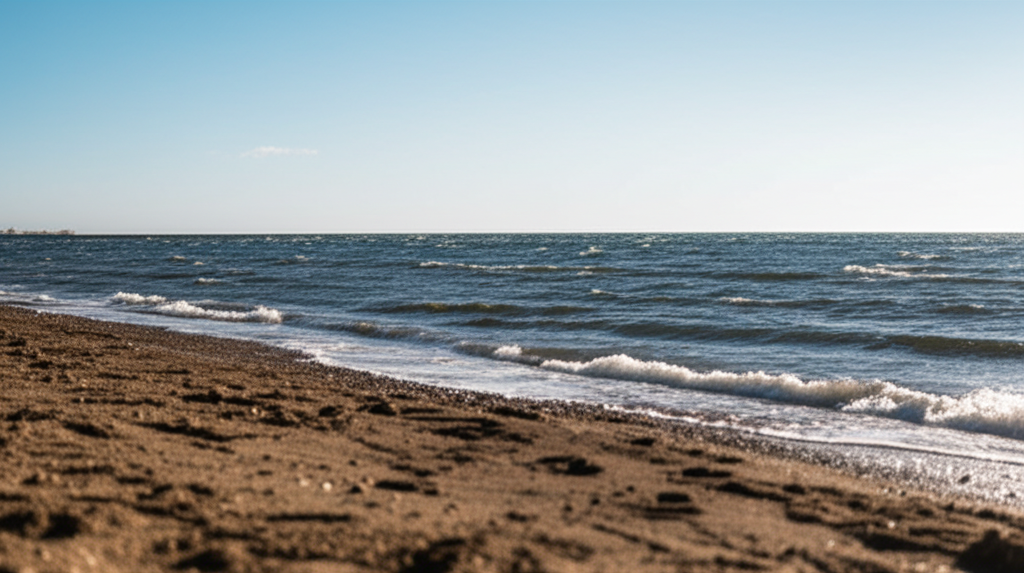
Course on the Impact of Climate Change on Coastal Areas
- Format: Online
- Duration: 3 months
- Hours: 300 H
- Language: English / Spanish
- Registration date: 23-10-2026
- Start date: 12-12-2026
- Available places: 3
349 $
Competencies and results
What you will learn
1. Impact of Climate Change on Coasts: Analysis and Adaptation Strategies
1. **Impact of Climate Change on Coasts: Analysis and Adaptation Strategies**
- Identify the main climate change phenomena affecting coastal areas: sea level rise, intensification of extreme weather events, coastal erosion, and ocean acidification.
- Assess the risks and vulnerabilities of coastal communities, infrastructure, and ecosystems to the impacts of climate change.
- Analyze the different coastal adaptation strategies: protection (construction of dikes, breakwaters), accommodation (relocation, land-use planning), and retreat (strategic setback).
- Understand the principles of coastal adaptation project design and management, including cost-benefit analysis, stakeholder engagement, and consideration of long-term sustainability.
- Study the tools and technologies used in coastal adaptation, such as simulation models, early warning systems, and nature-based solutions. (mangrove and dune restoration).
Explore case studies of successful coastal adaptation projects in different regions of the world, analyzing their lessons learned and challenges.
Develop skills for creating comprehensive coastal adaptation plans that consider resilience, mitigation, and risk management.
Analyze legislation, policies, and institutional frameworks related to coastal adaptation at the national and international levels.
Understand the importance of intersectoral collaboration and citizen participation in the effective implementation of adaptation strategies.
Evaluate the socioeconomic impact of climate change on coastal areas and develop strategies to promote sustainable development and equity.
2. **Coastal Domain: In-depth Study of Climate Change and Strategic Solutions**
Here is the requested content:
2. **Coastal Domain: In-Depth Study of Climate Change and Strategic Solutions**
- Understand the causes and consequences of climate change at the coastal level, including sea-level rise, coastal erosion, and the intensification of extreme weather events.
- Evaluate the impacts of climate change on coastal ecosystems, such as mangroves, coral reefs, and wetlands, and analyze their socioeconomic implications.
- Explore and analyze different climate models and projections for the coastal zone, using data and simulation tools.
- Identify and evaluate strategic solutions for climate change adaptation and mitigation in coastal areas, including nature-based approaches and coastal engineering.
- Develop coastal adaptation plans, considering the vulnerability of communities and infrastructure, and proposing resilience measures.
- Analyze the related legal and policy framework with climate change and coastal management, including international agreements and national policies.
Study and apply risk assessment and vulnerability analysis tools for decision-making in coastal management.
Promote collaboration and stakeholder participation in the implementation of sustainable coastal solutions.
3. Comprehensive user-oriented design and validation (from modeling to manufacturing)
You will learn to integrate the entire product development process, from initial model conception to final validation, applying user-centered methodologies. You will develop skills in parametric design, ergonomics, simulation, sustainable materials, 3D visualization, and manufacturing management, ensuring efficient, safe solutions that meet current industry standards.
4. **Coastal Climate: Understanding and Acting on the Impact of Climate Change**
4. **Coastal Climate: Understanding and Acting in the Face of the Impact of Climate Change**
- Identify the key climatic factors that influence coastal areas: temperature, precipitation, wind, waves, and ocean currents.
- Analyze the interaction between the atmosphere and the ocean, understanding the processes of heat, moisture, and gas exchange.
- Understand the impact of climate change on sea level rise, the frequency and intensity of extreme events (storms, floods, droughts), and ocean acidification.
- Assess the vulnerability of coastal communities and ecosystems to climate risks, including coastal erosion, habitat loss, and biodiversity degradation.
- Use climate modeling tools and data analysis to project future scenarios and understand long-term trends.
- Develop adaptation and mitigation strategies to reduce the impacts of climate change in coastal areas, including urban planning, water resource management, and infrastructure protection.
Explore nature-based solutions (resilient coastal ecosystems) for climate change adaptation, such as mangrove restoration, wetland protection, and the construction of artificial reefs.
Analyze policies and regulations related to climate change and coastal management, including international agreements and local strategies.
Participate in simulations and case studies to apply acquired knowledge to real-world situations, addressing specific challenges and proposing innovative solutions.
Communicate findings and proposals effectively to diverse audiences, including decision-makers, the general public, and coastal communities.
5. **Vulnerable Coastal Zones: Detailed Climate Change Research and Resilience Planning**
5. **Vulnerable Coastal Zones: Detailed Climate Change Research and Resilience Planning**
Understand the specific impacts of climate change on coastal zones, including sea level rise, coastal erosion, and the increased frequency and intensity of extreme weather events.
Analyze relevant climate and oceanographic data, such as temperatures, ocean currents, wind patterns, and wave data, to assess the vulnerability of coastal zones.
Identify and assess the risks associated with climate change in different coastal zones, considering environmental, social, and economic aspects.
Explore and apply modeling and simulation methodologies to predict the evolution of coastal zones under different climate change scenarios.
Develop resilience planning strategies, including adaptation and mitigation measures, to protect coastal zones and their communities.
Evaluate the effectiveness of different adaptation solutions, such as the construction of resilient infrastructure, the restoration of coastal ecosystems, and the implementation of coastal management policies.
Analyze case studies of vulnerable coastal areas, identifying lessons learned and best practices in resilience planning.
Become familiar with the tools and technologies available for monitoring, assessing, and managing vulnerable coastal areas.
Understand the legal and regulatory aspects related to coastal planning and climate risk management.
Design and implement comprehensive resilience plans, considering the participation of local communities and relevant stakeholders.
6. **Coastal Climate Challenges: Study and Strategic Response to Climate Change**
6. **Coastal Climate Challenges: Study and Strategic Response to Climate Change**
Understand the dynamics of coastal systems in the face of climate variability.
Evaluate the impacts of sea-level rise, coastal erosion, and extreme events on coastal communities.
Analyze climate models and projections to understand future scenarios in coastal areas.
Identify and assess vulnerabilities and risks in coastal infrastructure and ecosystems.
Develop climate change adaptation and mitigation strategies, including nature-based solutions.
Design and implement coastal resilience projects, considering technical, social, and economic aspects.
Use modeling and simulation tools to predict coastal behavior in the face of climate change.
Incorporate the participation of local communities in coastal planning and management.
Who this program is for:
Course on the Impact of Climate Change on Coastal Areas
- Maritime industry professionals, including naval engineers and oceanographers.
- Government officials and technicians from environmental and coastal management agencies.
- Researchers and academics interested in climate change and its effects on coasts.
- Environmental consultants and professionals in the coastal resource planning and management sector.
- Standards-driven curriculum: you will work with CS-27/CS-29, DO-160, DO-178C/DO-254, ARP4754A/ARP4761, ADS-33E-PRF from the first module.
- Accreditable laboratories (EN ISO/IEC 17025) with rotor bench, EMC/Lightning pre-compliance, HIL/SIL, vibrations/acoustics.
- Evidence-oriented TFM: safety case, test plan, compliance dossierand operational limits.
- Mentored by industry: teachers with experience in rotorcraft, tiltrotor, eVTOL/UAM and flight test.
- Flexible modality (hybrid/online), international cohorts and support from SEIUM Career Services.
- Ethics and security: safety-by-design approach, cyber-OT, DIH and compliance as pillars.
1.1 Introduction to Climate Change: Key concepts and scientific evidence.
1.2 Coasts: Definition, importance, and vulnerability.
1.3 Impacts of Climate Change on Coastal Zones: Sea level rise, erosion, and extreme events.
1.4 Factors Affecting Coasts: Geology, hydrodynamics, and human activities.
1.5 Global Examples: Case studies on the impact of climate change in different coastal regions.
1.6 Observation Methods: Techniques for monitoring and analyzing changes in coastlines.
1.7 Information Sources: Climate data, models, and analytical tools.
1.8 Concepts of Resilience: Adaptation to and mitigation of coastal climate change.
1.9 Regulatory Framework: International policies and agreements related to coastal zones.
1.10 Challenges and Opportunities: Reflections on the future of coastal zones.
2.2 Coastal Geomorphology and Littoral Processes: Coastal dynamics, erosion, and sedimentation.
2.2 Key Climate Variables: Temperatures, sea levels, waves, and their impact.
2.3 Indicators of Climate Change in Coastal Zones: Data analysis and trends.
2.4 Impacts of Climate Change: Flooding, coastal erosion, and biodiversity loss.
2.5 Coastal Vulnerability Assessment: Risk maps and impact analysis.
2.6 Adaptation Strategies: Coastal protection and nature-based solutions.
2.7 Coastal Engineering: Design and construction of resilient infrastructure.
2.8 Integrated Coastal Zone Management: Planning and governance.
2.9 Case Studies: Practical examples of adaptation and mitigation.
2.20 Policies and Legislation: Legal framework for coastal climate change adaptation.
3.3 Introduction to Climate Change and its Effects on Coastal Zones
3.2 Sea Level Rise: Causes and Consequences
3.3 Impact on Coastal Erosion and Beach Dynamics
3.4 Intensification of Extreme Weather Events (storms, hurricanes)
3.5 Ocean Acidification and its Effects on Coastal Marine Life
3.6 Alterations in Coastal Ecosystems: Mangroves, Wetlands, Reefs
3.7 Impact on Coastal Infrastructure and Communities
3.8 Coastal Vulnerability Assessment: Key Factors
3.9 Monitoring and Modeling Climate Change in Coastal Zones
3.30 Case Studies: Examples of Impacts and Challenges in Different Coastal Regions
4.4 Introduction to Coastal Climate Change: Fundamentals and Definitions
4.2 Impacts of Climate Change on Coasts: Sea Level Rise and Coastal Erosion
4.3 Extreme Climate Events: Hurricanes, Floods, and Heat Waves
4.4 Coastal Vulnerability Analysis: Risk Assessment and Exposure Factors
4.5 Adaptation Strategies: Coastal Protection and Integrated Management
4.6 Coastal Resilience Planning: Designing Sustainable Solutions
4.7 Monitoring and Evaluation: Tools for Monitoring Climate Change
4.8 Policies and Regulatory Framework: Governance for Coastal Adaptation
4.9 Case Studies: Examples of Successful Adaptation in Coastal Areas
4.40 The Future of Coastal Climate: Challenges and Opportunities
5.5 Definition and Scope of Coastal Climate Change
5.5 Causes and Effects of Climate Change at a Global Level
5.3 Specific Impacts on Coastal Zones
5.4 Importance of Adaptation and Mitigation in Coastal Areas
5.5 Legal and Policy Framework for Coastal Climate Change
5.6 Structure of Coastal Ecosystems and Their Vulnerability
5.7 Tools and Technologies for Coastal Monitoring
5.8 Key Information Sources and Resources on Climate Change
5.9 Introduction to the Concepts of Coastal Resilience and Sustainability
5.50 Future Perspectives and Challenges of Coastal Climate Change
6.6 Introduction to Coastal Climate Challenges: Overview and Global Context
6.2 Impact of Climate Change: Sea Level Rise and Coastal Erosion
6.3 Extreme Weather Events: Intensification of Hurricanes and Storms
6.4 Effects of Climate Change: Ocean Acidification and its Consequences
6.5 Coastal Vulnerability Analysis: Identification of Risk Zones
6.6 Adaptation Strategies: Coastal Protection and Nature-Based Solutions
6.7 Resilience Planning: Development of Sustainable Coastal Cities
6.8 Integrated Coastal Zone Management: Holistic Approaches and Governance
6.9 Tools and Technologies: Climate Modeling and Geographic Information Systems 6.60 Case Studies: Implementation of Adaptation Strategies in Different Contexts.
- Hands-on methodology: test-before-you-trust, design reviews, failure analysis, compliance evidence.
- Software (depending on licenses/partners): MATLAB/Simulink, Python (NumPy/SciPy), OpenVSP, SU2/OpenFOAM, Nastran/Abaqus, AMESim/Modelica, acoustics tools, planning toolchains DO-178C.
- SEIUM Laboratories: scale rotor bench, vibrations/acoustics, EMC/Lightning pre-compliance, HIL/SIL for AFCS, data acquisition with strain gauging.
- Standards and compliance: EN 9100, 17025, ISO 27001, GDPR.
Capstone-type projects
- Coastal Climate Impact: Hydrodynamic modeling and erosion; design of natural and artificial barriers.
- Coastal Resilience: Vulnerability assessment; adaptive urban planning; relocation strategies.
- Coastal Adaptation: Resilient infrastructure; ecosystem restoration; integrated resource management.
- Coastal Climate Analysis: Predictive modeling of flooding, erosion, and sea level rise.
- Risk Assessment: Identification of vulnerable areas and socioeconomic impact analysis.
- Adaptation Strategies: Design of resilient infrastructure, coastal management, and nature-based solutions.
- Coastal Adaptation: Climate impact modeling; protection strategies; resilient planning.
- Coastal Analysis: Coastal vulnerability; risk assessment; nature-based solutions.
- Coastal Resilience: Implementation of measures; monitoring and evaluation; climate governance.
- Coastal Climate Impact: Hydrodynamic modeling and erosion; vulnerability and risk analysis.
- Adaptation Strategies: Design of sustainable coastal defenses; land-use planning and resource management.
- Community Resilience: Risk perception assessment and development of awareness programs.
- Legal and Policy Framework: Analysis of climate policies and proposals for integrated coastal management.
Admissions, fees, and scholarships
- Profile: Background in Computer Engineering, Mathematics, Statistics, or related fields; practical experience in NLP and valued information retrieval systems.
- Documentation: Updated CV, academic transcript, SOP/statement of purpose, project examples or code (optional).
- Process: Application → Technical evaluation of profile and experience → Technical interview → Review of case studies → Final decision → Enrollment.
- Fees:
- Single payment: 10% discount.
- Payment in 3 installments: No fees; 30% upon registration + 2 equal monthly payments of the remaining 35%.
Monthly payment: available with a 7% commission on the total; annual review.
Scholarships: based on academic merit, financial need, and promoting inclusion; agreements with companies in the sector for partial or full scholarships.
See “Calendar & Calls for Applications,” “Scholarships & Grants,” and “Fees & Financing” in the SEIUM mega-menu.
Do you have any questions?
Our team is ready to help you. Contact us, and we will respond as soon as possible.
F. A. Q
Frequently asked questions
Yes, we have international certification
Yes: experimental models, real data, applied simulations, professional environments, real case studies.
It is not mandatory. We offer leveling tracks and tutoring.
Completely. It covers e-propulsion, integration, and emerging regulations (SC-VTOL).
Recommended. There are also internal challenges and consortiums.
Yes. Online/hybrid modality with planned labs and visa support (see “Visa & Residence”).