

Course on Gender and Inclusive Urban Planning
About our
The Gender and Inclusive Urbanism course explores the intersection of gender and urban design, promoting fairer and more equitable cities. It addresses how urban policies, the design of public spaces, and territorial planning impact men and women, as well as other marginalized groups, differently. It focuses on the application of tools and methodologies to analyze and transform the urban environment, fostering citizen participation and the integration of gender perspectives into urban planning. The course aims to generate concrete proposals for creating more accessible, safe, and livable cities for everyone.
The program includes case studies, practical workshops, and discussions on gender dynamics in urban space. It delves into topics such as safety in public spaces, mobility, access to services, and gender representation in urban design. Strategies for the inclusion of diverse groups, such as people with disabilities, children, older adults, and Indigenous communities, are explored. The training equips professionals and citizens to lead urban projects that promote gender equality and social inclusion.
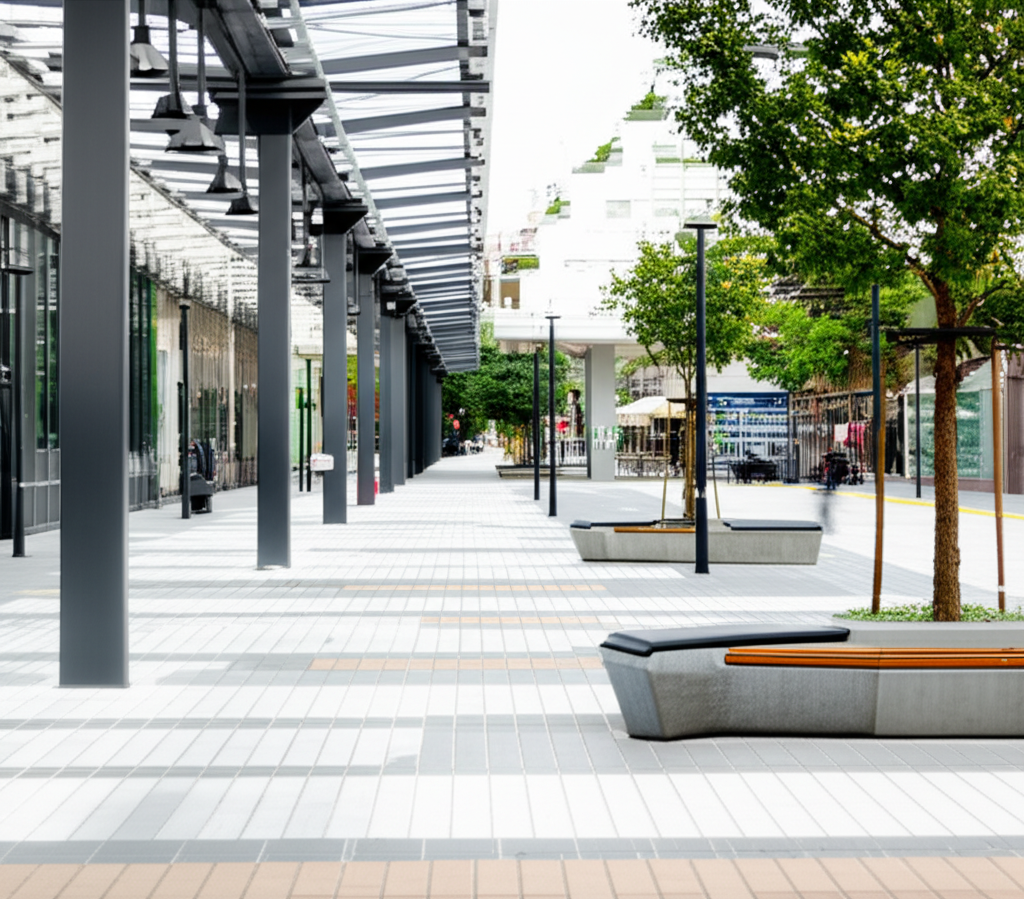
Course on Gender and Inclusive Urban Planning
- Format: Online
- Duration: 3 months
- Hours: 300 H
- Language: English / Spanish
- Registration date: 23-10-2026
- Start date: 12-12-2026
- Available places: 3
380 $
Competencies and results
What you will learn
1. Understanding Inclusive Urbanism: Gender, Design and Social Transformation
- Identify and analyze the key dimensions of inclusive urbanism.
- Understand the impact of gender on the configuration and experience of urban space.
- Evaluate how urban design can promote or hinder social inclusion.
- Explore strategies to transform cities into more equitable and accessible environments for all.
- Apply urban analysis tools to diagnose problems of exclusion.
- Design urban interventions that foster citizen participation and equality.
- Study practical cases of inclusive urbanism in different geographical and cultural contexts.
- Develop skills for interdisciplinary collaboration in urban planning projects.
- Understand legal frameworks and public policies that promote inclusion in the urban sphere.
- Promote sustainability and resilience in inclusive urban development.
2. Mastering Gender in Urban Planning: Design, Spaces and Inclusive Cities
- Understand the fundamentals of urban design with a gender perspective.
- Analyze how public space affects the experience of men and women.
- Identify gender barriers in the design of cities and urban spaces.
- Evaluate the impact of mobility and transport on gender equality.
- Explore strategies for creating more inclusive and safe cities for all.
- Apply tools and methodologies for urban design with a gender focus.
- Study case studies of cities and urban projects with a gender perspective.
- Develop urban design proposals that promote equality and inclusion.
- Promote citizen participation in urban planning with a gender perspective.
- Promote urban sustainability and resilience from a gender perspective.
3. Comprehensive user-oriented design and validation (from modeling to manufacturing)
You will learn to integrate the entire product development process, from initial model conception to final validation, applying user-centered methodologies. You will develop skills in parametric design, ergonomics, simulation, sustainable materials, 3D visualization, and manufacturing management, ensuring efficient, safe solutions that meet current industry standards.
4. Analyzing Gender and Urban Planning: Inclusive Design for Equitable Cities
4. Analyzing Gender and Urban Planning: Inclusive Design for Equitable Cities
- Identify gender inequalities in urban space and their manifestations.
- Understand how traditional urban design can perpetuate discrimination and exclusion.
- Evaluate the impact of urban planning on safety, mobility, and access to resources for different gender groups.
- Analyze case studies of cities that have implemented inclusive and equitable design strategies.
- Develop urban design solutions that promote gender equality, safety, and inclusion for all residents.
- Learn tools and methodologies for evaluating gender inclusion in urban projects.
- Explore the role of gender in public transport planning and sustainable mobility.
- Understand the importance of citizen participation and collaboration in city design equitable.
- Analyze the impact of urban planning on people’s mental health and well-being, with special attention to gender experiences.
- Design urban design proposals that respond to the specific needs of different gender groups, considering the diversity of identities and experiences.
5. Designing Just Cities: Gender, Urban Planning and Inclusive Spaces
- Understand the theoretical and practical foundations of urban planning with a gender perspective.
- Identify and analyze gender inequalities in the design and use of urban space.
- Evaluate the impact of urban policies on the lives of women, men, and people with diverse gender identities.
- Design strategies and proposals for creating more just and inclusive cities.
- Apply analytical and evaluative tools to diagnose gender-related urban problems.
- Develop skills for civic participation and collaborative work on urban projects.
- Know and apply conceptual frameworks such as intersectionality and urban feminism.
- Analyze case studies of cities and urban projects that promote gender equality.
- Propose innovative solutions to transform urban space into safer, more accessible, and more livable spaces for all.
- Effectively communicate research results and design proposals to different audiences.
people.
6. Exploring Gender and Urbanism: Design, Spaces and Inclusive Cities
- Understand key theories of gender, intersectionality, and diversity in relation to urban design and planning.
- Evaluate how social, political, and economic structures influence the creation and use of urban space, with a focus on inclusion and exclusion.
- Identify and analyze inequalities related to gender, race, class, sexual orientation, and disability in the urban context, including access to resources, services, and opportunities.
- Explore the design of public and private spaces that promote the safety, accessibility, and participation of all social groups.
- Apply participatory research methodologies and people-centered design to engage communities in the urban planning and design process.
- Analyze case studies of cities and urban projects that address inclusion and equity, identifying successful strategies and challenges.
- Develop urban design skills that respond to the specific needs of different groups, considering mobility, housing, employment, and access to services.
Evaluate the impact of urban policies and design interventions on people’s lives, using assessment tools and performance metrics.
Promote critical awareness of the role of urban planning in building identities and creating communities, fostering social justice and sustainability.
Propose innovative solutions and design strategies that drive the creation of more inclusive, equitable, and livable cities for all.
Who this program is for:
Course on Gender and Inclusive Urban Planning
- Architects and urban planners interested in integrating a gender perspective into urban design and planning.
- Professionals in fields such as sociology, anthropology, social work, and gender studies who wish to specialize in inclusive urbanism.
- Public officials and staff of non-governmental organizations (NGOs) working on issues of urban development, gender equality, and public policy.
- Researchers and academics in disciplines related to urbanism, sociology, gender, and urban studies who are seeking tools and knowledge for their research.
- Standards-driven curriculum: you will work with CS-27/CS-29, DO-160, DO-178C/DO-254, ARP4754A/ARP4761, ADS-33E-PRF from the first module.
- Accreditable laboratories (EN ISO/IEC 17025) with rotor bench, EMC/Lightning pre-compliance, HIL/SIL, vibrations/acoustics.
- Evidence-oriented TFM: safety case, test plan, compliance dossierand operational limits.
- Mentored by industry: teachers with experience in rotorcraft, tiltrotor, eVTOL/UAM and flight test.
- Flexible modality (hybrid/online), international cohorts and support from SEIUM Career Services.
- Ethics and security: safety-by-design approach, cyber-OT, DIH and compliance as pillars.
1.1 Definition and Key Concepts of Inclusive Urbanism: Fundamental Principles.
1.2 Importance of Gender in Urban Design and Planning.
1.3 Intersectionality: Gender and Other Dimensions of Exclusion (Class, Race, Disability).
1.4 Theoretical Framework: Gender Perspective in Urbanism.
1.5 Historical Evolution of Urbanism and its Relationship with Gender.
1.6 Identifying Gender Inequalities in Urban Space.
1.7 Tools for Analyzing Urban Space from a Gender Perspective.
1.8 Introduction to the Concepts of Universal Design and Accessibility.
1.9 Case Studies: Examples of Exclusionary Urbanism and Examples of Good Practices.
1.10 The Role of Different Social Actors in Promoting Inclusive Urbanism.
2.2 Foundations of Inclusive Urban Design
2.2 Gender Perspectives in the Design of Public Spaces
2.3 Gender-Sensitive Design of Urban Infrastructure
2.4 Universal Accessibility and Inclusive Design
2.5 Gender Impact Assessment in Urban Planning
2.6 Tools and Methodologies for Inclusive Design
2.7 Case Studies: Inclusive Cities and Urban Projects
2.8 Designing Safe and Livable Spaces for All
2.9 Citizen Participation and Urban Design
2.20 Towards an Equitable and Sustainable Urban Transformation
3.3 Foundations of Urban Planning with a Gender Perspective
3.2 Legal and Political Framework for Gender Inclusion in Planning
3.3 Tools and Methods for Gender Analysis in Urban Planning
3.4 Urban Design and Public Spaces: Gender Considerations
3.5 Mobility and Accessibility: Design for Gender Inclusion
3.6 Housing and Livable Environments: Gender Perspective in Design
3.7 Citizen Participation and Women’s Empowerment in Planning
3.8 Indicators and Evaluation of Gender Impact in Urban Planning
3.9 Case Studies: Cities and Urban Projects with a Gender Focus
3.30 Strategies for the Implementation and Sustainability of Urban Planning with a Gender Perspective
4.4 Foundations of Inclusive Design: Key Principles and Concepts
4.2 Gender and Public Space: Analyzing Gender Dimensions
4.3 Gender-Responsive Urban Design: Tools and Methodologies
4.4 Universal Accessibility: Design for All People
4.5 Safety and Urban Design: Creating Safe Environments
4.6 Mobility and Gender: Planning Inclusive Transportation Systems
4.7 Citizen Participation: Strategies for Inclusion in Urban Design
4.8 Case Studies: Examples of Successful Inclusive Design
4.9 Gender Impact Assessment: Metrics and Tools
4.40 The Future of Inclusive Design: Trends and Challenges
5.5 Principles of Inclusive Urbanism: Definitions and Scope
5.5 Gender and Urban Design: Introduction and Key Concepts
5.3 The Social Dimension of Urbanism: Impact on Daily Life
5.4 Gender-Sensitive Urban Design: Methodologies and Tools
5.5 Case Studies: Examples of Successful Inclusive Urbanism
5.6 Challenges and Opportunities in Current Inclusive Urbanism
5.5 Gender as a Variable in Urban Design
5.5 Public and Private Spaces: A Gender Perspective
5.3 Design of Streets and Open Spaces: Safety and Accessibility
5.4 Design of Housing and Buildings: Diverse Needs
5.5 Mobility and Transportation: Gender and Urban Movement
5.6 The Role of Citizen Participation in Urban Design
3.5 Foundations Urban Planning with a Gender Perspective
3.5 Tools for Inclusive Planning: Diagnosis and Evaluation
3.3 Urban Design and Universal Access: Principles and Practices
3.4 Gender in Housing and Services Planning
3.5 Impact of Planning on the Lives of Women and Other Groups
3.6 Integrating a Gender Perspective into Urban Policies
4.5 Key Concepts in Urban Equity
4.5 Gender Indicators in Urban Design
4.3 Design of Safe and Accessible Public Spaces
4.4 Urban Mobility: Gender and Transportation
4.5 Case Studies: Cities with a Focus on Equity
4.6 Strategies for Building Equitable Cities
5.5 Principles of Inclusive Design
5.5 Public Spaces: Design and Universal Accessibility
5.3 Design of Parks and Green Spaces: A Gender Perspective
5.4 Design of Public Buildings: Diverse Needs
5.5 The Role of Design in Creating Safe Spaces
5.6 Evaluation and Continuous Improvement of Inclusive Design
6.5 Introduction to the Gender Dimension in the City
6.5 Design of Public Spaces: Safety and Coexistence
6.3 Urban Mobility: Gender and Transportation
6.4 Housing and Environment: Design and Needs
6.5 The City as a Stage for Gender Inequalities
6.6 Strategies for Urban Transformation
7.5 Data Analysis with a Gender Perspective in Urban Planning
7.5 Urban Design: Safe and Accessible Spaces
7.3 The Impact of Gender on the Use of Public Space
7.4 Case Study Analysis: Examples of Urban Design
7.5 Design of Spaces Inclusive: Tools and Methodologies
7.6 Implementation of Social Inclusion Strategies
8.5 Fundamental Concepts: Gender and Urban Design
8.5 Design of Public Spaces: Strategies for Inclusion
8.3 Mobility and Accessibility: Design for All
8.4 Housing and Services: Design with a Gender Perspective
8.5 The Role of Citizen Participation in Transformation
8.6 Design of Resilient and Inclusive Cities
6.6 Conceptual Framework: Gender and Urban Planning, Key Definitions
6.2 Gender-Responsive Urban Design: Principles and Strategies
6.3 Inclusive Public Spaces: Design and Analysis
6.4 Mobility and Gender: Access and Safety in Transportation
6.5 Housing and Gender: Design of Homes and Communities
6.6 Urban Security: Design and Prevention of Gender-Based Violence
6.7 Citizen Participation: Involving Women in Urban Design
6.8 Case Studies: Inclusive Cities and Best Practices
6.9 Gender Indicators in Urban Planning: Evaluation and Monitoring
6.60 Challenges and Opportunities: The Future of Inclusive Urban Planning
- Hands-on methodology: test-before-you-trust, design reviews, failure analysis, compliance evidence.
- Software (depending on licenses/partners): MATLAB/Simulink, Python (NumPy/SciPy), OpenVSP, SU2/OpenFOAM, Nastran/Abaqus, AMESim/Modelica, acoustics tools, planning toolchains DO-178C.
- SEIUM Laboratories: scale rotor bench, vibrations/acoustics, EMC/Lightning pre-compliance, HIL/SIL for AFCS, data acquisition with strain gauging.
- Standards and compliance: EN 9100, 17025, ISO 27001, GDPR.
Capstone-type projects
- Inclusive Urban Design: Analysis of gender gaps in public spaces; data-driven design proposals; implementation of citizen participation strategies.
- Gender-Responsive Urban Planning: Evaluation of existing urban policies; development of gender-sensitive planning models; proposals for creating more equitable cities.
- Safe and Inclusive Cities: Evaluation of safety in urban spaces; proposals to improve accessibility and safety for women and marginalized groups; design of urban environments that promote social inclusion.
- Inclusive Urban Planning: Analysis of gender gaps in urban spaces.
- Gender-Sensitive Urban Design: Proposals for safe and accessible environments.
- Equitable Cities: Strategies for community participation and inclusion.
- Design Tools: Creation of guides and prototypes for urban transformation.
- Inclusive Urban Design: Gender analysis and its impact on the planning and design of urban spaces, considering accessibility and safety.
- Equitable Cities: Evaluation of strategies to promote gender inclusion in urban development, with a focus on policy and design.
- Urban Transformation: Proposals to redesign urban spaces, promoting equality and social justice, with a gender perspective.
- Inclusive Urbanism: Analysis of urban spaces, gender equity, and accessible design.
- Just Cities: Evaluation of urban policies, participatory design, and social transformation.
- Urban Design: Implementation of strategies for creating safe and accessible spaces.
Admissions, fees, and scholarships
- Profile: Background in Computer Engineering, Mathematics, Statistics, or related fields; practical experience in NLP and valued information retrieval systems.
- Documentation: Updated CV, academic transcript, SOP/statement of purpose, project examples or code (optional).
- Process: Application → Technical evaluation of profile and experience → Technical interview → Review of case studies → Final decision → Enrollment.
- Fees:
- Single payment: 10% discount.
- Payment in 3 installments: No fees; 30% upon registration + 2 equal monthly payments of the remaining 35%.
Monthly payment: available with a 7% commission on the total; annual review.
Scholarships: based on academic merit, financial need, and promoting inclusion; agreements with companies in the sector for partial or full scholarships.
See “Calendar & Calls for Applications,” “Scholarships & Grants,” and “Fees & Financing” in the SEIUM mega-menu.
Do you have any questions?
Our team is ready to help you. Contact us, and we will respond as soon as possible.
F. A. Q
Frequently asked questions
Yes, we have international certification
Yes: experimental models, real data, applied simulations, professional environments, real case studies.
It is not mandatory. We offer leveling tracks and tutoring.
Completely. It covers e-propulsion, integration, and emerging regulations (SC-VTOL).
Recommended. There are also internal challenges and consortiums.
Yes. Online/hybrid modality with planned labs and visa support (see “Visa & Residence”).