

Classic motorcycle racing course
About our
The Classic Motorcycle Racing Course immerses participants in the world of vintage motorcycles and the excitement of racing. It focuses on the preparation, maintenance, and tuning of these historic machines, including mechanical techniques, restoration, and performance optimization for competition. It addresses key aspects such as safety, regulations, and race strategy.
The course offers hands-on experience with classic engines, access to specialized tools, and the opportunity to participate in competitive events. Participants develop valuable skills for mechanics, restorers, and classic motorcycle enthusiasts, allowing them to enjoy the passion for speed and the history of motorcycling.
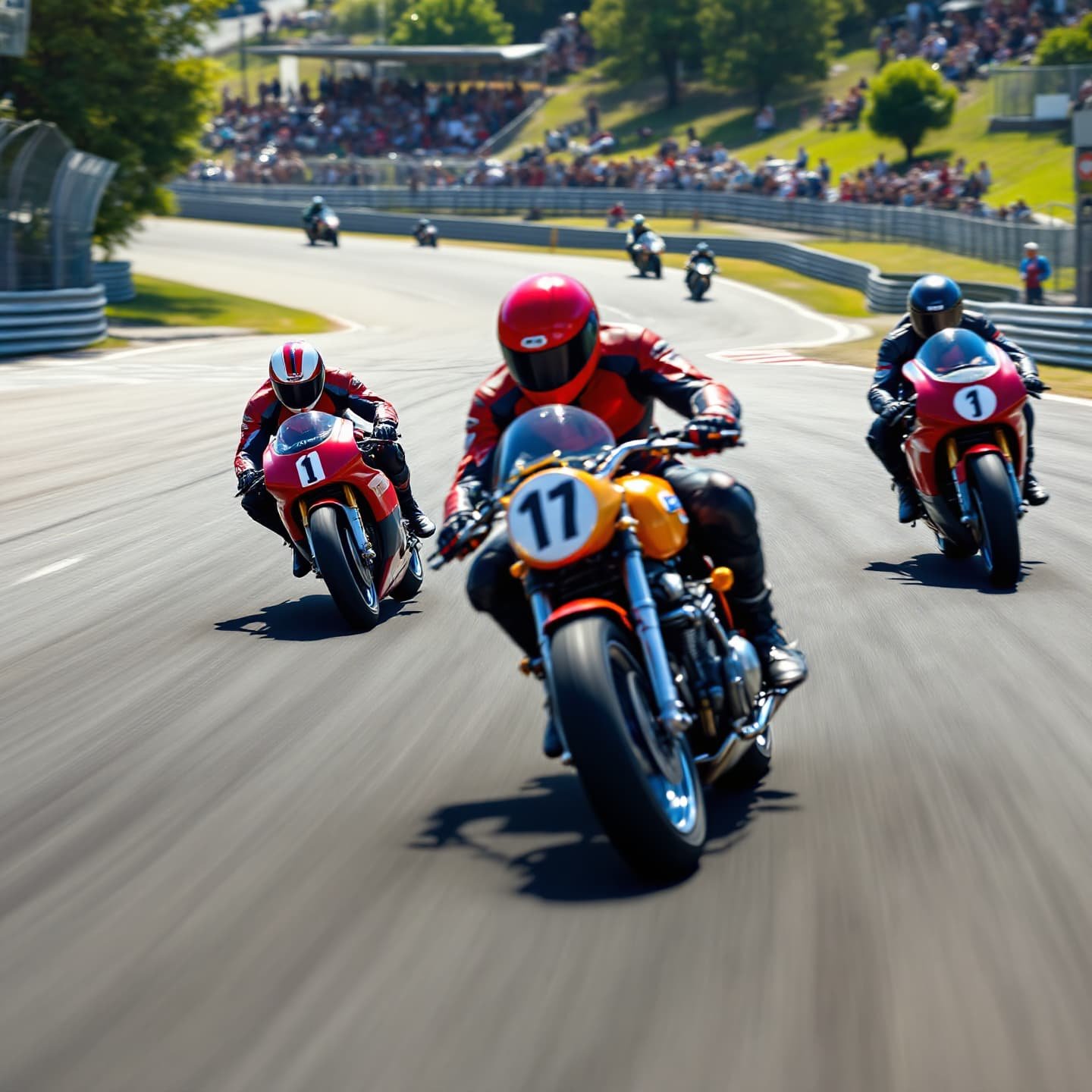
Classic motorcycle racing course
- Format: Hybrid
- Duration: 3 months
- Hours: 300 H
- Language: English / Spanish
- Registration date: 23-10-2026
- Start date: 12-12-2026
- Available places: 3
399 $
Competencies and results
What you will learn
1. Mastery of Mechanics and Preparation for Competition in Classic Motorcycles
- Identifying and Diagnosing Mechanical Faults in Classic Motorcycles: You will learn to recognize and diagnose faults in key systems such as the engine, transmission, brakes, and suspension, using specialized tools and techniques.
- Restoring and Rebuilding Classic Engines: You will acquire practical skills in disassembling, cleaning, inspecting, repairing, and assembling classic engines, including carburetion, ignition, and lubrication systems.
- Tuning and Timing: You will master the techniques for tuning and timing engines, optimizing performance and efficiency, including carburetor calibration, ignition timing, and valve timing.
- Optimizing Performance for Competition: You will explore methods for improving the performance of classic motorcycles, including modifications to the engine, exhaust systems, suspension, and brakes, with a focus on adapting for competition.
- Selecting and Preparing Components: You will learn to select and prepare specific components for
- Competition, such as tires, suspensions, braking systems, and other key elements to improve performance and safety.
- Riding Techniques and Race Strategies: Introduction to riding techniques on classic motorcycles, including acceleration control, braking, cornering, and race management.
- Competition and Safety Regulations: You will learn the competition regulations and safety rules applicable to classic motorcycle racing, ensuring safe and compliant participation.
- Preventive Maintenance and Trackside Repairs: You will learn how to perform essential preventive maintenance and quick repairs in the competition environment.
- Design and Customization Fundamentals: Introduction to motorcycle design principles, including ergonomics, aesthetics, and customization, with an emphasis on adapting classic motorcycles to the specific needs of the rider and the competition.
2. Specialization in Competition Techniques and Restoration of Classic Motorcycles
Here is the content you will learn, tailored to your specifications:
- Identify and diagnose the key components of classic motorcycles: engine, transmission, chassis, suspension, and electrical system.
- Master the techniques for disassembling, cleaning, inspecting, and assessing the condition of each motorcycle component.
- Learn to restore classic engines, including cylinder boring, valve adjustment, crankshaft balancing, and component assembly.
- Restore and repair transmission systems, including gearboxes, clutches, and chain or belt drive systems.
- Rebuild and modify classic motorcycle chassis, including welding, painting, and finishing.
- Restore and adjust classic suspension systems, including forks, shock absorbers, and swingarm systems.
- Repair and restore electrical systems, including wiring, lighting, ignition, and charging systems.
- Master classic motorcycle racing techniques, including engine preparation, suspension tuning, and performance optimization.
- Understand and apply classic motorcycle racing regulations and rules.
- Learn to identify and troubleshoot common problems in classic motorcycles, including mechanical, electrical, and performance issues.
3. Comprehensive user-oriented design and validation (from modeling to manufacturing)
You will learn to integrate the entire product development process, from initial model conception to final validation, applying user-centered methodologies. You will develop skills in parametric design, ergonomics, simulation, sustainable materials, 3D visualization, and manufacturing management, ensuring efficient, safe solutions that meet current industry standards.
4. Optimization and Performance of Classic Motorcycles for Racing
4. Optimization and Performance of Classic Motorcycles for Racing
- Dissection of suspension and steering systems, identifying critical points for improved handling and stability.
- Comprehensive engine analysis: optimization of combustion, intake and exhaust flows to maximize power and torque.
- Aerodynamics study: reduction of drag and increase of downforce to improve speed and cornering grip.
- Tire selection and modification: choice of optimal compounds and profiles for different track conditions and riding styles.
- Braking system improvement: optimization of braking components and techniques to achieve greater power and control.
- Transmission analysis: optimization of gear ratios and selection of components to maximize acceleration and top speed.
- Ergonomics evaluation and adjustment: adaptation of the riding position to improve comfort and control.
- Rider control and efficiency.
- Engine and electronics management: Programming and calibration of engine control systems for maximum performance and reliability.
- Race preparation: Setup techniques, race strategy, and performance management for successful results.
- Maintenance and troubleshooting: Diagnosing and repairing faults, as well as preventing common problems in classic motorcycles.
5. Master's Degree in Preparation and Tuning for Classic Motorcycle Competition
- Develop advanced skills in preparing classic motorcycles for competition.
- Understand and master the mechanics of classic engines, including carburetion, ignition, and cooling systems.
- Learn tuning and adjustment techniques to optimize engine performance under different racing conditions.
- Study the dynamics of classic motorcycles, including suspension, brakes, and steering geometry.
- Acquire knowledge of tire management and its influence on performance.
- Analyze telemetry data to improve motorcycle and rider performance.
- Master techniques for restoring and maintaining classic components.
- Become familiar with the regulations and rules of classic motorcycle competitions.
- Design and implement effective race strategies.
- Develop team management skills and communication.
6. Restoration and Fine-Tuning Techniques for Classic Motorcycle Competition
## 6. Restoration and Fine-Tuning Techniques for Classic Motorcycle Competition: What You Will Learn
Below is a detailed overview of what you will learn in this course:
- Diagnosis and Preliminary Assessment: You will learn to perform a thorough inspection of a classic motorcycle, identifying common problems, wear, and structural damage.
- Disassembly and Documentation: You will master the meticulous disassembly process, documenting each step with photographs and detailed notes to ensure accurate reassembly.
- Cleaning and Preparation of Components: You will learn professional techniques for cleaning and preparing components, including the use of appropriate methods for different materials (metals, plastics, rubber, etc.).
- Engine Restoration:
- Cylinder and Valve Seat Reconditioning.
- Rebuilding of carburetors and fuel systems.
Ignition adjustment and calibration.
Selection and assembly of internal components (pistons, connecting rods, crankshaft) to optimize performance.
Transmission Restoration:
Gearbox overhaul and repair.
Clutch rebuilding.
Final drive adjustment (chain, belt, or driveshaft).
Chassis Restoration:
Fork and shock absorber rebuilding.
Brake overhaul and repair (master cylinders, calipers, discs, drums).
Rim and spoke restoration.
Chassis repair and adjustment.
swingarm.
- Repair of dents, rust, and body damage.
- Welding techniques for sheet metal.
- Surface preparation and paint application (painting techniques, paint types, and finishes).
- Repair and rebuilding of electrical systems (wiring, lights, switches).
- Diagnosis and repair of electronic ignition systems.
- Engine optimization for maximum performance (power and reliability).
- Tuning Suspension setup for different types of circuits.
Tire selection and appropriate pressures.
Carburetor tuning to optimize engine response.
Dynamic testing to evaluate performance.
Tools and Equipment:
Use and handling of specialized tools for the restoration of classic motorcycles.
Knowledge of measuring and diagnostic equipment (multimeters, compression testers, etc.).
Safety and Regulations: Knowledge of safety regulations and current legislation applicable to the restoration and tuning of classic motorcycles.
Who this program is for:
Classic motorcycle racing course
- Classic motorcycle enthusiasts interested in competition.
- Experienced motorcycle mechanics seeking specialization in classic motorcycles.
- Classic motorcycle riders wishing to improve their skills and technical knowledge.
- Classic motorcycle owners who want to better understand the operation and maintenance of their vehicles for competition.
- Standards-driven curriculum: you will work with CS-27/CS-29, DO-160, DO-178C/DO-254, ARP4754A/ARP4761, ADS-33E-PRF from the first module.
- Accreditable laboratories (EN ISO/IEC 17025) with rotor bench, EMC/Lightning pre-compliance, HIL/SIL, vibrations/acoustics.
- Evidence-oriented TFM: safety case, test plan, compliance dossierand operational limits.
- Mentored by industry: teachers with experience in rotorcraft, tiltrotor, eVTOL/UAM and flight test.
- Flexible modality (hybrid/online), international cohorts and support from SEIUM Career Services.
- Ethics and security: safety-by-design approach, cyber-OT, DIH and compliance as pillars.
1.1 Identifying and Diagnosing Mechanical Problems in Classic Motorcycles
1.2 Engine Fundamentals: Disassembly, Assembly, and Key Components
1.3 Fuel Systems: Carburetion and Tuning
1.4 Ignition Systems: Timing Points, Coils, and Advance
1.5 Clutches and Transmissions: Types, Maintenance, and Repair
1.6 Brakes: Types, Maintenance, and Performance Improvement
1.7 Suspensions: Adjustments, Repair, and Customization
1.8 Chassis and Frame: Welding, Alignment, and Reinforcement
1.9 Tires and Rims: Selection, Mounting, and Balancing
1.10 Tools and Techniques: Proper Use and Workshop Safety
2.2 Disassembly and Detailed Evaluation of Classic Motorcycles
2.2 Restoration Techniques: Chassis, Bodywork, and Components
2.3 Engine Restoration: Disassembly, Inspection, and Rebuilding
2.4 Suspension and Braking Systems: Restoration and Improvement
2.5 Electrical System: Diagnosis, Repair, and Upgrading
2.6 Engine Preparation for Competition: Modifications and Adjustments
2.7 Competition Tuning: Carburetion and Ignition
2.8 Tires, Rims, and Wheels: Selection and Optimization
2.9 Selection of Parts and Components for Optimal Performance
2.20 Track Testing and Final Adjustments for Competition
3.3 Circuit Analysis and Dynamics of Classic Motorcycles
3.2 Tire and Suspension Selection for Competition
3.3 Chassis Geometry and Tuning for Optimization
3.4 Braking and Track Control Techniques
3.5 Riding Strategies and Cornering Techniques
3.6 Data Analysis and Telemetry in Competition
3.7 Team Management and Race Logistics
3.8 Rules and Regulations for Classic Competitions
3.9 Pit Stop Communication and Strategy
3.30 Case Studies: Race Analysis and Successful Strategies
4.4 Fundamentals of Mechanical Optimization in Classic Motorcycles
4.2 Design and Analysis of Components for Competition
4.3 Selection and Preparation of Classic Engines
4.4 Intake and Exhaust Systems: Optimization for Performance
4.5 Carburetion and Ignition Tuning: Advanced Strategies
4.6 Suspension and Chassis: Setup for Competition
4.7 Brakes and Tires: Selection and Optimal Configuration
4.8 Telemetry and Data Acquisition in Competition
4.9 Race Strategies and Real-Time Data Analysis
4.40 Maintenance and Reliability: Key to Competitive Success
5.5 Introduction to classic motorcycle mechanics: types, components, and operation.
5.5 Essential tools and equipment for the classic motorcycle workshop.
5.3 Basic disassembly and assembly of classic engines: procedures and techniques.
5.4 Ignition systems in classic motorcycles: diagnosis and repair.
5.5 Carburetion: adjustment and tuning for performance and reliability.
5.6 Lubrication and cooling systems in classic engines.
5.7 Transmission and clutch: maintenance and adjustments.
5.8 Suspension and brakes: maintenance and upgrades.
5.9 Basic preparation for competition: safe and legal modifications.
5.50 Workshop safety and tool handling.
5.5 Restoration techniques: disassembly, cleaning, and component evaluation.
5.5 Identifying and acquiring original and replacement parts.
5.3 Bodywork restoration: painting, chrome plating, and finishing. 5.4 Engine Restoration: Grinding, Polishing, and Assembly
5.5 Engine Tuning for Competition: Performance Upgrades
5.6 Electrical Systems: Repair and Modernization
5.7 Design and Manufacturing of Custom Parts
5.8 Testing and Fine-Tuning on a Test Bench
5.9 Regulations and Homologation for Classic Racing Motorcycles
5.50 Budgeting and Management of Restoration Projects
3.5 Analysis of Competition Regulations and Categories
3.5 Race Strategies: Planning and Tactics
3.3 Telemetry and Race Data Analysis
3.4 Tire Selection and Preparation
3.5 Suspensions: Adjustments for Different Types of Circuits
3.6 Engine Tuning for Different Race Conditions
3.7 Motorcycle Stability and Traction Control
3.8 Communication and Teamwork in the Paddock 3.9 Physical and mental preparation of the driver.
3.50 Racing simulation and performance analysis.
4.5 Airflow and intake and exhaust design.
4.5 Carburetor and fuel injection optimization.
4.3 Exhaust systems: design and performance.
4.4 Gear ratio selection and optimization.
4.5 Component weight reduction.
4.6 Braking systems: performance and safety improvements.
4.7 Suspension: fine-tuning and optimization.
4.8 Performance analysis on a test bench.
4.9 Thermal management of the engine and its components.
4.50 Design and development of racing parts.
5.5 Carburetor tuning: different types and advanced techniques.
5.5 Ignition timing: mapping and optimization.
5.3 Cylinder head preparation: flow and compression. 5.4 Camshafts: Selection and Adjustment
5.5 Exhaust Systems: Design and Tuning
5.6 Suspensions: Circuit-Specific Adjustments
5.7 Brakes: Upgrades and Optimization
5.8 Advanced Telemetry: Data and Performance Analysis
5.9 Data-Driven Race Strategy Development
5.50 Working with Professional Teams and Drivers
6.5 Chassis and Body Restoration for Competition
6.5 Selection and Acquisition of Original and High-Performance Parts
6.3 Engine Fine-Tuning: Compression, Flow, and Mapping
6.4 Cooling Systems: Performance Improvement
6.5 Braking Systems: Optimization and Materials
6.6 Suspensions: Adjustments for Different Circuit Types
6.7 Tires: Selection and Management
6.8 Final Testing on the Test Bench
6.9 Evaluation and Optimization of Race Performance
6.50 Regulations and safety in classic motorcycle racing.
7.5 Analysis of telemetry data and engine performance.
7.5 Component evaluation: wear and performance.
7.3 Airflow analysis and optimization.
7.4 Suspension and brake analysis.
7.5 Gear ratio optimization.
7.6 Race simulation and performance prediction.
7.7 Identifying weaknesses and areas for improvement.
7.8 Design and development of customized solutions.
7.9 Competitor analysis and improvement strategies.
7.50 Implementation and monitoring of improvements.
8.5 Competition regulations: interpretation and application.
8.5 Race strategies: overtaking, racing lines, and race management.
8.3 Competitor analysis: weaknesses and strengths.
8.4 Communication with the team and the rider. 8.5 Teamwork: pit stop and assistance strategies.
8.6 Managing pressure and stress in competition.
8.7 Physical and mental preparation for competition.
8.8 Post-race analysis and continuous learning.
8.9 Ethics and sportsmanship in competition.
8.50 Planning and execution of a competition program.
6.6 Selection and Disassembly of Components for Competitive Restoration
6.2 Restoration Techniques: Chassis, Bodywork, and Structural Components
6.3 Engine Tuning: Cylinders, Crankshaft, and Fuel Systems
6.4 Brake System: Selection, Restoration, and Upgrade for Competition
6.5 Suspension: Tuning and Adaptation for Optimal Track Performance
6.6 Electrical System: Restoration and Optimization for Competition
6.7 Transmission: Analysis and Tuning for Different Types of Competition
6.8 Carburetion and Ignition: Fine-Tuning for Maximum Performance
6.9 Test Bench Testing and Final Adjustments
6.60 Maintenance and Tuning Strategies for Racing
- Hands-on methodology: test-before-you-trust, design reviews, failure analysis, compliance evidence.
- Software (depending on licenses/partners): MATLAB/Simulink, Python (NumPy/SciPy), OpenVSP, SU2/OpenFOAM, Nastran/Abaqus, AMESim/Modelica, acoustics tools, planning toolchains DO-178C.
- SEIUM Laboratories: scale rotor bench, vibrations/acoustics, EMC/Lightning pre-compliance, HIL/SIL for AFCS, data acquisition with strain gauging.
- Standards and compliance: EN 9100, 17025, ISO 27001, GDPR.
Capstone-type projects
“`html
- Complete Restoration: Disassembly, evaluation, repair, and rebuilding of key components.
- Advanced Tuning: Engine, suspension, brake, and transmission tuning for competition.
- Performance Analysis: Evaluation of telemetry data and setup optimization.
- Race Strategies: Design and execution of tactics to maximize performance in competition.
“`
- Engine and Chassis: Analysis and fine-tuning of components to maximize performance and reliability.
- Dynamics and Handling: Optimization of suspension, brakes, and geometry for racing.
- Restoration and Tuning: Advanced techniques for preparing classic motorcycles for competition.
- Racing Strategies: Data analysis and development of race strategies.
- Testing and Validation: Track testing and final adjustments to optimize performance.
- Engine Preparation: Fine-tuning; carburetor optimization; performance analysis.
- Chassis and Suspension: Competition setup; geometry and balance; telemetry.
- Race Strategies: Track analysis; tire selection; race simulation.
- Advanced Restoration: Methodology; critical components; tuning techniques.
- Engine & Chassis Tuning: Dyno, carburetion, suspensions, geometry.
- Restoration & Performance: Engines, brakes, components, weight reduction, materials.
Competition Strategies: Telemetry, race setup, simulation, data analysis.
Performance Optimization: Airflow, ignition maps, compression ratio.
Competition Fine Tuning: Race preparation, setup, track testing.
Competition Restoration: Engines, components, precise settings.
Performance Analysis: Telemetry, simulations, race data analysis.
Race Strategies: Driving, setup, pit strategies, tire management.
Admissions, fees, and scholarships
- Profile: Background in Computer Engineering, Mathematics, Statistics, or related fields; practical experience in NLP and valued information retrieval systems.
- Documentation: Updated CV, academic transcript, SOP/statement of purpose, project examples or code (optional).
- Process: Application → Technical evaluation of profile and experience → Technical interview → Review of case studies → Final decision → Enrollment.
- Fees:
- Single payment: 10% discount.
- Payment in 3 installments: No fees; 30% upon registration + 2 equal monthly payments of the remaining 35%.
Monthly payment: available with a 7% commission on the total; annual review.
Scholarships: based on academic merit, financial need, and promoting inclusion; agreements with companies in the sector for partial or full scholarships.
See “Calendar & Calls for Applications,” “Scholarships & Grants,” and “Fees & Financing” in the SEIUM mega-menu.
Do you have any questions?
Our team is ready to help you. Contact us, and we will respond as soon as possible.
F. A. Q
Frequently asked questions
Yes, we have international certification
Yes: experimental models, real data, applied simulations, professional environments, real case studies.
It is not mandatory. We offer leveling tracks and tutoring.
Completely. It covers e-propulsion, integration, and emerging regulations (SC-VTOL).
Recommended. There are also internal challenges and consortiums.
Yes. Online/hybrid modality with planned labs and visa support (see “Visa & Residence”).