
Master’s in Karting & Entry-Level Formula Racing
About our Master’s in Karting & Entry-Level Formula Racing
The Master’s in Karting & Base Formulas
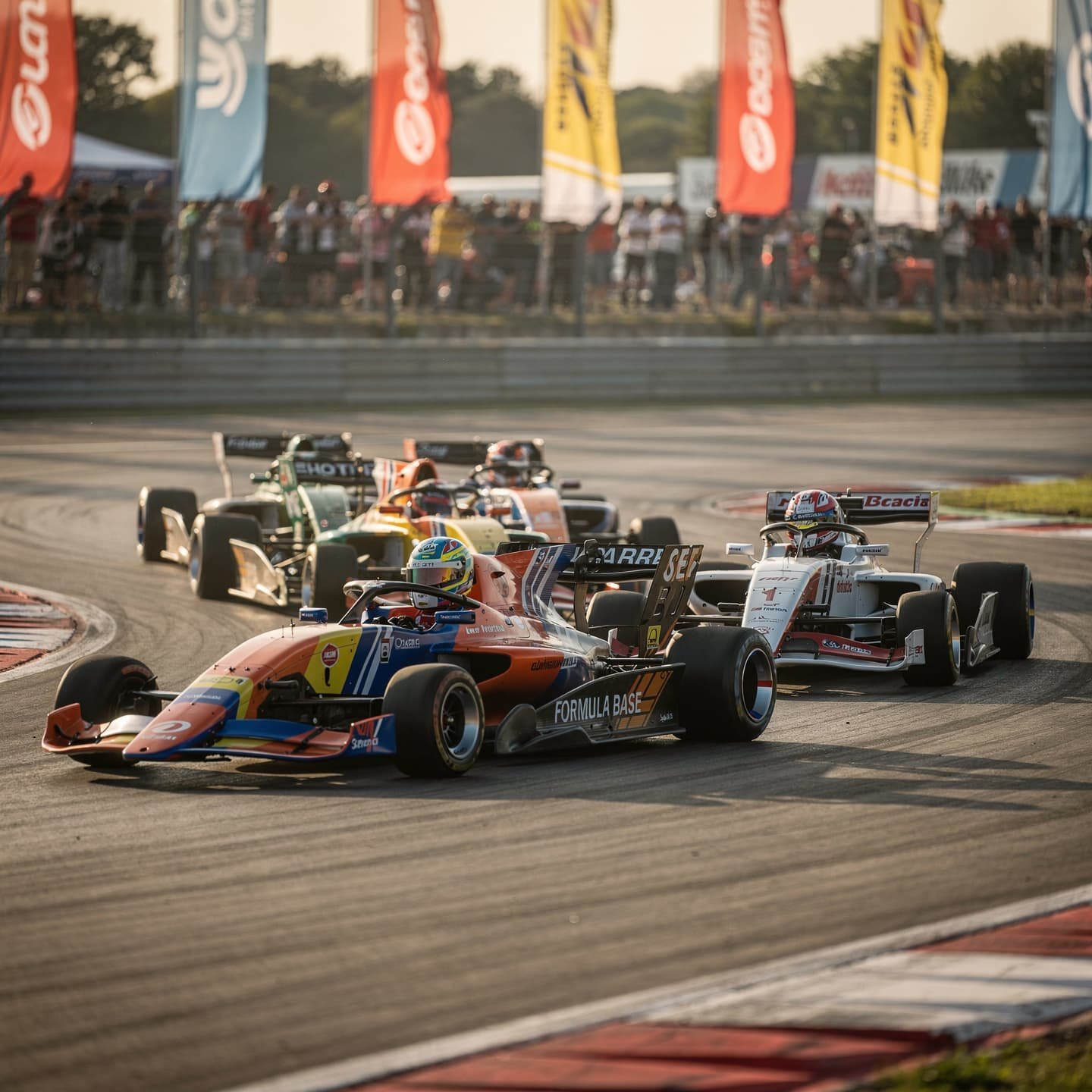
is an advanced program designed to train karting engineers and base formula engineers capable of working with drivers and teams in the initial stages of the motorsport pyramid. Throughout the master’s program, you will delve into competitive karting engineering, the design of setups for kart chassis, tire management, basic and advanced telemetry reading, as well as entry-level single-seater engineering (Base Formulas: F4, school formulas, academy single-seaters). This Master’s in Karting & Base Formulas combines pure technique with working methodologies with young drivers, academies, and training structures, so that you can accompany the development of talent from karting to base formulas with an integral vision of karting and base formula engineering.
Master’s in Karting & Entry-Level Formula Racing
- Format:
- Duration:
- Time: 1900 H
- Practices: Consult
- Language:
- Credits:
- Registration date: 08-10-2026
- Start date: 02-12-2026
- Available places: 2
5,500 $
Skills and results
What you will learn
You will fully understand in the Master’s in Karting & Base Formulas the competitive karting ecosystem and the base formulas: championships, categories, the sporting ladder, and the role of teams and academies. You will understand why high-level karting is the real school for future drivers and why karting and base formula engineering is key to building solid foundations in technique, methodology, and work mentality. You will learn to place a driver and a project within the motorsport pyramid, guiding technical and sporting decisions from a global perspective.
You will master the fundamentals of vehicle dynamics applied to karting, interpreting how suspensionless chassis work, how mechanical grip is generated in a racing kart, and how weight distribution, track width, caster, camber, and tire pressure influence the kart’s response. The Master’s in Karting & Base Formulas will teach you to translate driver feedback into specific setup changes: widths, axles, rims, pressure, seat, steering column, all aimed at improving lap time and consistency in long stints, both in base karting and in high-level karting.
You will delve into the engineering of kart engines and the basic concepts of base formula engines. You will study 2-stroke and 4-stroke engines used in competitive karting, their torque and power curves, carburetion or injection, temperature management, and maintenance. Additionally, you will be introduced to the typical atmospheric engines of base formulas (such as F4), understanding how power delivery, gear ratios, and the aerodynamics of the single-seater are related. The Master’s in Karting & Base Formulas will allow you to understand the mechanical side that supports the driver’s performance.
You will learn to work with kart chassis and base single-seater chassis from a structural and geometrical point of view. In karting, you will see how chassis flexibility replaces suspension and how small geometry changes completely alter cornering behavior. In base formulas, you will analyze suspensions, alignments, ride heights, anti-roll bars, and brake bias. This combined approach of the Master’s in Karting & Base Formulas will give you a very solid foundation in chassis engineering to accompany the jump from kart to single-seater.
You will specialize in tires and brakes in karting and base formulas. You will learn to manage pressures, temperature windows, usage cycles, peak grip, and performance drop-off, as well as the relationship between driving style and wear. In karting, you will see how poor tire management ruins a weekend; in base formulas, you will understand the importance of brake management, pedal modulation, and coordination with the brake map. The Master’s in Karting & Base Formulas will allow you to build realistic work plans so that the driver learns to take care of tires and brakes without losing speed.
You will develop advanced competencies in telemetry, data acquisition, and video analysis adapted to karting and base formulas. You will work with typical karting logging systems (speed, RPM, temperature, GPS, sector times) and with more comprehensive solutions for base formulas (brake, throttle, gear, acceleration channels). The Master’s in Karting & Base Formulas will teach you to combine data with onboard video, to detect line errors, areas for braking improvement, poor throttle management, and confidence issues, turning data engineering into a very powerful technical coaching tool.
Who this program is for:
Master’s in Karting & Entry-Level Formula Racing
The Master’s in Karting & Base Formulas is aimed at engineers, technicians, and advanced students of mechanical engineering, automotive, industrial, or electronics who wish to specialize in karting and base formula engineering. It is also designed for karting mechanics, managers of base teams, technical coaches, chassis preparers, technicians at driver academies, and simracing professionals oriented toward karting and junior formulas. It is an ideal program for those who wish to work in driver development from karting to the first single-seaters, providing a professional and modern technical vision. Basic prior knowledge of vehicle dynamics, experience in automotive or competition, fluent use of computer tools, and some familiarity with technical English, common in karting and base formula documentation, are recommended.
SEIUM offers with the Master’s in Karting & Base Formulas a highly specialized training program in the real base of motorsport, where the future performance of drivers is built. While other programs focus on higher categories, this master’s places the focus on karting and base formula engineering, where every technical decision has a direct impact on the learning and evolution of the driver. The master’s is designed to work with the reality of karting teams, academies, and training structures: short sessions, intense weekends, limited feedback from young drivers, and the need to make fast, clear, and pedagogical technical decisions. SEIUM structures the program in an online format, with flexibility for working professionals, materials that can be immediately applied on track, and projects based on real cases from competitive karting and base formulas. The goal is that the student not only “understands” karting and base formula engineering, but is also able to work as a karting & base formula engineer in a real environment.
1.1 History of competitive karting and its role in motorsport
1.2 Evolution of base formulas: F4, school formulas, and regional series
1.3 Main karting championships: national, international, and one-make series
1.4 Base formula championships and their relationship with higher categories
1.5 Typical structure of a competitive karting team
1.6 Typical structure of a base formula academy
1.7 Essential sporting and technical regulations in karting
1.8 Basic regulations in base formulas and their philosophy
1.9 Role of the karting & base formula engineer in driver development
1.10 Future trends in driver training and grassroots projects
3.1 Principles of vehicle dynamics applied to kart chassis
3.2 How mechanical grip is generated in a kart without suspension
3.3 Influence of track width, caster, castor, and camber in karting
3.4 Load transfer during braking, cornering, and traction in karts
3.5 Key differences between kart dynamics and single-seater dynamics
3.6 Introduction to base formula dynamics: ride heights, anti-roll bars, and alignments
3.7 Interaction between driving style and kart behavior
3.8 Simple calculation and observation tools on track
3.9 Chassis testing methodology in karting and base formulas
3.10 Building baseline setups by circuit type and conditions
3.1 Kart engines: 2T, 4T, cadet, junior, senior, and KZ categories
3.2 Typical torque and power curves in competitive kart engines
3.3 Carburetion, injection, and temperature management in karting
3.4 Basic and advanced maintenance of kart engines
3.5 Introduction to base formula engines: architecture and philosophy
3.6 Gear ratios, development, and power management in base single-seaters
3.7 Adaptation of engine and transmission to different tracks and conditions
3.8 Reading basic engine data in karting and junior formulas
3.9 Reliability strategies and mechanical risk management
3.10 Recording of engine configurations and gear ratios by circuit
4.1 Kart chassis: tubes, rigidity, and overall behavior
4.2 Chassis adjustments: axles, rims, seat, steering column, and bodywork
4.3 Kart driver ergonomics: position, controls, and fatigue
4.4 Suspension geometries in base formulas: front and rear
4.5 Alignments in single-seaters: camber, toe, and caster
4.6 Steering adjustments and steering feel
4.7 Interaction between chassis, tires, and driving style
4.8 Chassis and monocoque verification procedures
4.9 Damage control and structural maintenance in karting and junior formulas
4.10 Documentation of chassis setups and ergonomics by driver
5.1 Types of karting tires: slick, rain, and specific compounds
5.2 Temperature and pressure windows in short karting stints
5.3 Tire warming strategies on the grid and in the first laps
5.4 Tires in base formulas: behavior, wear, and management
5.5 Brake systems in karting: mechanical and hydraulic
5.6 Brake systems in base formulas: discs, calipers, bias adjusters
5.7 Brake bias adjustment and its impact on driver confidence
5.8 Recording of wear, pressures, and brake feel
5.9 Planning of tire usage over a race weekend
5.10 Quick inspection protocols for brakes and tires on track
6.1 Typical karting data acquisition systems
6.2 Key variables in karting: speed, RPM, GPS, sector times
6.3 Data systems in base formulas: brake, throttle, gear, accelerations
6.4 Video analysis methodology with onboard footage in karting and single-seaters
6.5 Lap comparison between drivers and between setups
6.6 Use of simulators as a support tool in driver training
6.7 Creation of simple reports for young drivers and families
6.8 Analysis of common errors and building improvement plans
6.9 Management and archiving of test, race, and season data
6.10 Basic automation of graphs, summaries, and technical reports
7.1 Design of a test day in competitive karting
7.2 Design of a test day in base formulas
7.3 Briefing and debriefing structure oriented to young drivers
7.4 How to translate technical data into understandable language for the driver
7.5 Coordination with coaches, physical trainers, and sports psychologists
7.6 Management of expectations with families and managers
7.7 Planning of the driver’s progression throughout the season
7.8 Documentation of the driver’s progress: reports and dossiers
7.9 Conflict management and sporting decision-making
7.10 Professional work culture in karting & base formulas
8.1 Management of qualifying sessions and heats in karting
8.2 Start strategies and first laps with young drivers
8.3 Traffic management and overtaking in base categories
8.4 Operation of a karting race weekend: schedules, logistics, and resources
8.5 Operation of a base formula race weekend
8.6 Track safety: flags, procedures, and team reaction
8.7 Relationship with race direction and championship organization
8.8 Post-event analysis: results, errors, and improvement plan
8.9 Building a professional reputation as a base engineer
8.10 Ethics and responsibility in the training of young drivers
9.1 Planning of the development of a competition kart throughout the year
9.2 Planning of the development of a base single-seater within the regulations
9.3 Management of spare parts, consumables, and critical material
9.4 Cost–benefit analysis of technical upgrades
9.5 Relationship with manufacturers of kart chassis, engines, and tires
9.6 Relationship with parts and services suppliers for base formulas
9.7 Preparation of technical proposals for teams and families
9.8 Evaluation of the impact of improvements on lap times and consistency
9.9 Planning of key tests in the sporting calendar
9.10 Season documentation from karting & base formula engineering
10.1 Design of a complete Karting & Base Formulas program for a driver
10.2 Integration of chassis, engine, tires, data, and coaching
10.3 Definition of sporting and technical objectives per season
10.4 Preparation of a technical driver dossier for academies and teams
10.5 Presentation of results to families, managers, and sponsors
10.6 Defense of the final project of the Master’s in Karting & Base Formulas
10.7 Building a professional portfolio as a karting and base formula engineer
10.8 Identification of job opportunities in teams and academies
10.9 Bridges between karting, base formulas, and higher categories
10.10 Personal career plan within karting & base formula engineering
The methodology of the Master’s in Karting & Base Formulas combines live online classes, on-demand content, guided exercises, and projects applied to real cases of karting and junior formulas. Each module on karting and base formula engineering is accompanied by practical activities: analysis of racing lines in karting, basic data reading, setup design, planning of test days, and preparation of reports for drivers and families. Technical spreadsheets, accessible data analysis software for karting and base formulas, video analysis tools, and, where appropriate, simulators that allow working on driving and racing lines are used. The laboratory of the Master’s in Karting & Base Formulas recreates a realistic team environment: little time to decide, many human and technical factors, and the need to communicate clearly. The goal is that the student can immediately apply everything learned in real karting and base formula teams.
Capstone-type projects
Design of a test program for base formulas. The student will develop a multi-day test plan for a driver who has just moved from karting to a base formula, defining objectives per day, content to be worked on, setup changes to be evaluated, and the briefing and debriefing structure for each session.
Design of a test program for base formulas. The student will develop a multi-day test plan for a driver who has just moved from karting to a base formula, defining objectives per day, content to be worked on, setup changes to be evaluated, and the briefing and debriefing structure for each session.
Data study and video analysis in karting & base formulas. The student will analyze laps from karting and base single-seaters using simple data and onboard video, comparing lines, braking points, throttle management, and consistency. Based on this, they will generate a structured technical coaching report.
Sporting and technical plan for a season in karting & base formulas. The student will design a season plan for a young driver, integrating championships, tests, evolution objectives, technical milestones (new chassis, engines, category changes), and an estimated budget, from the perspective of karting and base formula engineering.
Integrating project as a karting & base formula engineer. As the culmination of the program, the student will develop a global project that combines a vehicle (kart or base formula), a driver, and a sporting calendar. They will define the baseline setup, analysis tools, working methodology, and evolution objectives, presenting it as a professional portfolio.
Admissions, fees and scholarships
The Master’s in Karting & Base Formulas is aimed at profiles with a technical background interested in karting and base formula engineering and in driver training. It is recommended to have studies in engineering, automotive, mechanics, or related disciplines, or verifiable experience in workshops, karting teams, driver academies, or junior formulas. The admission process may include a review of the CV, a motivation letter, and in some cases an interview to align expectations and confirm that the candidate will be able to follow the technical level of the program. Regarding scholarships and financial aid, SEIUM may offer special conditions for students with outstanding academic records, working professionals in the motorsport field, and international candidates. There are installment payment options, designed to facilitate access to the Master’s in Karting & Base Formulas without sacrificing the depth and quality of the training.
Do you have any questions?
Our team is ready to help you. Contact us and we’ll get back to you as soon as possible.
F. A. Q
Frequently Asked Questions
It is not essential to have competed, but it is highly recommended to have a real interest in karting and some background in automotive or engineering. The program explains the logic of karting and base formula engineering from scratch, but advances toward demanding technical content. If you have already worked with karts, base single-seaters, or simracing, you will make even more of the master’s program.
Yes. Competitive karting is present in many countries and karting engineering is always applicable. Furthermore, the principles you will learn in the Master’s in Karting & Base Formulas can be transferred to track days, academies, simulation, and training programs that prepare drivers to compete in other countries where junior formulas do exist.
Yes, the program is designed in online mode, with live sessions, recorded content, and projects that you can develop from anywhere. The approach is that you can combine the training with your work in workshops, karting teams, academies, or studies.
You will mainly use technical spreadsheets, accessible data analysis tools for karting and base formulas, and video analysis solutions. Simulators and resources will also be proposed that you can use as support for working with drivers. Extremely complex hardware is not required to make the most of the content.
Yes. The projects of the Master’s in Karting & Base Formulas are designed to become part of your professional portfolio. You will be able to show event analysis, test plans, data reports, and comprehensive projects to teams, academies, and clients, demonstrating your readiness as a karting and base formula engineer.