

Noise reduction course in cabins
About our
Course on Noise Reduction in Cabins
This course focuses on the design and implementation of solutions to minimize ambient noise in indoor spaces, especially in vehicle cabins and buildings. It covers the use of acoustic insulating materials, soundproofing techniques, and the optimization of interior acoustics. The course explores noise source analysis, sound propagation, and the design of acoustic absorption and vibration isolation systems. The course combines theory with practical applications, including acoustic measurements and simulations to improve comfort and sound quality.
The program provides knowledge of relevant regulations and standards, as well as the use of acoustic modeling tools and simulation software. Participants acquire skills to diagnose noise problems, propose effective solutions, and evaluate the performance of noise reduction measures. This training prepares individuals for roles such as acoustic engineers, interior designers, and soundproofing technicians, enabling them to work in sectors such as automotive, construction, and aerospace.
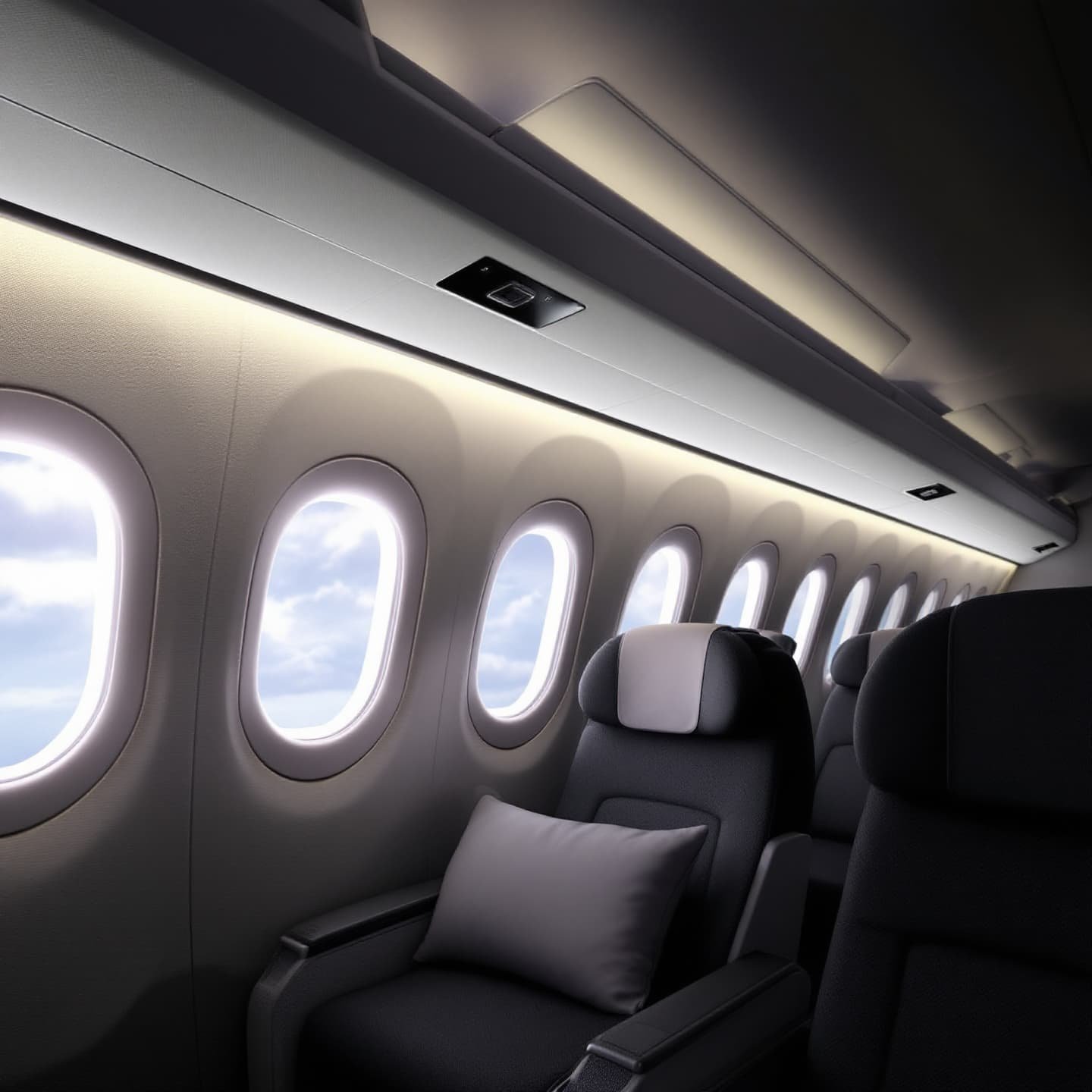
Noise reduction course in cabins
- Format: Hybrid
- Duration: 3 months
- Hours: 300 H
- Language: English / Spanish
- Registration date: 23-10-2026
- Start date: 12-12-2026
- Available places: 2
550 $
Competencies and results
What you will learn
1. Noise Reduction in Cabins: Fundamentals and Advanced Techniques
- Identify noise sources in ship cabins and their effects on crew and passengers.
- Understand the fundamental principles of acoustics, including sound propagation, absorption, reflection, and transmission.
- Apply noise analysis techniques, such as spectral analysis and sound pressure level (SPL) measurement.
- Use specialized software to simulate and model noise behavior in cabins.
- Select and apply effective sound insulation materials and methods, including barriers, absorbers, and decouplers.
- Design and optimize cabin geometry to reduce resonance and echo effects.
- Implement active noise control (ANC) techniques in cabins, if applicable to marine environments.
- Evaluate the effectiveness of implemented noise reduction solutions through testing and measurements.
- Comply with relevant noise regulations and standards for the maritime sector, such as IMO (International Maritime Organization).
- Develop a maintenance plan to ensure the long-term effectiveness of noise reduction solutions.
2. Rotor Modeling and Performance: Analysis and Optimization
- Master the analysis of critical aeroelastic couplings: flap-lag-torsion.
- Evaluate the dynamic stability of rotors, including the whirl flutter phenomenon.
- Understand and mitigate the effects of fatigue on rotating components.
- Model and dimension complex laminated structures using composite materials.
- Apply Finite Element (FE) analysis techniques for the design of joints and bonded joints.
- Optimize the structural strength of components using numerical simulation.
- Incorporate damage tolerance methodologies in the design and analysis of rotors.
- Implement techniques of Non-Destructive Testing (NDT): Ultrasonic Testing (UT), Radiography (RT), and Thermography.
Evaluate the structural integrity and service life of components through advanced inspection and analysis.
3. Comprehensive user-oriented design and validation (from modeling to manufacturing)
You will learn to integrate the entire product development process, from initial model conception to final validation, applying user-centered methodologies. You will develop skills in parametric design, ergonomics, simulation, sustainable materials, 3D visualization, and manufacturing management, ensuring efficient, safe solutions that meet current industry standards.
4. Noise Analysis and Mitigation in Cabins: An Integrated Approach
4. Cabin Noise Analysis and Mitigation: A Comprehensive Approach
- Identify sources of aerodynamic and structural noise.
- Apply modal and vibration analysis techniques to diagnose problems.
- Evaluate the impact of noise on component fatigue.
- Design and implement sound insulation and noise reduction solutions.
- Use specialized software for acoustic simulation and analysis.
- Understand the principles of sound propagation in different environments.
- Apply standards and regulations related to aviation noise.
- Measure and evaluate noise levels within the cabin.
- Develop strategies to improve cabin acoustic comfort.
5. Noise Reduction in Cabins: Design and Acoustic Control
- Fundamentals of Cabin Noise: Understanding noise sources (airborne, structural, equipment), their propagation, and their effects on comfort and safety.
- Principles of Acoustics: Key concepts such as frequency, wavelength, amplitude, sound pressure, noise levels (dB), frequency spectrum, and the importance of auditory perception.
- Identifying Noise Sources: Techniques for locating and classifying the predominant noise sources in a cabin, including motors, ventilation systems, internal equipment, and aeroacoustic phenomena.
- Acoustic Design: Strategies for noise reduction during the design phase, considering cabin shape, material selection, and component placement.
- Absorbent and Insulating Materials: Properties of acoustic materials, including their absorption coefficient, sound transmission index, and examples of their application in cabin design.
- Sound Insulation: Techniques for minimizing noise transmission through walls,
- Cabin ceilings, floors, and windows, including the use of multi-layer acoustic barriers and special door and window designs.
- Vibration control: Strategies to reduce structural vibrations that contribute to noise, such as the use of dampers, isolators, and the design of more rigid structures.
- Internal acoustic treatment: Implementation of absorbent panels, diffusers, and resonators to improve the cabin’s internal acoustics and reduce the effects of reverberation and echoes.
- Active noise control (ANC) systems: Principles of ANC technology, including the use of microphones, loudspeakers, and signal processing algorithms to cancel unwanted noise.
- Acoustic simulation and modeling: Use of specialized software to simulate the acoustic behavior of a cabin, predict noise levels, and evaluate different acoustic designs and treatments.
- Noise measurement and analysis: Techniques for measuring noise levels in a cabin, including the use of sound level meters, spectrum analyzers, and data acquisition systems.
- Data.
- Regulations and Standards: Understanding regulations and standards related to noise in aviation and navigation, including guidelines from the FAA, EASA, and other regulatory bodies.
- Implementing Solutions: Steps to implement noise reduction solutions in existing cabins, including material selection, component installation, and verification of results.
- Case Studies: Analysis of real-world cabin design and modification cases for noise reduction, highlighting best practices and results achieved.
- Future Trends: Exploring new technologies and approaches for cabin noise reduction, including the use of advanced materials, more sophisticated ANC systems, and more efficient designs.
6. Rotor Performance Optimization: Modeling and Simulation
- Identify and understand vibration and aeroelasticity phenomena in rotors, including flap-lag-torsion couplings, which affect stability and performance.
- Analyze whirl flutter, a type of critical aeroelastic instability, and its implications for rotor design and operation.
- Evaluate the fatigue behavior of rotor materials and components, and apply analysis techniques to predict service life and prevent failures.
- Apply finite element (FE) modeling techniques to dimension laminates in composites, optimizing their design for strength and weight.
- Design and analyze joints and bonded joints using FEA, ensuring structural integrity and efficient load transfer.
- Implement methodologies for damage tolerance to evaluate a rotor’s ability to withstand damage and prevent catastrophic failure.
- Use non-destructive testing (NDT) techniques, such as ultrasonic testing (UT), radiography (RT), and thermography, to inspect rotors and detect defects.
- Evaluate the influence of temperature and pressure on rotor performance.
Who this program is for:
Noise reduction course in cabins
- Graduates in Naval Engineering, Oceanography, Acoustics, Electronics, or related fields.
- Professionals from shipyards, naval companies, acoustic consulting, marine research centers.
- Engineers in naval design, naval construction, onboard systems seeking specialization.
- Personnel from maritime authorities, naval inspectors, acoustic experts who need to update their knowledge of regulations and compliance.
Requirements Recommended: Basic knowledge of acoustics, physics and mathematics; ES/EN B2+/C1. We have support resources available if needed.
- Standards-driven curriculum: you will work with CS-27/CS-29, DO-160, DO-178C/DO-254, ARP4754A/ARP4761, ADS-33E-PRF from the first module.
- Accreditable laboratories (EN ISO/IEC 17025) with rotor bench, EMC/Lightning pre-compliance, HIL/SIL, vibrations/acoustics.
- Evidence-oriented TFM: safety case, test plan, compliance dossierand operational limits.
- Mentored by industry: teachers with experience in rotorcraft, tiltrotor, eVTOL/UAM and flight test.
- Flexible modality (hybrid/online), international cohorts and support from SEIUM Career Services.
- Ethics and security: safety-by-design approach, cyber-OT, DIH and compliance as pillars.
1.1 Introduction to Naval Acoustics and its Challenges
1.2 Fundamentals of Sound: Propagation, Reflection, Absorption
1.3 Identification of Noise Sources in Naval Environments
1.4 Acoustic Instrumentation and Measurement: Tools and Techniques
1.5 Noise Regulations and Standards Applicable to Ships
1.6 Acoustic Materials: Properties and Applications
1.7 Conceptual Design for Noise Reduction: Basic Principles
1.8 Practical Case Studies in the Naval Industry
1.9 Acoustic Risk Assessment and Initial Mitigation
1.10 Introduction to Acoustic Simulation Software
2.1 Digital Twin and Use Cases: Definition, Hypotheses, and KPIs
2.2 CAD/CAE Data Preparation: Cleaning, Meshes, and Simulation Parameters
2.3 Rapid Prototyping: 3D Printing, Lightweight CNC, and Validation Materials
2.4 Virtual Validation: VR/AR for Reviews, Ergonomics, and Walkthroughs
2.5 HIL/SIL Integration: Test Benches, Signals, and Case Orchestration
2.6 DFM/DFA and Tolerance Stacking: Feasibility, Cost, and Assembly
2.7 Test Plan: Protocols, Acceptance Criteria, and Traceability
2.8 Data Acquisition and Analysis: Instrumentation, Quality, and Reproducibility
2.9 Design Correction and Change Management: ECOs, Versions, and Verification
2.10 Case Study: Iterating from Digital Twin to Pilot-Ready Prototype
3.3 Fundamentals of Acoustics: Waves, Sound Pressure, Noise Levels
3.2 Noise Sources in Naval Environments: Engines, Propellers, Equipment
3.3 Sound Propagation: Reflection, Refraction, Absorption
3.4 Acoustic Materials: Absorbers, Insulators, Barriers
3.5 Noise Measurement and Analysis: Instruments, Software, Regulations
3.6 Basic Noise Reduction Strategies: Insulation, Absorption, Damping
3.7 Acoustic Cabin Design: Fundamental Principles
3.8 The Impact of Noise on Crew and Safety
3.9 International Regulations and Standards on Ship Noise
3.30 Introduction to Acoustic Simulations
2.3 Principles of Rotor Aerodynamics: Lift, Drag, Efficiency
2.2 Mathematical Modeling of Rotors: Blade Element Theory, Actuation Disc Theory 2.3 Rotor Modeling and Simulation Software: CFD, BEM.
2.4 Rotor Design Parameters: Blade Profile, Pitch, Diameter, Number of Blades.
2.5 Rotor Performance Analysis: Power Required, Thrust Generated, Efficiency.
2.6 Influence of Rotor Design on Noise Generation.
2.7 Rotor Optimization for Noise Reduction.
2.8 Modal Analysis Methods for Rotors and Vibrations.
2.9 Application of Artificial Intelligence in Rotor Design.
2.30 Rotor Design Case Studies for Naval Applications.
3.3 Advanced Sound Insulation Techniques: Multilayer Construction, Acoustic Chambers.
3.2 High-Performance Absorbing Materials: Foams, Porous Panels, Resonators.
3.3 Damping Systems: Viscoelastic Dampers, Surface Treatments.
3.4 Design of Acoustic Barriers: Calculation and Placement.
3.5 Ventilation and air conditioning systems: acoustic design.
3.6 Modal analysis and vibrations in cabin structures.
3.7 Application of active noise control techniques.
3.8 Design of silencers and noise attenuators.
3.9 Implementation of acoustic solutions in naval environments.
3.30 Case studies and application examples.
4.3 Identification of noise sources: engines, equipment, propellers, airflow.
4.2 Spectral noise analysis: octave bands, frequency spectrum.
4.3 Assessment of noise exposure: noise levels, exposure time.
4.4 Impact of noise on crew health and performance.
4.5 Noise mitigation strategies: control hierarchy.
4.6 Design of soundproof cabins: specifications and requirements.
4.7 Implementation of acoustic solutions: material selection, installation. 4.8 Monitoring and evaluation of the effectiveness of solutions.
4.9 Regulatory compliance and international standards.
4.30 Case studies of noise analysis and mitigation in naval cabins.
5.3 Acoustic cabin design: objectives and requirements.
5.2 Material selection: acoustic properties and durability.
5.3 Cabin structure design: insulation, absorption, and damping.
5.4 Location of noisy equipment: design strategies.
5.5 Design of ventilation and air conditioning systems.
5.6 Design of acoustic doors and windows.
5.7 Design of active noise control systems.
5.8 Ergonomic and acoustic comfort considerations.
5.9 Integration of communication and entertainment systems.
5.30 Verification and validation of the acoustic design.
6.3 Rotor optimization methods: genetic algorithms, simulation-based optimization. 6.2 Computational Fluid Dynamics (CFD) in Rotor Design
6.3 Finite Element Analysis (FEA) for Structural Analysis of Rotors
6.4 Sensitivity Analysis and Design Optimization
6.5 Rotor Noise Modeling and Simulation: Acoustic Methods
6.6 Low-Noise Rotor Design: Strategies and Techniques
6.7 Rotor Performance Optimization: Efficiency and Vibration Reduction
6.8 Environmental Impact Assessment
6.9 Advanced Simulation Software for Rotor Design
6.30 Case Studies of Rotor Optimization in Marine Applications
7.3 Cabin Design: Objectives, Requirements, and Regulations
7.2 Principles of Sound Insulation: Calculation and Material Selection
7.3 Design of Absorbing Structures: Resonators, Porous Panels
7.4 Design of Acoustic Barriers: Calculations and Placement
7.5 Design of acoustic doors and windows: sealing and construction.
7.6 Design of ventilation and air conditioning systems.
7.7 Design of active noise control systems.
7.8 Integration of acoustic systems into the overall cabin design.
7.9 Case studies of acoustic design in naval cabins.
7.30 Evaluation and verification of design effectiveness.
8.3 Defining the objectives and scope of acoustic design.
8.2 Noise reduction strategies: control hierarchy.
8.3 Design of sound insulation: material selection and construction.
8.4 Design of sound absorption: materials and location.
8.5 Design of acoustic barriers: calculations and design.
8.6 Design of ventilation and air conditioning systems.
8.7 Design of acoustic doors and windows.
8.8 Integration of active noise control systems. 8.9 Ergonomic and acoustic comfort considerations.
8.30 Case studies of naval cabin design.
4.4 Introduction to Comprehensive Noise Analysis: Objectives and Scope
4.2 Noise Sources in Cabins: Identification and Characterization
4.3 Noise Propagation: Models and Simulation
4.4 Noise Measurement Techniques: Instruments and Methodologies
4.5 Spectral and Temporal Analysis of Noise
4.6 Assessment of the Impact of Noise on Health and Comfort
4.7 Noise Mitigation Strategies: Materials and Design
4.8 Design of Acoustically Optimized Cabins
4.9 Implementation and Monitoring of Noise Reduction Solutions
4.40 Case Studies: Analysis and Practical Solutions
5.5 Introduction to Acoustics: Key Concepts
5.5 Noise Sources in Naval Environments
5.3 Sound Propagation: Modeling and Analysis
5.4 Acoustic Materials: Absorption and Insulation
5.5 Noise Measurement and Evaluation Techniques
5.6 Cabin Design: Basic Principles
5.7 Structural Noise Control: Vibrations
5.8 Acoustic Insulation: Barriers and Enclosures
5.9 Acoustic Absorption: Panels and Treatments
5.50 Practical Applications and Case Studies
6.6 Rotor Simulation Fundamentals: Theory and Software
6.2 Aerodynamic Modeling of Rotors: CFD and BEM
6.3 Rotor Performance Analysis: Efficiency and Thrust
6.4 Rotor Design Optimization: Algorithms and Strategies
6.5 Rotor Noise Simulation: Sources and Propagation
6.6 Structural Analysis of Rotors: Fatigue and Vibrations
6.7 Rotor Blade Design: Materials and Geometries
6.8 Rotor Model Validation: Testing and Measurements
6.9 Applications of Rotor Simulation: eVTOLs and Helicopters
6.60 Case Study: Optimization of a Specific Rotor
- Hands-on methodology: test-before-you-trust, design reviews, failure analysis, compliance evidence.
- Software (depending on licenses/partners): MATLAB/Simulink, Python (NumPy/SciPy), OpenVSP, SU2/OpenFOAM, Nastran/Abaqus, AMESim/Modelica, acoustics tools, planning toolchains DO-178C.
- SEIUM Laboratories: scale rotor bench, vibrations/acoustics, EMC/Lightning pre-compliance, HIL/SIL for AFCS, data acquisition with strain gauging.
- Standards and compliance: EN 9100, 17025, ISO 27001, GDPR.
Capstone-type projects
- Comprehensive Acoustic Analysis: Cabin design and modeling; noise simulation; absorbent and insulating materials.
- Rotor Optimization: CFD; performance analysis; reduction of generated noise.
- Mitigation Strategies: Active Noise Suppression (ANC); silencer design; acoustic control.
- Acoustic Enclosure: Design and simulation of noise reduction (absorption, insulation); modal analysis and CFD.
- Rotors: Aerodynamic and acoustic modeling; performance optimization and simulation.
- Acoustic Control: Implementation of noise mitigation strategies and performance analysis.
- Acoustic Cabin Design: FEM/BEM simulation; absorbent materials; sound insulation.
- Rotor Optimization: CFD/CSD; vibration reduction; acoustic analysis.
- Cabin Noise Mitigation: Deflector design; modal analysis; impact reduction.
- Cabin Acoustic Control: Active/Passive design; strategies; validation.
- Acoustic Optimization: Modeling and simulation; noise analysis; mitigation strategies; quiet cabin design.
- Rotor Design: Performance modeling and optimization; CFD analysis; flow simulation; noise reduction.
- Acoustic Control: Strategy implementation; absorbent materials; insulation; system design.
Admissions, fees, and scholarships
- Profile: Background in Computer Engineering, Mathematics, Statistics, or related fields; practical experience in NLP and valued information retrieval systems.
- Documentation: Updated CV, academic transcript, SOP/statement of purpose, project examples or code (optional).
- Process: Application → Technical evaluation of profile and experience → Technical interview → Review of case studies → Final decision → Enrollment.
- Fees:
- Single payment: 10% discount.
- Payment in 3 installments: No fees; 30% upon registration + 2 equal monthly payments of the remaining 35%.
Monthly payment: available with a 7% commission on the total; annual review.
Scholarships: based on academic merit, financial need, and promoting inclusion; agreements with companies in the sector for partial or full scholarships.
See “Calendar & Calls for Applications,” “Scholarships & Grants,” and “Fees & Financing” in the SEIUM mega-menu.
Do you have any questions?
Our team is ready to help you. Contact us, and we will respond as soon as possible.
F. A. Q
Frequently asked questions
Yes, we have international certification
Yes: experimental models, real data, applied simulations, professional environments, real case studies.
It is not mandatory. We offer leveling tracks and tutoring.
Completely. It covers e-propulsion, integration, and emerging regulations (SC-VTOL).
Recommended. There are also internal challenges and consortiums.
Yes. Online/hybrid modality with planned labs and visa support (see “Visa & Residence”).