
Branding course for motorcycle teams
About our
The Branding for Motorcycle Teams course immerses participants in the world of brand positioning and visual identity applied to the world of motorcycling. It explores the creation of marketing strategies, the development of captivating brand narratives, and the management of social media image for teams and riders. It focuses on logo design, color selection, and the creation of a consistent and memorable brand experience, crucial for success in a competitive market.
The course offers practical tools for effective communication, target audience analysis, and the creation of impactful digital marketing campaigns. Furthermore, it addresses the importance of authenticity, personalization, and building a loyal fan community. This training is designed for team managers, riders, marketing representatives, and anyone interested in strengthening the visibility and recognition of motorcycle-related brands.
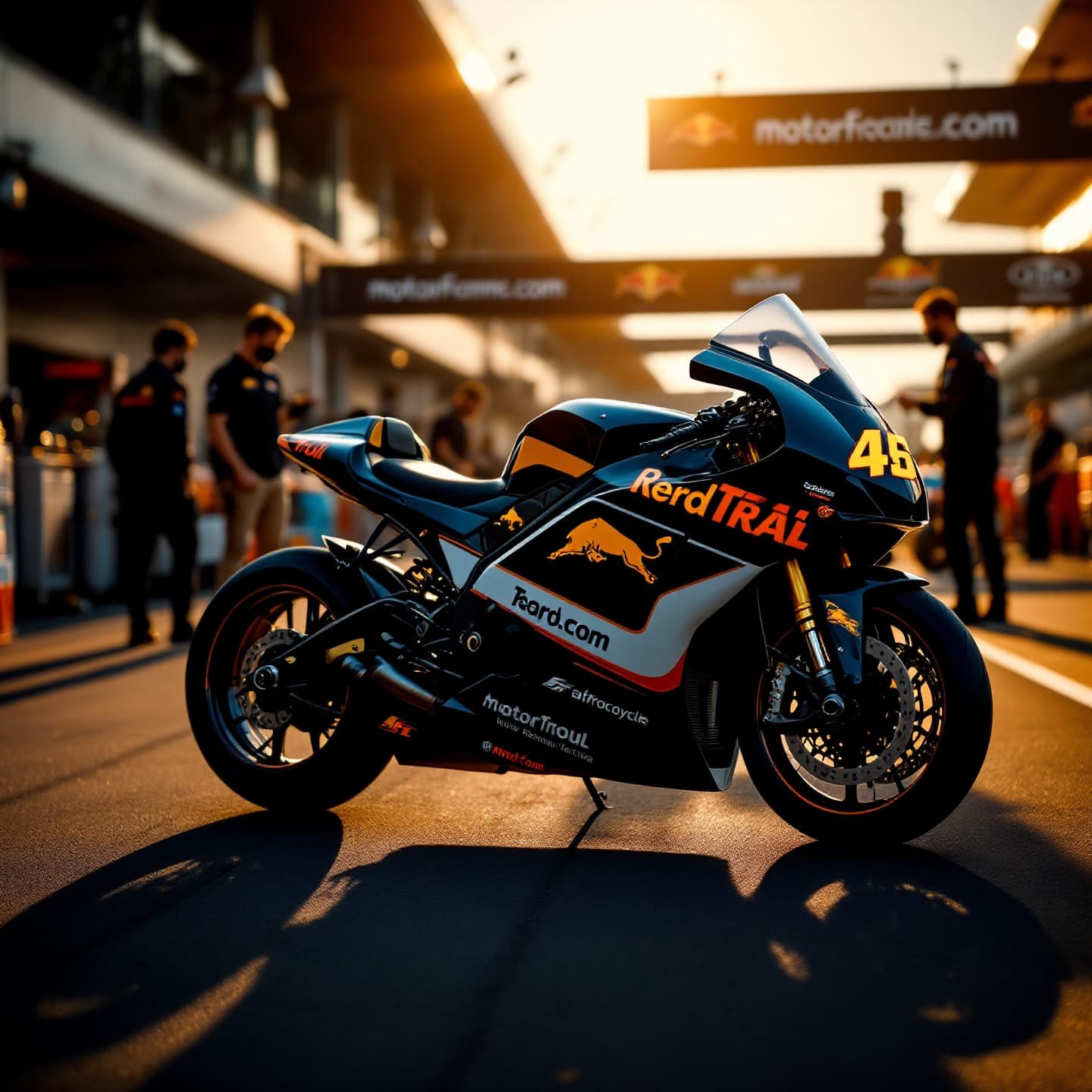
Branding course for motorcycle teams
- Format: Hybrid
- Duration: 3 months
- Hours: 300 H
- Language: English / Spanish
- Registration date: 23-10-2026
- Start date: 12-12-2026
- Available places: 2
799 $
Competencies and results
What you will learn
1. Strategic Branding and Brand Positioning for Motorcycles
- Master strategic branding applied to the motorcycle sector.
- Understand the importance of brand positioning in the competitive motorcycle market.
- Identify and analyze the target audience for a specific motorcycle brand.
- Develop the brand identity, including name, logo, colors, and typography.
- Create a unique and compelling value proposition for the motorcycle brand.
- Develop effective communication strategies for different channels.
- Use digital marketing to promote the motorcycle brand (SEO, social media, online advertising).
- Analyze the competition and differentiate yourself in the motorcycle market.
- Manage the brand’s online reputation.
- Measure and evaluate the performance of branding and positioning strategies.
motorcycles.
2. Branding Strategies and Digital Presence for Motorcycle Teams
- Define and understand the fundamentals of the **brand** in the context of motorcycle gear.
- Identify the **target audience** and analyze the needs and preferences of motorcyclists.
- Develop a strong **brand identity**, including name, logo, colors, and typography.
- Establish clear **objectives** for the digital presence and brand strategy.
- Explore various **digital platforms**, such as social media, websites, and blogs.
- Create relevant and engaging **content** for the motorcycle audience.
- Optimize content for **search engines (SEO)**.
- Use **analytics tools** to measure the performance of the digital presence.
- Develop **content marketing** strategies focused on motorcycles.
- Implement social media techniques to build community and increase reach.
- Manage online reputation and respond to comments and questions.
- Create effective advertising campaigns on digital platforms.
- Analyze and optimize the return on investment (ROI) of digital strategies.
- Apply best practices for web design and user experience (UX).
- Integrate the digital presence with the team’s overall brand strategy.
3. Comprehensive user-oriented design and validation (from modeling to manufacturing)
You will learn to integrate the entire product development process, from initial model conception to final validation, applying user-centered methodologies. You will develop skills in parametric design, ergonomics, simulation, sustainable materials, 3D visualization, and manufacturing management, ensuring efficient, safe solutions that meet current industry standards.
4. Brand, Image and Value Development for Motorcycle Teams
Here is the requested content:
4. **Brand, Image, and Value Development for Motorcycle Racing Teams**
- Define the brand identity: team mission, vision, and values.
- Create the visual identity: logo design, colors, typography, and graphic elements.
- Develop the brand image on social media and digital platforms.
- Communication and public relations strategies for the team.
- Manage the team’s online and offline reputation.
- Create valuable content: photography, video, interviews, and articles.
- Position the brand in the motorcycle racing market.
- Sponsorship and collaboration strategies with other brands.
- Measure and analyze the brand’s impact on the target audience.
- Generate value for sponsors and fans of the team.
5. Building Powerful Brands and Their Impact on Motorcycling
- Identify the key elements for creating a successful brand in the motorcycle sector.
- Understand the importance of brand positioning and differentiation in a competitive market.
- Analyze the impact of a strong brand on customer loyalty and brand recognition.
- Explore effective digital and traditional marketing strategies for promoting motorcycle brands.
- Study case studies of successful motorcycle brands and analyze their branding strategies.
- Learn to develop a consistent and engaging brand identity that resonates with the target audience.
- Understand the importance of visual design and effective communication in creating a powerful brand.
- Evaluate the role of sponsorship, public relations, and event participation in brand building.
- Analyze the impact of motorcycle culture on brand identity and the brand message.
- Develop skills to measure brand success and adjust strategies as needed.
6. Branding, Visual Identity and Digital Marketing for Motorcycle Teams
## **What Will You Learn in Branding, Visual Identity, and Digital Marketing for Motorcycle Teams?**
6.
- Creation and development of a strong brand for motorcycle teams, including its purpose, values, and personality.
- Design of the brand’s visual identity: logo, color palette, typography, and coherent and attractive graphic elements.
- Application of the visual identity across different materials: uniforms, vehicles, products, and digital communications.
- Specific digital marketing strategies for the motorcycle team sector: SEO, SEM, social media, and email marketing.
- Market and competitor analysis to identify opportunities and define the target audience.
- Development of relevant and engaging content for social media and other digital platforms.
- Online reputation management and customer service in the digital environment.
- Measurement and analysis of results to optimize campaigns.
- Use of digital marketing tools to automate and streamline tasks.
- SEO positioning strategies to improve brand visibility in search engines.
of digital marketing.
Who this program is for:
Branding course for motorcycle teams
- Motorcycle team professionals (mechanics, engineers, team managers, etc.) looking to strengthen their brand image.
- Motorcycle racing team owners and managers who want to improve their market positioning and attract sponsors.
- Graphic designers and digital marketing specialists interested in developing effective branding strategies for the motorcycle sector.
- Motorcycle racers who want to build their personal brand and increase their appeal to sponsors and fans.
- Standards-driven curriculum: you will work with CS-27/CS-29, DO-160, DO-178C/DO-254, ARP4754A/ARP4761, ADS-33E-PRF from the first module.
- Accreditable laboratories (EN ISO/IEC 17025) with rotor bench, EMC/Lightning pre-compliance, HIL/SIL, vibrations/acoustics.
- Evidence-oriented TFM: safety case, test plan, compliance dossierand operational limits.
- Mentored by industry: teachers with experience in rotorcraft, tiltrotor, eVTOL/UAM and flight test.
- Flexible modality (hybrid/online), international cohorts and support from SEIUM Career Services.
- Ethics and security: safety-by-design approach, cyber-OT, DIH and compliance as pillars.
1.1 Fundamentals of strategic branding applied to motorcycles.
1.2 Analysis of the motorcycle market and its segmentation.
1.3 Defining the unique value proposition for motorcycle brands.
1.4 Creating brand personality and voice in the motorcycle world.
1.5 Research and analysis of the competition in the motorcycle sector.
1.6 Development of visual identity and logo design for motorcycle brands.
1.7 Design of the brand positioning strategy for motorcycles.
1.8 Implementation of branding strategies for the launch of new models and brands.
1.9 Measuring and analyzing the impact of branding actions in the motorcycle sector.
1.10 Success stories and case studies of strategic branding examples in the motorcycle world.
2.2 Competitive Analysis and Definition of the Target Audience: Motorcyclists
2.2 Creation and Optimization of Social Media Profiles for Teams
2.3 Strategies for Engaging and Relevant Content for Motorcyclists
2.4 Implementation of SEO and Keywords for Motorcycle Teams
2.5 Digital Advertising Targeted at the Motorcycling Community
2.6 Influencer Marketing and Collaborations with Motorcyclists
2.7 Online Reputation Management and Customer Service
2.8 Analysis of Key Data and Metrics to Evaluate Performance
2.9 Optimization of Digital Presence for Events and Competitions
2.20 Creation of an Editorial Calendar and Digital Content Plan
3.3 Brand Foundations: Definition and Purpose in the World of Motorcycling
3.2 Market Research: Target Audience and Competitor Analysis
3.3 Creating the Name and Slogan: Key Elements for Identity
3.4 Logo and Visual Identity Design: Colors, Typography, and Imagery
3.5 Brand Voice and Key Messages: How to Communicate the Brand Personality
3.6 Content Strategies: Creating Relevant and Engaging Content
3.7 Social Media Communication: Managing Online Presence
3.8 Public Relations and Communication with the Motorcycling Community
3.9 Events and Sponsorships: How to Amplify Brand Reach
3.30 Measurement and Analysis: Performance Monitoring and Strategic Adjustments
4.4 Motorcycle Market Analysis and Branding Trends
4.2 Defining the Target Audience and Market Segmentation
4.3 Creating the Brand Personality and Values
4.4 Designing the Name, Logo, and Visual Elements
4.5 Developing the Brand Voice and Tone
4.6 Positioning and Differentiation Strategies
4.7 Creating the Brand Story and Narrative
4.8 Implementing the Brand Across All Touchpoints
4.9 Measuring and Analyzing Brand Performance
4.40 Adapting and Evolving the Brand Over Time
5.5 The Power of Branding: An Introduction to Iconic Motorcycle Brands
5.5 Visual Identity: Creating a Distinctive Image for Your Motorcycle Brand
5.3 Key Messages: Defining and Communicating Your Brand’s Essence
5.4 Ideal Audience: Connecting with the Right Motorcyclists
5.5 Brand Narrative: Telling a Story That Attracts and Connects
5.6 Strategic Positioning: Standing Out in a Competitive Market
5.7 Visual Elements: Logo Design, Colors, and Typography
5.8 Brand Applications: From Apparel to Social Media
5.9 Content Strategies: Creating Value and Building Loyalty in Your Community
5.50 Measuring Success: KPIs and Analyzing Your Brand’s Performance
6.6 Comprehensive Branding Strategies for Motorcycling Teams
6.2 Market Analysis and Competitive Positioning in Motorcycling
6.3 Designing Impactful Visual Identity for Teams
6.4 Creating Brand Messages and Storytelling to Connect with the Audience
6.5 Developing Digital Marketing Strategies for Motorcycling Teams
6.6 Implementing Social Media and Valuable Content for Teams
6.7 SEO and SEM Optimization to Increase Online Visibility
6.8 Public Relations Strategies and Brand Reputation Management
6.9 Measuring and Analyzing Results: Key KPIs in Motorcycling Marketing
6.60 Case Studies: Analysis of Successful Brands in the World of Motorcycling
- Hands-on methodology: test-before-you-trust, design reviews, failure analysis, compliance evidence.
- Software (depending on licenses/partners): MATLAB/Simulink, Python (NumPy/SciPy), OpenVSP, SU2/OpenFOAM, Nastran/Abaqus, AMESim/Modelica, acoustics tools, planning toolchains DO-178C.
- SEIUM Laboratories: scale rotor bench, vibrations/acoustics, EMC/Lightning pre-compliance, HIL/SIL for AFCS, data acquisition with strain gauging.
- Standards and compliance: EN 9100, 17025, ISO 27001, GDPR.
Capstone-type projects
- Strategic Branding: Visual identity, brand guidelines, SEO for motorcycles.
- Digital Marketing: Content strategies, social media, metrics analysis for teams.
- Community Building: Engagement, events, sponsorship for motorcycle brands.
“`html
- Branding Mission: Research, market analysis, creation of visual identity and brand guidelines, value proposition.
- Digital Positioning: SEO strategies, social media, content marketing, KPI analysis.
- Brand Strategy: Development of tone of voice, storytelling, creation of advertising campaigns.
“`
“`html
- Moto X Branding: Research, archetypes, value proposition, visual identity manual, digital strategy.
- Moto Z Team: Audience analysis, positioning, logo design, social media, launch campaign.
- Motos Y Brand: Storytelling, tone of voice, graphic design, website, relevant content, SEO.
“`
- Strategic Branding: Research, market analysis, and unique value proposition for motorcycle brands.
- Visual Identity: Logo design, color palette, and brand guidelines for teams and motorcycles.
- Digital Marketing: SEO strategies, social media, and content to increase visibility.
- Positioning: Defining target audience, value proposition, and key messages.
Admissions, fees, and scholarships
- Profile: Background in Computer Engineering, Mathematics, Statistics, or related fields; practical experience in NLP and valued information retrieval systems.
- Documentation: Updated CV, academic transcript, SOP/statement of purpose, project examples or code (optional).
- Process: Application → Technical evaluation of profile and experience → Technical interview → Review of case studies → Final decision → Enrollment.
- Fees:
- Single payment: 10% discount.
- Payment in 3 installments: No fees; 30% upon registration + 2 equal monthly payments of the remaining 35%.
Monthly payment: available with a 7% commission on the total; annual review.
Scholarships: based on academic merit, financial need, and promoting inclusion; agreements with companies in the sector for partial or full scholarships.
See “Calendar & Calls for Applications,” “Scholarships & Grants,” and “Fees & Financing” in the SEIUM mega-menu.
Do you have any questions?
Our team is ready to help you. Contact us, and we will respond as soon as possible.
F. A. Q
Frequently asked questions
Yes, we have international certification
Yes: experimental models, real data, applied simulations, professional environments, real case studies.
It is not mandatory. We offer leveling tracks and tutoring.
Completely. It covers e-propulsion, integration, and emerging regulations (SC-VTOL).
Recommended. There are also internal challenges and consortiums.
Yes. Online/hybrid modality with planned labs and visa support (see “Visa & Residence”).