

Marketing course for motorcycle riders
About our
The Marketing Course for Motorcycle Racers teaches key strategies for self-promotion, sports sponsorship, and personal branding in the competitive world of motorcycling. It focuses on the use of social media, networking, and the creation of engaging content to increase visibility and attract sponsors and fans. Participants will learn how to negotiate contracts, manage their public image, and use digital marketing to boost their careers and achieve their sporting goals.
“`
This course offers practical tools for analyzing the market, identifying opportunities, and building a strong personal brand that stands out in the motorcycling sector. It covers marketing campaign design, media interaction, and creating effective multimedia content. In addition, it explores best practices for managing reputation crises and building fan loyalty.
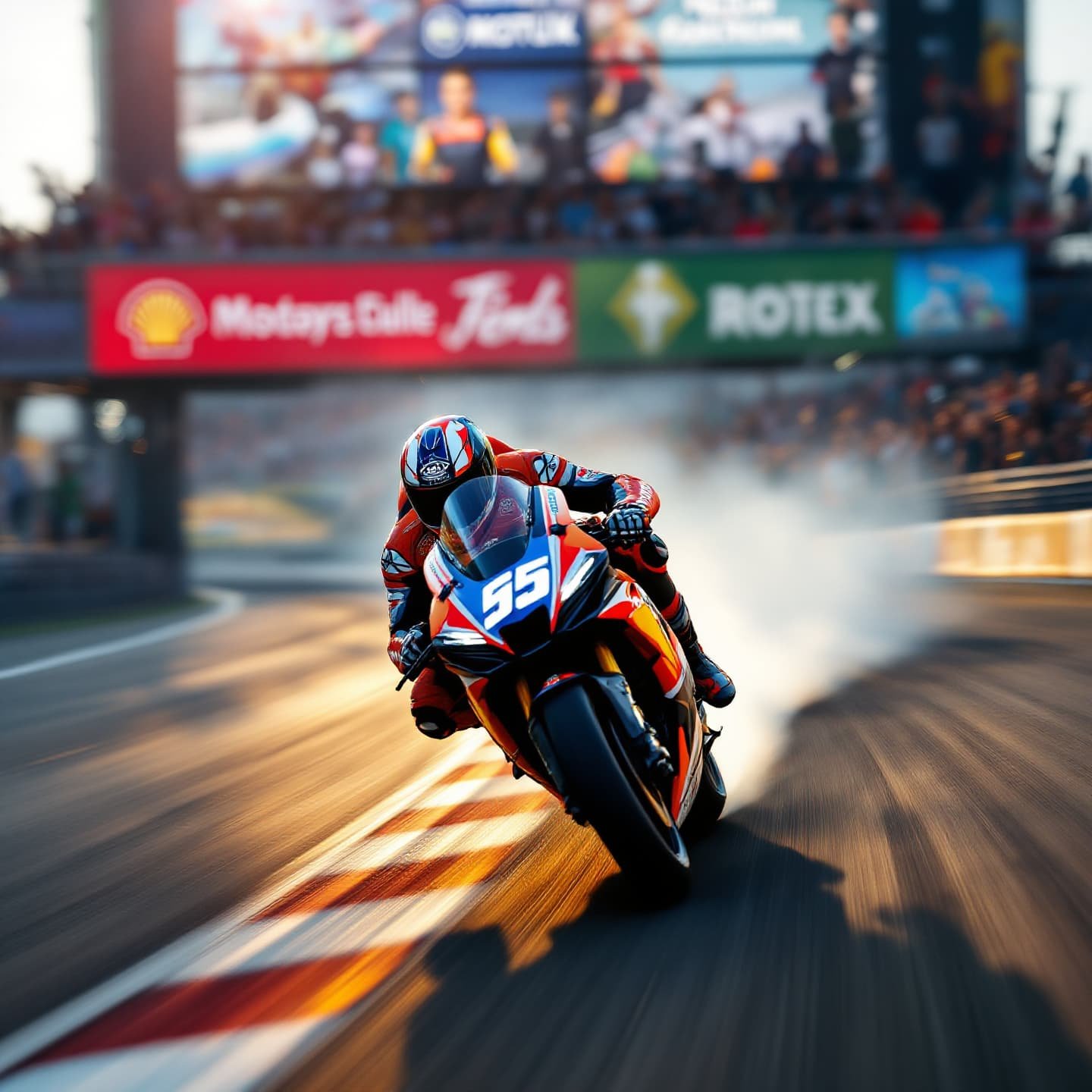
Marketing course for motorcycle riders
- Format: Hybrid
- Duration: 3 months
- Hours: 300 H
- Language: English / Spanish
- Registration date: 23-10-2026
- Start date: 12-12-2026
- Available places: 3
780 $
Competencies and results
What you will learn
1. **Marketing for Pilots: Master Your Brand and Rise to Success**
Here is the content you will learn, just as you requested:
- Understand the fundamentals of personal and professional branding for pilots.
- Develop an effective digital marketing strategy, including social media and SEO.
- Create and manage a consistent and engaging brand image to increase your visibility.
- Master communication and networking techniques to build valuable relationships in the industry.
- Learn how to use content marketing to attract and retain your audience.
- Analyze key metrics to measure the success of your marketing campaigns and make adjustments.
- Discover how to promote your skills and achievements to advance your career.
- Use the power of email marketing to stay in touch with clients and potential employers.
- Learn how to position yourself as an expert in your niche and differentiate yourself from the competition.
Explore affiliate marketing and collaboration opportunities in the aviation sector.
2. **Motorized Marketing: Boost Your Career in the World of Motorcycling**
- Understand the fundamentals of **marketing** applied to the **motorcycling** sector.
- Identify and segment the target audience of the **motorcycle industry**.
- Master the essential **digital marketing** strategies for the world of **motorcycles** (SEO, SEM, social media).
- Learn to create and manage effective advertising campaigns on **online platforms** (Google Ads, social media).
- Analyze and optimize **content** to attract and retain the **motorcycle** audience.
- Develop skills in **branding** and building brand image in the **motorcycling** sector.
- Use **analytics** tools to measure the performance of **marketing** strategies.
- Explore opportunities in **influencer marketing** and collaborations with *motorcyclists*.
Understand e-commerce and online sales strategies for motorcycle products and services.
Discover the latest trends and innovations in motorcycle marketing.
3. Comprehensive user-oriented design and validation (from modeling to manufacturing)
You will learn to integrate the entire product development process, from initial model conception to final validation, applying user-centered methodologies. You will develop skills in parametric design, ergonomics, simulation, sustainable materials, 3D visualization, and manufacturing management, ensuring efficient, safe solutions that meet current industry standards.
4. **Accelerate Your Career: Essential Marketing for Motorcycle Racers**
4. **Accelerate Your Career: Essential Marketing for Motorcycle Racers**
* Understand the importance of **personal branding** in motorcycling.
* Master **digital marketing** strategies for racers (social media, SEO, SEM).
* Learn to **create engaging and relevant content** for your audience.
* Develop **public relations** and image management skills.
* Understand **sponsorship marketing** and how to secure deals.
* Analyze the performance of marketing campaigns and **web analytics**.
* Explore **marketing trends** in motorcycling and technology.
* Acquire knowledge of **effective communication** and storytelling for racers.
* Manage your **online reputation** and respond effectively to crises.
* Create a comprehensive **marketing plan** for your professional development as a racer.
5. **Strategic Marketing: Conquer the Podium in Motorcycling**
5. **Strategic Marketing: Conquer the Podium in Motorcycling**
- Develop a deep understanding of the motorcycling market, including competitor analysis, trends, and audience segmentation.
- Create and execute effective brand positioning strategies to stand out in the competitive world of motorcycling.
- Master key digital marketing tools, including SEO, SEM, social media, and content marketing, specifically tailored to the sector.
- Implement integrated marketing campaigns that drive visibility, engagement, and customer conversion.
- Manage and optimize marketing budgets to maximize return on investment (ROI).
- Analyze data and metrics to evaluate campaign performance and make strategic adjustments.
- Build strong relationships with sponsors, media outlets, and opinion leaders in the industry. Motorcycling.
Understand and apply the principles of event and activation marketing to increase brand presence at races and related events.
Develop effective communication and negotiation skills to close business deals and strategic partnerships.
Learn to use influencer marketing to connect with the target audience and promote the brand authentically.
6. **High-Octane Marketing: Increase Your Presence and Win Races**
- Develop SEO positioning strategies to increase online visibility.
- Implement content marketing tactics to attract and retain the target audience.
- Use data analytics tools to measure campaign performance.
- Optimize user experience (UX) to improve conversions.
- Apply social media marketing techniques to boost engagement and interaction.
- Create effective online advertising campaigns, including Google Ads and other platforms.
- Analyze the competition and develop differentiated value propositions.
- Implement email marketing strategies to nurture leads and build customer loyalty.
- Master the use of on-page and off-page SEO techniques to improve search engine rankings.
- Learn about affiliate marketing and collaboration strategies.
Who this program is for:
Marketing course for motorcycle riders
Here are the results:
- Professional motorcycle racers looking to improve their personal brand and visibility.
- Aspiring motorcycle racers who want to acquire marketing knowledge for their future careers.
- Motorcycle racing teams and their members (mechanics, managers, etc.) interested in enhancing their team’s image and impact.
- Companies and brands related to the world of motorcycling seeking to better understand the market and connect with their audience.
- Motorcycle fans and enthusiasts interested in sports marketing and image management in this field.
- Standards-driven curriculum: you will work with CS-27/CS-29, DO-160, DO-178C/DO-254, ARP4754A/ARP4761, ADS-33E-PRF from the first module.
- Accreditable laboratories (EN ISO/IEC 17025) with rotor bench, EMC/Lightning pre-compliance, HIL/SIL, vibrations/acoustics.
- Evidence-oriented TFM: safety case, test plan, compliance dossierand operational limits.
- Mentored by industry: teachers with experience in rotorcraft, tiltrotor, eVTOL/UAM and flight test.
- Flexible modality (hybrid/online), international cohorts and support from SEIUM Career Services.
- Ethics and security: safety-by-design approach, cyber-OT, DIH and compliance as pillars.
1.1. Introduction to Personal Branding: Defining your pilot identity.
1.2. Creating an Attractive Logo and Visual Design.
1.3. Developing a Unique Value Proposition (UVP).
1.4. Online Presence: Building your website and social media presence.
1.5. Strategic Content: Posts and strategies to attract followers.
1.6. Content Marketing: Blogs, videos, and other formats to connect.
1.7. SEO for Pilots: Search engine optimization.
1.8. Online Reputation Management: Monitoring and responding to comments.
1.9. Networking with Sponsors: How to build strong relationships.
1.10. Measuring Success: Analyzing results and continuous optimization.
2.2 Introduction to Marketing for Riders: Key Concepts
2.2 The Motorcycling Environment and Marketing
2.3 Target Audience Analysis: Identifying Your Fans
2.4 Defining SMART Goals for Your Career
2.5 The Importance of Image and Reputation
2.6 Marketing Mix: The 4 Ps Applied to Your Career
2.7 Market Research: Understanding Your Competitors
2.8 Current Trends in Sports Marketing
2.9 Case Study: Successes and Failures in Racing Marketing
2.20 Initial Action Plan: First Steps
2.2 Creating Your Name and Slogan: Brand Identity
2.2 Logo Design and Visual Elements: Your Professional Image
2.3 Developing a Consistent Communication Style
2.4 Social Media Platforms for Riders: Choosing the Right Ones
2.5 Managing Your Social Media Profile: First Impressions
2.6 Content Attractiveness: Strategies to Capture Attention
2.7 Storytelling: Connecting with Your Followers Through Stories
2.8 Reputation Crisis Management: How to Respond to Criticism
2.9 Building a Network: Effective Networking
2.20 Monitoring and Evaluating Your Personal Brand
3.2 Market Analysis: Trends and Opportunities
3.2 Positioning Strategies for Elite Pilots
3.3 High-Speed Content Marketing: Blog and Videos
3.4 SEO for Pilots: Optimizing Your Online Presence
3.5 Paid Advertising: Google Ads and Social Media
3.6 Email Marketing: Keeping in Touch with Your Fans
3.7 Influencer Marketing: Strategic Collaborations
3.8 Creating Events and Brand Activations
3.9 Measuring ROI in High-Speed Marketing
3.20 Strategies to Maintain a Competitive Advantage
4.2 The Power of Social Media for Riders
4.2 Creating Valuable Content: Videos, Photos, and Blogs
4.3 SEO Strategies for Motorcyclists: Increase Your Visibility
4.4 Social Media Advertising: Facebook Ads and Instagram Ads
4.5 Google Ads for Riders: Reaching Your Target Audience
4.6 Email Marketing: Building a Subscriber List
4.7 Data Analysis and Metrics: Measuring Success
4.8 Website Optimization: Design and Functionality
4.9 Content Marketing: Attract and Retain Your Audience
4.20 Digital Marketing Strategies for Success
5.2 SWOT Analysis: Evaluating Your Strengths and Weaknesses
5.2 Defining Strategic Objectives: Clear Goals
5.3 Market Segmentation: Identifying Your Niche
5.4 Competitive Positioning: Highlighting Your Differentiators
5.5 Developing a Value Proposition Unique
5.6 Guerrilla Marketing Strategies
5.7 Creating a Detailed Marketing Plan
5.8 Managing the Marketing Budget
5.9 Measuring and Analyzing Results: Key KPIs
5.20 Adapting and Continuously Improving Your Strategy
6.2 Creating High-Octane Content: Videos and Photos
6.2 SEO Optimization for Search Engines
6.3 Social Media Advertising: Maximizing Reach
6.4 Influencer Marketing: Strategic Collaborations
6.5 Email Marketing: Building a Relationship with Your Fans
6.6 Events and Activations: Connecting with Your Audience
6.7 Sponsorship Management: Negotiation and Fulfillment
6.8 Content Marketing: Creating Value
6.9 Data Analysis and Measuring ROI
6.20 Adapting and Continuously Improving
7.2 Designing an Attractive and Functional
7.2 On-Page and Off-Page SEO Optimization
7.3 Content Strategies for Online Success
7.4 Social Media Marketing: Key Strategies
7.5 Online Advertising: Google Ads and Facebook Ads
7.6 Email Marketing: Maintaining Contact
7.7 Influencer Marketing: Effective Collaborations
7.8 Lead Generation and Conversions
7.9 Data Analysis and Continuous Optimization
7.20 Building a Loyal Community
8.2 Creating a Strong Personal Brand
8.2 Developing Authentic and Relevant Content
8.3 Online Positioning Strategies
8.4 Finding and Approaching Potential Sponsors
8.5 Creating an Attractive Portfolio
8.6 Negotiating Contracts and Agreements
8.7 Fulfilling Obligations and Long-Term Relationships
8.8 Monetizing Your Brand: Merchandising and More
8.9 Financial Management Personal
8.20 Building a Sustainable Career
3.3 Competitive Analysis: Identify your rivals and their strategies
3.2 Defining SMART Objectives: Establish clear and measurable goals
3.3 Creating a Visual Identity: Design a logo, colors, and impactful typography
3.4 Developing a Content Plan: Publication schedule and relevant topics
3.5 SEO Optimization for Pilots: Keywords and search engine strategies
3.6 Social Media Marketing: Key platforms and engagement strategies
3.7 Content Marketing: Blogs, videos, and other resources to attract followers
3.8 Email Marketing for Pilots: Build a database and maintain contact
3.9 Public Relations and Networking: Build a strong network of contacts
3.30 Measuring and Analyzing Results: KPIs and tools to evaluate success
4.4 Fundamentals of Personal Marketing for Pilots
4.2 Creating and Optimizing Your Personal Brand
4.3 Content Strategies for Social Media
4.4 Content Marketing: Blogs and Videos for Pilots
4.5 Building a Professional Network
4.6 Effective Communication and Public Relations
4.7 Negotiating Sponsorships and Agreements
4.8 Data Analysis and Measuring Success
4.9 Adapting to Digital Marketing Trends
4.40 Personal Marketing Plan: A Roadmap to Advancement
5.5 Competitive Analysis: Identify Your Rivals and Their Strategies
5.5 Goal Setting: Establish Clear and Measurable Goals for Your Career
5.3 Brand Positioning: Create a Unique and Appealing Image
5.4 Market Segmentation: Define Your Ideal Audience
5.5 Content Strategies: Create Valuable and Engaging Content for Your Audience
5.6 Social Media: Master the Key Platforms for Racers
5.7 Public Relations: Build a Strong Image and Attract Sponsorships
5.8 Influencer Marketing: Collaborate with Opinion Leaders in Motorcycling
5.9 Results Analysis: Measure Your Success and Adjust Your Strategy
5.50 Marketing Plan: Design a Comprehensive Plan to Conquer the Podium
6.6 Market Research and Audience Definition
6.2 Building a Strong Personal Brand
6.3 Social Media Content Strategies
6.4 SEO Optimization for Racing Drivers
6.5 Influencer Marketing and Collaborations
6.6 Public Relations and Communications Management
6.7 Digital Advertising and Pay-Per-Click Campaigns
6.8 Data Analysis and Results Measurement
6.9 Sponsorships and Partner Management
6.60 Strategies to Increase Visibility at Events
- Hands-on methodology: test-before-you-trust, design reviews, failure analysis, compliance evidence.
- Software (depending on licenses/partners): MATLAB/Simulink, Python (NumPy/SciPy), OpenVSP, SU2/OpenFOAM, Nastran/Abaqus, AMESim/Modelica, acoustics tools, planning toolchains DO-178C.
- SEIUM Laboratories: scale rotor bench, vibrations/acoustics, EMC/Lightning pre-compliance, HIL/SIL for AFCS, data acquisition with strain gauging.
- Standards and compliance: EN 9100, 17025, ISO 27001, GDPR.
Capstone-type projects
- Successful Pilots: Personal branding, social media, SEO.
- Motorized Marketing: Content, events, sponsorship, data analysis.
- High Speed: Competition strategies, branding, public relations.
- Accelerate Career: Digital marketing, image management, networking.
- Strategic Marketing: Planning, market analysis, ROI.
- High Octane: Campaigns, advertising, crisis management, sponsorships.
- Racing: SEO, SEM, competitor analysis, online visibility.
- Motorcycle Marketing: Loyalty, community, e-commerce, branding.
- Online Positioning: SEO, social media, and content creation for pilots (all courses).
- Brand Image: Development of visual identity and narrative for each pilot (all courses).
- Content Strategies: Blogs, videos, podcasting; maximizing reach (all courses).
- Digital Marketing: Paid campaigns, data analysis, and conversion (all courses).
- Champion Drivers: Comprehensive SEO strategy development; high-performance content creation.
- Personal Branding: Social media optimization and online positioning for drivers.
- Conquer the Podium: Implementation of effective advertising campaigns and data analysis.
- High-Octane Marketing: Email marketing and public relations strategies.
- Racing Marketing: Strategic Branding: Personal brand analysis, visual identity development, SEO strategies, and social media management for racing drivers.
- Motorized Marketing: Digital Positioning: Website optimization, blog content, and video marketing for motorcyclists.
- High-Speed Marketing: Winning Campaigns: Online advertising, data analysis, and influencer marketing for racing drivers.
- Accelerate Your Career: Essential Digital Marketing: Email marketing strategies, event management, and public relations for racing drivers.
Admissions, fees, and scholarships
- Profile: Background in Computer Engineering, Mathematics, Statistics, or related fields; practical experience in NLP and valued information retrieval systems.
- Documentation: Updated CV, academic transcript, SOP/statement of purpose, project examples or code (optional).
- Process: Application → Technical evaluation of profile and experience → Technical interview → Review of case studies → Final decision → Enrollment.
- Fees:
- Single payment: 10% discount.
- Payment in 3 installments: No fees; 30% upon registration + 2 equal monthly payments of the remaining 35%.
Monthly payment: available with a 7% commission on the total; annual review.
Scholarships: based on academic merit, financial need, and promoting inclusion; agreements with companies in the sector for partial or full scholarships.
See “Calendar & Calls for Applications,” “Scholarships & Grants,” and “Fees & Financing” in the SEIUM mega-menu.
Do you have any questions?
Our team is ready to help you. Contact us, and we will respond as soon as possible.
F. A. Q
Frequently asked questions
Yes, we have international certification
Yes: experimental models, real data, applied simulations, professional environments, real case studies.
It is not mandatory. We offer leveling tracks and tutoring.
Completely. It covers e-propulsion, integration, and emerging regulations (SC-VTOL).
Recommended. There are also internal challenges and consortiums.
Yes. Online/hybrid modality with planned labs and visa support (see “Visa & Residence”).