
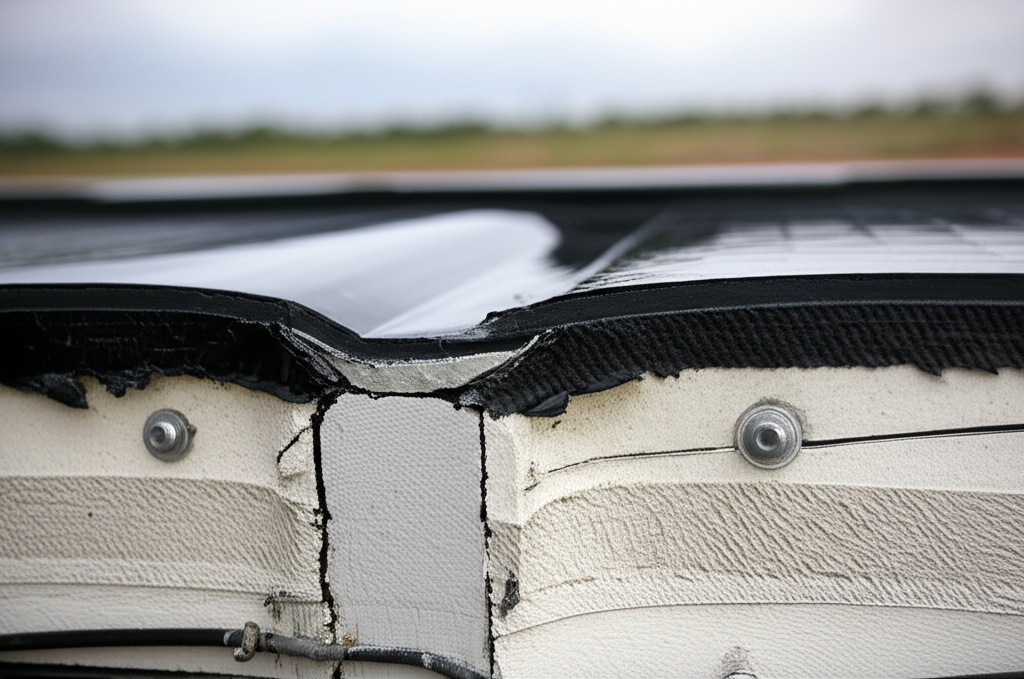
Diploma in Waterproofing, Coatings and Pathologies

Sobre nuestro Diploma in Waterproofing, Coatings and Pathologies

The Diploma in Waterproofing, Coatings, and Building Pathologies explores the application of advanced solutions in building design and maintenance, focusing on proper waterproofing, the selection of appropriate coatings, and the diagnosis of structural pathologies. It integrates knowledge of waterproofing materials, application and repair techniques, and the use of cutting-edge technology for damage analysis, such as thermography and moisture analysis. It links with the disciplines of architecture, civil engineering, and construction to offer a comprehensive view of structural protection. The program provides practical skills in problem identification, solution selection, and project execution, focusing on the sustainability and durability of buildings. Topics covered include current regulations, quality control, and project management. Prepares students for professional roles such as waterproofing specialists, coating technicians, building pathology experts, and building consultants, improving their ability to respond to market demands.

Target keywords (naturally occurring in the text): waterproofing, coatings, building pathologies, waterproofing materials, application, repair, thermography, moisture analysis, construction diploma.
Diploma in Waterproofing, Coatings and Pathologies

1.390 $

Competencias y resultados

Qué aprenderás

1. Diagnosis, Solutions, and Application in Waterproofing, Coatings, and Construction Pathologies

Here is the requested content:

  • Identify and evaluate the causes of waterproofing failures, including leaks, rising damp, and condensation.
  • Analyze the different technologies and materials used in waterproofing, such as asphalt membranes, liquid waterproofing agents, and polyurethane systems.
  • Diagnosticate common building pathologies, such as fissures, cracks, efflorescence, and corrosion, and understand their underlying causes.
  • Select and apply specific solutions for each type of pathology and damage, including repairs, reinforcements, and corrective treatments.
  • Understand the principles of coatings, including paint, epoxy coatings, and protective coatings, and their applications in different environments.
  • Evaluate the durability and performance of waterproofing systems and coatings, considering factors such as weathering, abrasion, and corrosion.
  • Use diagnostic tools and techniques, such as moisture tests, adhesion tests, and laboratory analysis, to assess the condition of materials and systems.
  • Prepare technical reports and detailed work specifications for the repair, rehabilitation, and protection of structures.

2. In-depth Analysis: Waterproofing, Coatings, and Structural Pathologies

2. In-Depth Analysis: Waterproofing, Coatings, and Structural Pathologies

  • Evaluation of permeability in waterproofing materials and systems.
  • Diagnosis and solution of structural pathologies in roofs and exposed structures.
  • Selection and application of protective and decorative coatings for marine environments.
  • Analysis of failures in waterproofing systems: causes and solutions.
  • Inspection and evaluation of the structural integrity of waterproofed elements.
  • Design of construction details to prevent leaks and water accumulation.
  • Knowledge of regulations and standards related to waterproofing and the marine coatings.

3. Comprehensive user-oriented design and validation (from modeling to manufacturing)

You will learn to integrate the entire product development process, from initial model conception to final validation, applying user-centered methodologies. You will develop skills in parametric design, ergonomics, simulation, sustainable materials, 3D visualization, and manufacturing management, ensuring efficient, safe solutions that meet current industry standards.

4. Comprehensive Expertise: Waterproofing, Coatings, and Pathology Diagnosis

  • Understand the fundamentals of marine waterproofing, including materials, application techniques, and relevant regulations.
  • Learn about the different types of coatings used on vessels, their properties, applications, and maintenance.
  • Develop skills to diagnose pathologies in marine structures, identifying causes and proposing solutions.
  • Study the processes of surface preparation for waterproofing and coating, including cleaning, repair, and conditioning.
  • Explore the latest technologies in waterproofing and coatings, such as environmentally friendly materials and advanced application systems.
  • Analyze the different inspection and quality control methodologies in waterproofing and coating work.
  • Become familiar with current safety and environmental regulations related to marine waterproofing and coatings.

5. Specialization: Waterproofing, Coatings, and Analysis of Building Pathologies […]

5. **Specialization: Waterproofing, Coatings, and the Analysis of Building Pathologies**

  • Master advanced waterproofing techniques for various structures, selecting the most suitable materials and systems for each application, from roofs and facades to foundations and underground elements.
  • Understand the application of protective and decorative coatings, including their composition, properties, application methods, and maintenance, with special emphasis on durability and aesthetics.
  • Identify and diagnose common building pathologies, such as cracks, dampness, efflorescence, and corrosion, using visual inspection methods, non-destructive testing, and laboratory analysis.
  • Study the underlying causes of pathologies, including environmental factors, inadequate design, defective materials, and execution errors, allowing for the correct identification of solutions.
  • Evaluate the behavior of building materials in the face of moisture, the
  • Analyze the current regulations and standards related to waterproofing, coatings, and the control of building pathologies, ensuring compliance with legal and technical requirements.
  • Develop skills in writing technical reports and expert opinions, including the accurate description of pathologies, the assessment of their severity, the proposal of solutions, and the estimation of costs.
  • Apply Life Cycle Assessment (LCA) methodologies to building materials and systems, considering their environmental, economic, and social impact, to promote sustainability in construction.
  • Acquire knowledge of quality management and control in waterproofing and coating works, ensuring the correct execution of the work and the fulfillment of project requirements.

6. Waterproofing, Coatings, and Pathologies: Research, Repair, and Prevention

You will learn to integrate the entire product development process, from initial model conception to final validation, applying user-centered methodologies. You will develop skills in parametric design, ergonomics, simulation, sustainable materials, 3D visualization, and manufacturing management, ensuring efficient, safe solutions that meet current industry standards.

Para quien va dirigido nuestro:

Diploma in Waterproofing, Coatings and Pathologies

  • Construction, architecture, and civil engineering professionals.
  • Technicians and specialists in waterproofing, coatings, and building pathologies.
  • Construction inspectors and quality control managers.
  • Owners, property managers, and community managers seeking solutions to dampness and deterioration problems in buildings.
  • Professionals interested in the rehabilitation and maintenance of structures.
  • Standards-driven curriculum: you will work with CS-27/CS-29, DO-160, DO-178C/DO-254, ARP4754A/ARP4761, ADS-33E-PRF from the first module.
  • Accreditable laboratories (EN ISO/IEC 17025) with rotor bench, EMC/Lightning pre-compliance, HIL/SIL, vibrations/acoustics.
  • Evidence-oriented TFM: safety case, test plan, compliance dossierand operational limits.
  • Mentored by industry: teachers with experience in rotorcraft, tiltrotor, eVTOL/UAM and flight test.
  • Flexible modality (hybrid/online), international cohorts and support from SEIUM Career Services.
  • Ethics and security: safety-by-design approach, cyber-OT, DIH and compliance as pillars.

1.1 Waterproofing Fundamentals: Materials and Techniques
1.2 Identifying Waterproofing Problems: Causes and Types
1.3 Troubleshooting: Methods and Tools
1.4 Waterproofing Solutions: Selection and Application
1.5 Waterproofing Repair: Techniques and Procedures
1.6 Protective Coatings: Types and Properties
1.7 Case Studies: Waterproofing and Failure Studies
1.8 Regulations and Standards: Compliance in Waterproofing
1.9 Failure Prevention: Design and Maintenance
1.10 Practical Applications: Real-World Cases and Implemented Solutions

2.2 Fundamentals of Waterproofing: Types of Materials and Techniques
2.2 Coatings: Selection, Application, and Compatibility with Waterproofing
2.3 Diagnosis of Pathologies: Identification of Causes and Effects in Structures
2.4 Moisture Analysis: Detection and Measurement Methods
2.5 Waterproofing in Buildings: Common Systems and Specific Solutions
2.6 Decorative and Protective Coatings: Properties and Uses
2.7 Construction Pathologies: Cracks, Fissures, Detachments, and Efflorescence
2.8 Case Studies: Failure Analysis and Applied Solutions
2.9 Regulations and Standards: Compliance and Best Practices
2.20 Prevention: Design and Construction to Avoid Future Problems

3.3 Introduction to Waterproofing: Fundamentals and Types
3.2 Material Selection: Criteria and Considerations
3.3 Waterproofing System Design: Construction Details
3.4 Waterproofing Application: Techniques and Procedures
3.5 Waterproofing Problems: Diagnosis and Causes
3.6 Repair and Rehabilitation: Solutions and Strategies
3.7 Coatings: Types, Applications, and Compatibility
3.8 Quality Control in Waterproofing: Tests and Verifications
3.9 Legislation and Regulations: Legal Aspects and Standards
3.30 Case Studies: Project Analysis and Implemented Solutions

4.4 Waterproofing Fundamentals: Types of Materials and Systems

4.2 Advanced Pathology Diagnosis: Methods and Tools

4.3 Coating Analysis: Selection, Application, and Evaluation

4.4 Interaction Between Waterproofing and Pathologies: Causes and Effects

4.5 Comprehensive Solutions: Repair and Rehabilitation

4.6 Waterproofing System Design: Technical Specifications

4.7 Quality Control: On-Site Testing and Trials

4.8 Pathology Prevention: Design and Implementation

4.9 Regulations and Legislation: Regulatory Framework

4.40 Case Studies: Problem Analysis and Resolution

5.5 Waterproofing Fundamentals: Types and Materials
5.5 Coating Selection: Criteria and Applications
5.3 Diagnosis of Construction Pathologies: Methodologies
5.4 Analysis of Dampness and Leaks: Causes and Effects
5.5 Roof Waterproofing: Design and Execution
5.6 Façade Coatings: Techniques and Solutions
5.7 Pathologies in Concrete Structures: Evaluation and Repair
5.8 Underground Waterproofing: Design and Execution
5.9 Regulations and Standards in Waterproofing and Coatings
5.50 Case Studies: Problem Analysis and Solutions

5.6

6.6 Pathology Identification: Research Methodology and Tools
6.2 Damage Assessment: Analysis of the Extent and Severity of Pathologies
6.3 Selection of Repair Techniques: Waterproofing and Coatings
6.4 Materials and Systems: Selection and Application for Durable Repairs
6.5 Repair Techniques: Waterproofing, Coatings, and Structures
6.6 Pathology Prevention: Proper Design and Construction
6.7 Quality Control: Inspection and Verification on Sites
6.8 Preventive Maintenance: Programs and Strategies
6.9 Case Studies: Analysis of Repair Successes and Failures
6.60 Legislation and Regulations: Compliance and Responsibilities

7.7 Introduction to the Specialization: Waterproofing, Coatings, and Construction Pathologies
7.2 Initial Analysis and Diagnosis of Construction Pathologies
7.3 Types of Waterproofing: Selection and Application
7.4 Coatings: Materials, Techniques, and Selection Criteria
7.7 Common Construction Pathologies and Their Causes
7.6 Case Studies: Failure Analysis and Solutions in Waterproofing
7.7 Design and Evaluation of Coatings: Technical and Aesthetic Aspects
7.8 Pathology Prevention: Strategies and Best Practices
7.9 Legal and Regulatory Aspects of Waterproofing and Coatings
7.70 Maintenance and Repair of Waterproofing and Coatings

8.8 Diagnosis of Building Pathologies: Identification and Initial Assessment
8.8 Fundamentals of Waterproofing: Types, Materials, and Applications
8.3 Selection of Coatings: Technical and Aesthetic Criteria
8.4 Prevention of Pathologies: Efficient Design and Construction
8.5 Damp-Proofing: Causes, Effects, and Solutions
8.6 Crack Analysis: Types, Origin, and Treatment
8.7 Waterproofing Systems: Design and Implementation
8.8 Application of Coatings: Techniques and Quality Control
8.9 Preventive Maintenance: Programs and Strategies
8.0 Case Studies: Pathology Analysis and Comprehensive Solutions

9.9 Waterproofing Fundamentals: Types and Selection
9.9 Coating Materials: Characteristics and Applications
9.3 Diagnosing Failures in Waterproofing and Coatings
9.4 Waterproofing Repair Techniques
9.5 Coating Application: Methodology and Best Practices
9.6 Case Studies: Waterproofing and Coatings in Different Environments
9.7 Quality Control in Waterproofing and Coating Work
9.8 Preventing Problems in Waterproofing and Coatings
9.9 Legislation and Regulations for Waterproofing and Coatings
9.90 Maintenance and Service Life of Waterproofing and Coating Systems

1.1 Diagnosis of waterproofing and coating pathologies: identification and evaluation.

1.2 Waterproofing solutions: selection of materials and techniques.

1.3 Application of coatings: techniques and considerations.

1.4 Construction pathologies: causes, effects, and repair.

1.5 Case studies: analysis of problems and solutions on site.

1.6 Quality control in waterproofing and coatings.

1.7 Regulations and standards in waterproofing and coatings.

1.8 Design and technical specifications for waterproofing.

1.9 Prevention of pathologies: design and construction.

1.10 Case study: application of knowledge to a real project.

  • Hands-on methodology: test-before-you-trust, design reviews, failure analysis, compliance evidence.
  • Software (depending on licenses/partners): MATLAB/Simulink, Python (NumPy/SciPy), OpenVSP, SU2/OpenFOAM, Nastran/Abaqus, AMESim/Modelica, acoustics tools, planning toolchains DO-178C.
  • SEIUM Laboratories: scale rotor bench, vibrations/acoustics, EMC/Lightning pre-compliance, HIL/SIL for AFCS, data acquisition with strain gauging.
  • Standards and compliance: EN 9100, 17025, ISO 27001, GDPR.

Proyectos tipo capstones

Admisiones, tasas y becas

  • Profile: Background in Computer Engineering, Mathematics, Statistics, or related fields; practical experience in NLP and valued information retrieval systems.
  • Documentation: Updated CV, academic transcript, SOP/statement of purpose, project examples or code (optional).
  • Process: Application → Technical evaluation of profile and experience → Technical interview → Review of case studies → Final decision → Enrollment.
  • Fees:
    • Single payment: 10% discount.
    • Payment in 3 installments: No fees; 30% upon registration + 2 equal monthly payments of the remaining 35%.

      Monthly payment: available with a 7% commission on the total; annual review.

      Scholarships: based on academic merit, financial need, and promoting inclusion; agreements with companies in the sector for partial or full scholarships.

      See “Calendar & Calls for Applications,” “Scholarships & Grants,” and “Fees & Financing” in the SEIUM mega-menu.

¿Tienes dudas?

Nuestro equipo está listo para ayudarte. Contáctanos y te responderemos lo antes posible.

Please enable JavaScript in your browser to complete this form.
Scroll to Top