Diploma in Terminal Design, Airside and Security
About us Diploma in Terminal Design, Airside and Security
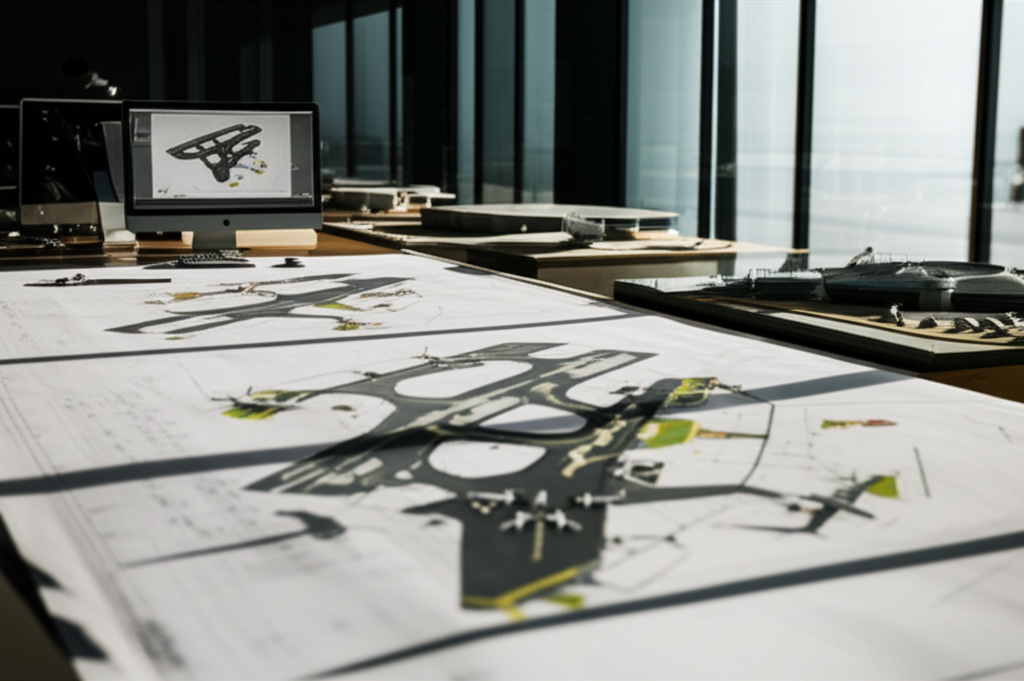
The Diploma in Terminal, Airside, and Security Design provides comprehensive training in airport design, including critical areas such as terminals, airside, and airport security. It focuses on the application of international regulations, functional planning, architectural design, and airport operations management, integrating knowledge in civil engineering, architecture, and physical security. The program includes the study of advanced technologies for access control, surveillance systems, and emergency management, as well as the optimization of passenger flow and baggage handling.
It delves into the implementation of security standards such as ICAO and TSA, as well as risk analysis and comprehensive airport security management. The diploma program prepares professionals for roles such as airport designers, airport operations managers, airport security specialists, and design and security consultants, providing the necessary tools to face the challenges of the global airport industry.
Target keywords (natural occurrences in the text): airport design, airport terminals, airside, airport security, airport management, airport planning, ICAO, TSA, airport design, airport diploma program.
Diploma in Terminal Design, Airside and Security
- Format:
- Duration:
- Hours: 900 H
- Language:
- Credits:
- Registration date: 08-09-2026
- Strat date: 19-10-2026
- Available places: 9
950 $
Competencies and results
What you will learn
Who this program is for:
Diploma in Terminal Design, Airside and Security
9.9 Airport Legislation and Regulations
9.9 Airport Security Standards
9.3 Airport Risk Management
9.4 Access Control and Perimeter Security
9.5 Passenger and Baggage Screening
9.6 Fire and Emergency Protection
9.7 Hazardous Materials Handling Safety
9.8 Air Safety Regulations (ICAO, FAA)
9.9 Security Audits and Assessments
9.90 Implementation of Security Plans
9.9 Terminal Design: Planning and Concept
9.9 Passenger Flows and Process Design
9.3 Design of Check-in and Boarding Areas
9.4 Design of Arrivals and Customs Areas
9.5 Design of Commercial and Service Areas
9.6 Terminal Capacity Optimization 9.7 Baggage Handling Systems Design
9.8 Airport Operations: Flight Management
9.9 Resource and Personnel Scheduling
9.90 Analysis and Improvement of Operational Efficiency
3.9 Airside Area Architectural Design
3.9 Apron and Taxiway Design
3.3 Lighting and Signaling Systems Design
3.4 Infrastructure Design Security
3.5 Intrusion and Threat Protection
3.6 Video Surveillance and Access Control Systems
3.7 Security Management System Design
3.8 Risk and Vulnerability Assessment
3.9 Implementation of Physical Security Measures
3.90 Aviation Protection Against Illicit Acts
4.9 Threat Analysis and Risk Assessment
4.9 Prevention and Mitigation Strategies 4.3 Information protection and cybersecurity.
4.4 Contingency plans and emergency response.
4.5 Crisis management and communication in risk situations.
4.6 Protection of flights and aircraft on the ground.
4.7 Cargo and airmail security.
4.8 Airport infrastructure protection.
4.9 Coordination with security agencies.
4.90 Aviation security training and education.
5.9 Runway geometric design.
5.9 Taxiway and apron design.
5.3 Visual aid systems and air navigation.
5.4 Design of safety and security zones.
5.5 Runway capacity studies.
5.6 Drainage system and pavement design.
5.7 Airspace signage and marking.
5.8 Holding and approach area design. 5.9 Environmental considerations in design.
5.90 Design of air traffic management systems.
6.9 Design of explosive ordnance disposal systems.
6.9 Design of weapons detection systems.
6.3 Aircraft protection against attack.
6.4 Building and infrastructure shielding.
6.5 Design of cybersecurity systems.
6.6 Aviation protection against terrorist attacks.
6.7 Aviation risk and threat assessment.
6.8 Implementation of active security measures.
6.9 Vulnerability analysis and risk mitigation.
6.90 Security in the transport of valuables and hazardous materials.
7.9 Airside zone design and planning.
7.9 Design of movement and circulation areas.
7.3 Design of perimeter security systems.
7.4 Access control and identity management. 7.5 Design of video surveillance systems.
7.6 Protection of airport infrastructure.
7.7 Design of threat detection systems.
7.8 Incident management and emergency response.
7.9 Design of safe and refuge areas.
7.90 Security audits and regulatory compliance.
8.9 Terminal design: passenger flow and operations.
8.9 Design of airside areas: aprons and taxiways.
8.3 Physical security in terminals and airside areas.
8.4 Access control and video surveillance systems.
8.5 Fire and emergency protection.
8.6 Security in baggage and cargo handling.
8.7 Risk assessment and contingency plans.
8.8 Perimeter security and intrusion control.
8.9 Security systems integration.
8.90 Audits and regulatory compliance.
9.9 Fundamentals of Airport Security Legislation and Regulations
9.9 Principles of Risk Management in Airports
9.3 Access Control and Perimeter Security Systems
9.4 Passenger and Baggage Screening and Control
9.5 Fire and Emergency Protection
9.6 Safety in the Handling of Dangerous Goods
9.7 Aviation Security Regulations (ICAO, FAA, etc.)
9.8 Security Audits and Assessments
9.9 Implementation of Airport Security Plans
9.90 Security Training and Education
Capstone-type projects
- Terminal Design and Security: Flow analysis, security protocols, and evacuation simulations.
- Operations Optimization: Implementation of airport management systems and wait time analysis.
- Architecture and Security: Resilient terminal design, risk assessment, and mitigation strategies.
- 3D Simulations: Terminal modeling, visibility analysis, and passenger flow optimization.
Admissions, fees and scholarships
Do you have any questions?
Our team is ready to help you. Contact us and we’ll get back to you as soon as possible.