Diploma in Space Debris Mitigation and End of Life
About us Diploma in Space Debris Mitigation and End of Life
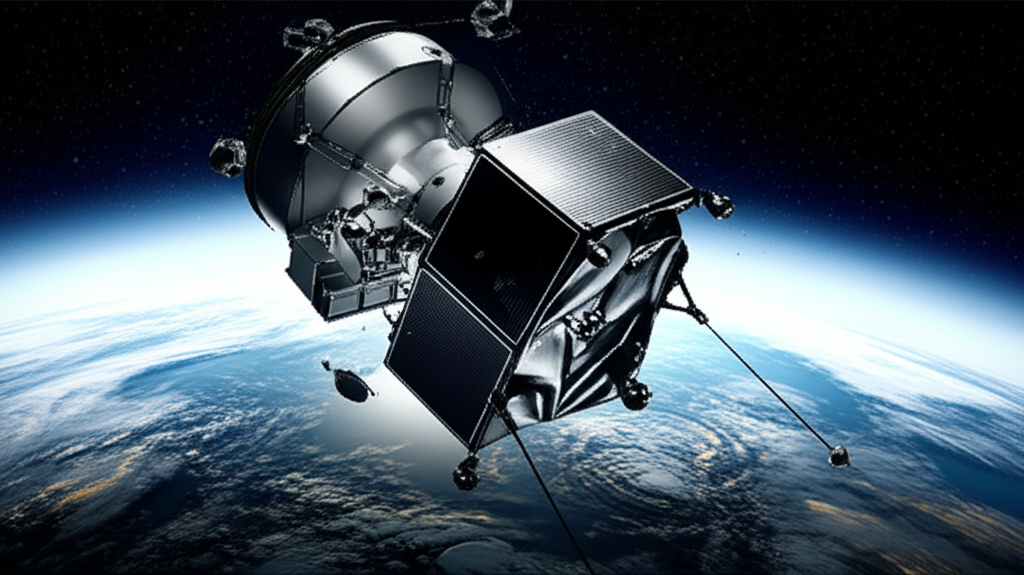
The Diploma in Space Debris Mitigation and End-of-Life focuses on the comprehensive management of space debris and sustainability in space. It covers key aspects such as satellite design to minimize debris generation, tracking and monitoring strategies for objects in orbit, and techniques for the collection and cleanup of space debris. Furthermore, it addresses the design for deorbiting and the planned end-of-life of satellites, considering international regulatory aspects and environmental impact. It focuses on orbit simulation and modeling tools, as well as the development of remediation technologies, such as capture and propulsion. The program prepares professionals for roles in space agencies, satellite telecommunications companies, and startups focused on space cleanup. It includes the analysis of economic and legal aspects related to space debris, as well as practical case studies and projects that foster innovation and international collaboration. The objective is to train experts capable of addressing the growing problem of space debris effectively and responsibly, ensuring the sustainability of the space environment. Target keywords (naturally occurring in the text): space debris, mitigation, end of life, deorbiting, tracking and monitoring, space cleanup, space sustainability, space diploma.
Diploma in Space Debris Mitigation and End of Life
- Format:
- Duration:
- Hours: 900 H
- Language:
- Credits:
- Registration date: 08-09-2026
- Strat date: 19-10-2026
- Available places: 11
1,250 $
Competencies and results
What you will learn
Who this program is for:
Diploma in Space Debris Mitigation and End of Life
9.9 Introduction to International Space Law
9.9 Key Treaties and Agreements
9.3 Principles of Space Activity
9.4 National and International Regulatory Framework
9.5 Mitigation Policies: An Overview
9.6 Liability and Attribution of Damage
9.7 Space Organizations and Agencies
9.8 Space Ethics and Sustainability
9.9 Debris Identification and Characterization
9.9 Modeling of Space Environments
9.3 Collision Risk Analysis
9.4 Debris Propagation Assessment
9.5 Impact of Debris on Space Operations
9.6 Risk Assessment Methodologies
9.7 Simulation and Analysis Tools
9.8 Risk-Based Mitigation Strategies
3.9 Design for Controlled Deorbiting
3.9 Selection of Safe Orbits
3.3 Design of Systems End-of-Life Propulsion
3.4 Materials and Design for Debris Reduction
3.5 Design of Satellites with Limited Lifespans
3.6 Design of Safe Deployment Mechanisms
3.7 Integration of Mitigation Systems
3.8 Design Considerations for Reentry
4.9 Active and Passive Deorbiting
4.9 End-of-Life Strategies for Different Types of Satellites
4.3 Planning and Sequencing of End-of-Mission Operations
4.4 End-of-Life Control and Navigation Systems
4.5 Fuel Management and Power Systems
4.6 Closure and Decommissioning Procedures
4.7 End-of-Mission Documentation and Reporting
4.8 Monitoring and Verification of Compliance
5.9 Debris Capture and Removal
5.9 Harpoons, Nets, and Robotic Arms
5.3 Towing and Retrieval Systems Relocation
5.4 Deorbiting Techniques
5.5 Electric Propulsion for Removal
5.6 Vision and Guidance Systems
5.7 Technology Testing and Validation
5.8 Technical and Operational Challenges
6.9 Compliance with International Standards
6.9 Debris Mitigation Standards (IADC, ISO)
6.3 Certification and Approval Processes
6.4 Compliance Reporting and Documentation
6.5 Mitigation Audits and Verification
6.6 National Space Legislation
6.7 Industry Best Practices
6.8 Regulatory Compliance Challenges
7.9 Mitigation Success and Failure Cases
7.9 End-of-Life Mission Case Studies
7.3 Mitigation Cost-Benefit Analysis
7.4 Lessons Learned from Projects Previous
7.5 Mitigation Applications in Different Orbits
7.6 Environmental Impact of Space Operations
7.7 Innovations in Space Traffic Management
7.8 Modeling Future Scenarios
8.9 Trends in Debris Mitigation
8.9 Artificial Intelligence and Machine Learning
8.3 Advanced Robotics for Space
8.4 Sustainable Materials and Technologies
8.5 Circular Economy in Space
8.6 Design for Adaptability and Flexibility
8.7 Future Initiatives and Projects
8.8 Research and Development in Mitigation
Capstone-type projects
- Design and Simulation: 3D modeling, orbital analysis, and reentry simulation.
- Mitigation: Deorbiting strategies, capture technologies, and space cleanup.
- Lifecycle Management: Planning, deorbiting design, and regulatory compliance.
Admissions, fees and scholarships
Do you have any questions?
Our team is ready to help you. Contact us and we’ll get back to you as soon as possible.