
Diploma in Orbital Thermal Control, MLI and Radiators
About us Diploma in Orbital Thermal Control, MLI and Radiators
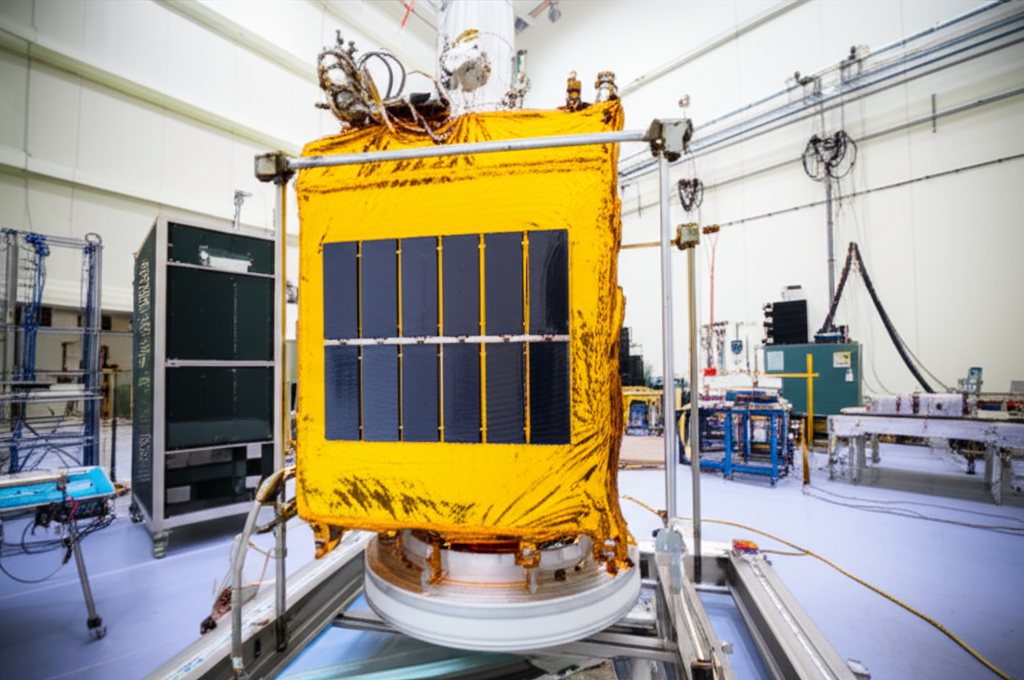
The Diploma in Orbital Thermal Control, MLI, and Radiators focuses on the design and analysis of systems crucial for temperature management in satellites and spacecraft. It addresses the use of MLI (Multi-Layer Insulation), radiators, and other techniques to protect sensitive components from the extreme thermal conditions of space. It includes the study of thermal modeling, CFD simulations, and material selection. It focuses on the application of precise methodologies to ensure the efficiency and reliability of thermal control systems in space missions.
The program provides practical knowledge in the design and analysis of MLI and radiators, as well as in the implementation of strategies for orbital thermal control. Participants gain experience in the use of simulation tools and compliance with industry standards. This training prepares professionals for roles such as space systems engineers, thermal control specialists, and space component designers, strengthening employability in the aerospace sector.
Target keywords (naturally occurring in the text): thermal control, MLI, radiators, thermal modeling, CFD simulation, space systems, aerospace diploma.
Diploma in Orbital Thermal Control, MLI and Radiators
- Format:
- Duration:
- Hours: 900 H
- Language:
- Credits:
- Registration date: 08-09-2026
- Strat date: 19-10-2026
- Available places: 11
1,499 $
Competencies and results
What you will learn
Who this program is for:
Diploma in Orbital Thermal Control, MLI and Radiators
9.9 Fundamentals of Thermal Control for Aircraft and Orbits
9.9 Heat Transfer: Conduction, Convection, and Radiation in Orbital Environments
9.3 Multilayer Insulation Materials (MLI): Principles and Applications
9.4 Design and Selection of Aircraft Radiators
9.5 Thermal Analysis of Aeronautical Components and Systems
9.6 Thermal Modeling and Simulation: Software and Tools
9.7 Validation and Testing of Thermal Systems in Aircraft
9.8 Case Studies: Failures and Solutions in Aircraft Thermal Systems
9.9 Principles of Heat Transfer in Space
9.9 Detailed Analysis of MLI: Design, Materials, and Performance
9.3 Design and Optimization of Space Radiators: Types and Applications
9.4 Thermal Modeling of Complex Space Systems
9.5 Simulation and Analysis of Thermal Environments Orbitals
9.6 Optimizing Thermal Management for Different Space Missions
9.7 Design Considerations: Impact of Solar and Terrestrial Radiation
9.8 Case Studies: Analysis and Solution of Thermal Problems in Satellites
3.9 Advanced Principles of Thermodynamics and Space Heat Transfer
3.9 Design and Manufacturing of MLIs: Advanced Techniques
3.3 Design of High-Efficiency Radiators for Space Environments
3.4 Simulation of Space Thermal Systems with Advanced Tools
3.5 Sensitivity Analysis and Optimization of Design Parameters
3.6 Thermal Management in Satellites: Components and Subsystems
3.7 Active Thermal Control: Control Systems and Applications
3.8 Case Studies: Analysis of Space Missions and Their Thermal Challenges
4.9 Design of Thermal Systems for Space Missions Specifics
4.9 Selection and Application of Materials for Thermal Control in Space
4.3 Integration of Thermal Systems with Other Spacecraft Subsystems
4.4 Testing and Validation of Thermal Systems in Simulated Environments
4.5 Impact of Thermal Control on Mission Lifespan and Performance
4.6 Risk Management in the Design and Operation of Thermal Systems
4.7 Case Studies: Implementation of Thermal Systems in Real Missions
4.8 Future Trends in the Implementation of Space Thermal Systems
5.9 Optimization of MLI: Design, Materials, and Advanced Techniques
5.9 Design and Optimization of Radiators for Aerospace Applications
5.3 Modeling and Simulation of Complex Thermal Systems
5.4 Sensitivity Analysis and Multi-Objective Optimization
5.5 Active Thermal Control: Systems of Control and Applications
5.6 Applications of Thermal Control in Different Types of Aircraft and Satellites
5.7 Case Studies: Optimization of Thermal Systems in Specific Missions
5.8 Advanced Optimization Methods: Algorithms and Tools
6.9 Thermal Requirements in Satellite Design: Key Considerations
6.9 MLI Design for Satellites: Materials, Techniques, and Performance
6.3 Radiator Design for Satellites: Types, Applications, and Efficiency
6.4 Thermal Modeling and Simulation of Satellites with Specialized Tools
6.5 Sensitivity Analysis and Optimization of Satellite Thermal Systems
6.6 Integration of Thermal Systems with Other Satellite Subsystems
6.7 Testing and Validation of Satellite Thermal Systems
6.8 Case Studies: Thermal Design in Different Types of Satellites
7.9 Advanced Thermodynamics and Heat Transfer Applied to Space Engineering
7.9 Design and Manufacturing of MLIs: Advanced Techniques and Innovative Materials
7.3 Design of High-Efficiency Radiators for Extreme Space Environments
7.4 Thermal Modeling and Simulation of Complex Space Systems
7.5 Sensitivity Analysis and Optimization of Design Parameters
7.6 Applications of Thermal Control in Different Types of Space Missions
7.7 Design and Control of Active Thermal Systems: Advanced Applications
7.8 Case Studies: Analysis of Space Missions and Their Thermal Challenges
8.9 Fundamentals of Thermodynamics and Heat Transfer for Orbital Design
8.9 Design and Optimization of MLIs for Space Environments
8.3 Radiator Design: Principles and Applications for Satellites
8.4 Modeling and Simulation Thermal-Orbital Design: Tools and Methodologies
8.5 Optimizing Thermal Design for Long-Duration Space Missions
8.6 Design and Control of Active Thermal Systems: Advanced Strategies
8.7 Testing and Validating Thermal Systems in Simulated Environments
8.8 Case Studies: Excellence in Thermal-Orbital Design for Satellites
8.5
Capstone-type projects
- Satellite Thermal Design and Simulation: MLI Analysis, Radiators, and Thermal Control in Orbit.
- Space Radiator Optimization: System Design, Simulation, and Validation.
- Space Mission Analysis: Impact of Thermal Control on Duration and Performance.
- MLI and Radiator Implementation: Integration and Testing for Space Environments.
Admissions, fees and scholarships
Do you have any questions?
Our team is ready to help you. Contact us and we’ll get back to you as soon as possible.