

Diploma in Rad-Hard Components and Test Campaigns
About us Diploma in Rad-Hard Components and Test Campaigns
The Diploma in Rad-Hard Components and Testing Campaigns focuses on the design, manufacture, and evaluation of radiation-resistant electronic components. This program covers the understanding of rad-hard technologies, the application of testing methodologies, and the interpretation of results to ensure reliable operation in high-radiation environments, such as outer space or nuclear power. The course explores material selection, radiation protection, and the implementation of comprehensive testing campaigns, including irradiation testing, failure analysis, and modeling and simulation. The diploma program provides hands-on experience in the design and testing of components, including the use of specialized equipment for device characterization and radiation resistance assessment. Participants will learn to apply relevant industry standards and regulations, as well as to develop testing plans and data analysis. This prepares professionals for roles such as rad-hard component design engineers, radiation testing specialists, and reliability analysts, driving innovation in strategic sectors such as space, defense, and scientific research.
Target keywords (natural in the text): rad-hard components, radiation, testing campaigns, irradiation testing, component design, outer space, nuclear energy, failure analysis, modeling, and simulation.
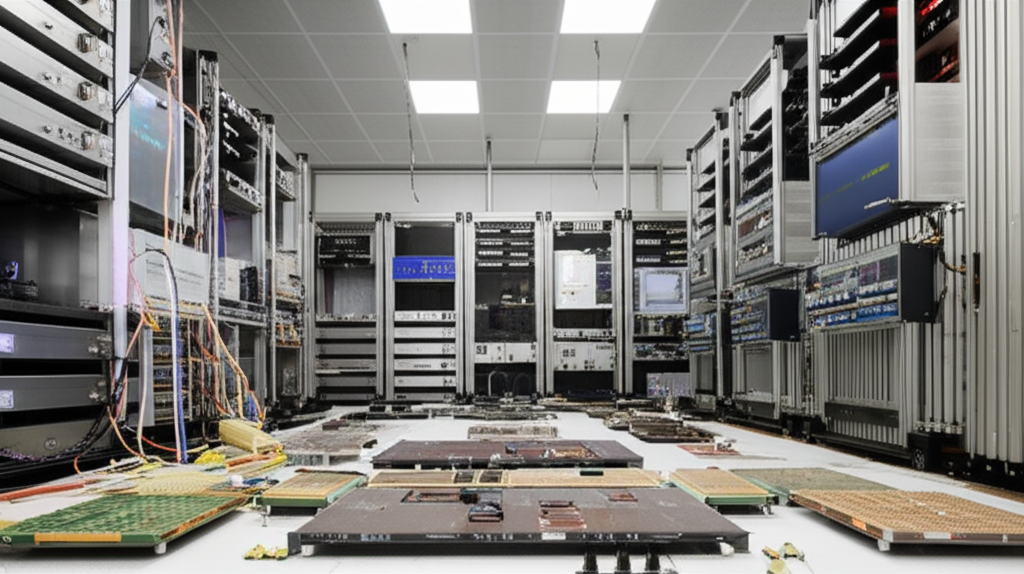
Diploma in Rad-Hard Components and Test Campaigns
- Format:
- Duration:
- Hours: 900 H
- Language:
- Credits:
- Registration date: 08-09-2026
- Strat date: 19-10-2026
- Available places: 9
1,580 $
Competencies and results
What you will learn
Who this program is for:
Diploma in Rad-Hard Components and Test Campaigns
9. Rad-Hard Component Mastery and Optimization in Testing Campaigns:
9.9 Introduction to Rad-Hard Components and Their Relevance
9.9 Optimization Principles in Radiation Testing
9.3 Selection and Configuration of Rad-Hard Components
9.4 Experimental Design to Maximize Efficiency
9.5 Advanced Data Analysis Techniques in Testing
9.6 Tools and Software for Simulation and Analysis
9.7 Case Studies: Test Optimization in Specific Applications
9.8 Best Practices for Documentation and Reporting of Results
9.9 Risk Assessment and Mitigation in Testing Campaigns
9.90 Future Trends in Rad-Hard Component Development
9. Strategic Rad-Hard Implementation:
9.9 Requirements Analysis for Rad-Hard Component Selection
9.9 Implementation Workflow Design 9.3 Supplier Selection and Supply Chain Management
9.4 Test Campaign Planning: Scope and Objectives
9.5 Methodology for Creating Stress Tests
9.6 Data Management and Quality Control in Implementation
9.7 Problem-Solving and Optimization Strategies
9.8 Legal and Regulatory Aspects Related to Rad-Hard
9.9 Success Stories and Lessons Learned in Implementation
9.90 Future of Rad-Hard Component Implementation in Industry
3. Rad-Hard Evaluation in Testing:
3.9 Methodology for Evaluating Rad-Hard Components
3.9 Failure Mode Analysis and Radiation Effects
3.3 Selection of Tests and Test Parameters
3.4 Interpretation of Results and Performance Evaluation
3.5 Advanced Techniques for Data Analysis 3.6 Simulation Tools for Performance Evaluation
3.7 Comparison of Different Rad-Hard Components
3.8 Reporting and Documentation of Test Results
3.9 Strategies for Continuous Improvement of Components
3.90 Case Studies on Evaluations in Complex Environments
4. Rad-Hard Design: Advanced Testing
4.9 Design Principles for Radiation Environments
4.9 Material and Process Selection for Rad-Hard Components
4.3 Design of Radiation-Tolerant Circuits and Systems
4.4 Prototype Design and Performance Simulation
4.5 Planning Design Test Campaigns
4.6 Advanced Testing and Characterization Techniques
4.7 Results Analysis and Design Optimization
4.8 Design Validation and Performance Verification
4.9 Design for Manufacturing and Testing of Rad-Hard Components 4.90 Innovations and Future Trends in Rad-Hard Design
5. Expert Rad-Hard Integration:
5.9 Key Considerations for Rad-Hard Component Integration
5.9 Designing Systems and Subsystems with Rad-Hard Components
5.3 Component Interconnection and Compatibility
5.4 System Integration and Validation Testing
5.5 Configuration Management and Version Control
5.6 Ensuring System Quality and Reliability
5.7 Strategies for Risk Mitigation in Integration
5.8 Documentation and Technical Support for the Integrated System
5.9 Case Studies of Integration in Specific Applications
5.90 Future Trends in Rad-Hard System Integration
6. Rad-Hard Fundamentals and Testing:
6.9 Introduction to Radiation and Its Effects on Components 6.9 Types of radiation and their interactions with matter.
6.3 Basic concepts of Rad-Hard components.
6.4 Testing methods for characterizing components.
6.5 Design of experiments and data analysis.
6.6 Tools and software for simulation and analysis.
6.7 Safety and regulatory considerations.
6.8 Typical applications of Rad-Hard components.
6.9 Trends and future perspectives in Rad-Hard technology.
6.90 Laboratories and equipment for testing.
7. Rad-Hard Specialization and Testing:
7.9 In-depth study of the effects of radiation.
7.9 Advanced Rad-Hard design techniques.
7.3 Advanced testing and characterization methods.
7.4 Simulation and modeling of components and systems.
7.5 Failure mode analysis and risk analysis. 7.6 Implementation of Mitigation Strategies
7.7 Component Selection and Supplier Evaluation
7.8 Case Studies and Specific Applications
7.9 Industry Standards and Regulations
7.90 Future of Rad-Hard Technology
8. Comprehensive Rad-Hard Analysis:
8.9 Data Collection and Objective Definition
8.9 Analysis of System Requirements and Specifications
8.3 Selection of Testing and Analysis Techniques
8.4 Modeling and Simulation of Component Behavior
8.5 Results Analysis and Performance Evaluation
8.6 Risk Identification and Solution Development
8.7 Design and Implementation Optimization
8.8 Documentation and Reporting of Results
8.9 Case Studies of Analysis in Different Applications
8.90 Future Trends and Challenges in Comprehensive Rad-Hard Analysis
Capstone-type projects
- Rad-Hard Optimization: Design and simulation of radiation-resistant components for testing campaigns.
- Rad-Hard Component: Strategic implementation and in-depth analysis in testing campaigns.
- Rad-Hard Evaluation: Specialized application and failure mitigation in testing.
- Rad-Hard Design: Advanced strategies and simulation for testing campaigns.
- Rad-Hard Integration: Technical development and execution of complex testing campaigns.
- Rad-Hard Skills: Fundamentals and advanced applications in testing.
- Rad-Hard Specialization: Comprehensive design, analysis, and execution.
- Rad-Hard Analysis: Complete design and execution of testing campaigns essay.
Admissions, fees and scholarships
Do you have any questions?
Our team is ready to help you. Contact us and we’ll get back to you as soon as possible.