
Diploma in Soil Improvement and Injections
About us Diploma in Soil Improvement and Injections
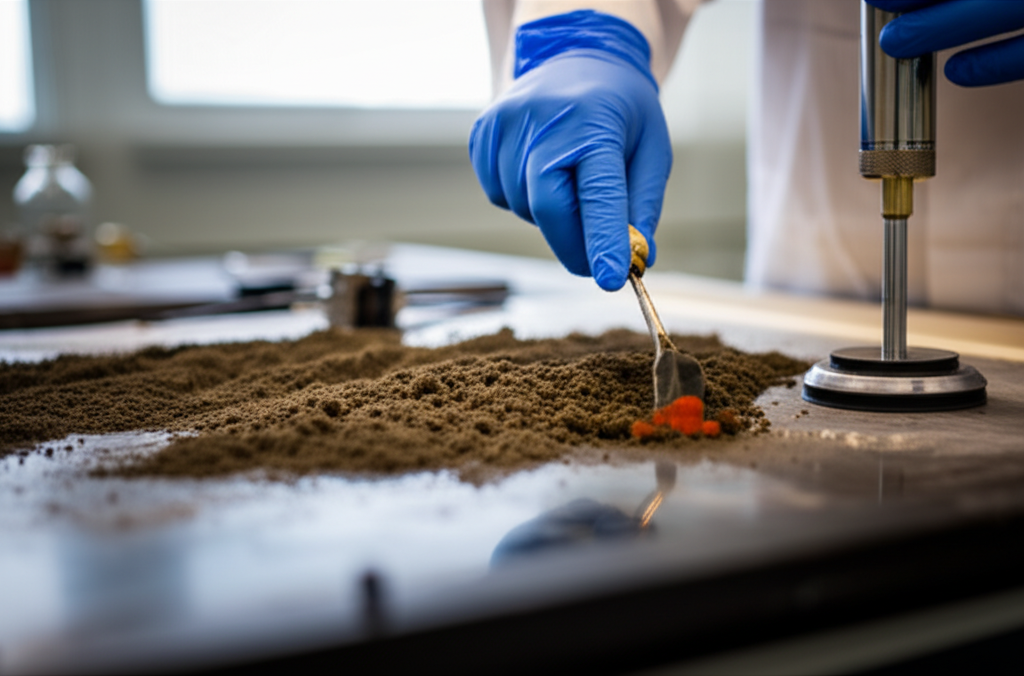
The Diploma in Soil Improvement and Grouting focuses on the study and application of advanced techniques for soil stabilization and consolidation, using grouting of various materials to improve the geotechnical properties of the soil. It delves into soil analysis, the selection of grouting materials, and the design of grouting systems, considering factors such as permeability and compressive strength. Methods such as cement grouting, epoxy resins, and geosynthetics are explored, as well as their application in civil engineering projects, tunnel construction, and structural rehabilitation. The program provides practical knowledge in drilling and ground preparation, grout quality control, and treatment effectiveness assessment. Current regulations and best engineering practices are addressed, including compliance with geotechnical safety standards and the management of associated risks. This training program equips professionals such as geotechnical engineers, foundation specialists, and construction supervisors, enhancing their skills in the planning and execution of infrastructure projects.
Target keywords (naturally occurring in the text): soil improvement, grouting, ground stabilization, soil analysis, cement grouting, geotechnical engineering, foundations, soil engineering diploma.
Diploma in Soil Improvement and Injections
- Format: Online
- Duration: 8 months
- Hours: 900 H
- Language: ES / EN
- Credits: 60 ECTS
- Registration date: 04-07-2026
- Strat date: 14-08-2026
- Available places: 4
979 $
Competencias y resultados
Qué aprenderás
1. Mastery of Advanced Soil Improvement and Injection Techniques
Para quien va dirigido nuestro:
Diploma in Soil Improvement and Injections
9.9 Preliminary Geotechnical Evaluation and Soil Characterization
9.9 Geotechnical Data Analysis and Subsurface Modeling
9.3 Design Criteria for Soil Improvement
9.4 Selection of Appropriate Improvement Techniques
9.5 Improvement Project Design: Principles and Methodologies
9.6 Estimation of Design Parameters and Performance Criteria
9.7 Environmental Impact Assessment and Sustainability in Design
9.8 Regulatory and Normative Aspects in Improvement Design
9.9 Geotechnical Design Software and Tools
9.9 Fundamental Principles of Soil Grouting
9.9 Types of Grouting Materials and Their Properties
9.3 Grouting Techniques for Different Soil Types
9.4 Grouting Design and Planning
9.5 Grouting Equipment and Machinery
9.6 Chemical Stabilization Techniques Soil
9.7 Mechanical Stabilization and Dynamic Compaction
9.8 Monitoring and Quality Control in Grouting and Stabilization
9.9 Case Studies: Application of Grouting and Stabilization Techniques
3.9 Preloading Consolidation Methods
3.9 Consolidation Techniques with Vertical Drains
3.3 Vacuum Consolidation and its Applications
3.4 Deep Dynamic Consolidation
3.5 Design of Advanced Consolidation Systems
3.6 Modeling and Simulation of Consolidation Processes
3.7 Control and Monitoring of Consolidation
3.8 Results Analysis and Effectiveness Evaluation
3.9 Consolidation in Problematic Soils
4.9 Strategies for Comprehensive Soil Improvement
4.9 Combination of Improvement Techniques
4.3 Design of Customized Solutions for Specific Projects
4.4 Risk Management in Soil Improvement Projects Soils
4.5 Cost-Benefit Considerations in Soil Improvement
4.6 Environmental Impact and Sustainability in Improvement Strategies
4.7 Application of Innovative Technologies in Improvement
4.8 Case Studies: Successful Integrated Strategies
4.9 Integration of Strategies in Different Types of Projects
5.9 Grout Injection for Sealing and Leak Control
5.9 Grouting Injection for Structural Reinforcement
5.3 Resin Injection for Soil Stabilization
5.4 Polyurethane Injection for Water Control
5.5 Selection and Design of Specialized Injections
5.6 Application of Injections in Sandy and Cohesive Soils
5.7 Injection Techniques for Seismic Improvement
5.8 Case Studies: Specialized Injections in Practice
5.9 Innovations in Materials and Injection Techniques Specialized Areas
6.9 Conceptual Design and Preliminary Improvement Project
6.9 Preparation of Technical Specifications and Bidding Documents
6.3 Contractor Selection and Project Management
6.4 Quality Control and Construction Supervision
6.5 Risk Management and Accident Prevention
6.6 Project Planning and Scheduling
6.7 Costs and Budgets in Improvement Projects
6.8 Case Studies: Design and Execution of Successful Projects
6.9 Legal and Contractual Aspects of Project Execution
7.9 Solutions for Soft Soil Improvement
7.9 Solutions for Differential Settlement Control
7.3 Solutions for Slope Stabilization
7.4 Solutions for Seismic Risk Mitigation
7.5 Solutions for Soil Waterproofing
7.6 Design of Comprehensive Solutions for Urban Projects
7.7 Case Studies: Solutions Integrated Solutions in Different Contexts
7.8 Evaluation of the Effectiveness of Integrated Solutions
7.9 Sustainability and Social Responsibility in Solutions
8.9 Principles of Hydraulic Consolidation
8.9 Consolidation by Vibration and Dynamic Compaction
8.3 Cement Grouting for Soil Reinforcement
8.4 Slurry Grouting for Sealing and Leak Control
8.5 Design of Consolidation Systems with Grouting
8.6 Monitoring and Control of Consolidation and Grouting
8.7 Evaluation of the Effectiveness of Consolidation Techniques
8.8 Case Studies: Consolidation and Grouting
8.9 Innovations in Consolidation and Grouting Techniques
9.9 Laboratory and Field Tests for Quality Control
9.9 Quality Control in the Manufacturing of Grouting Materials
9.3 Quality Assurance in the Execution of Works
9.4 Monitoring and Evaluation of Improved Soil Performance
9.5 Applications of Improvement Techniques in Different Projects
9.6 Applications in Foundations and Retaining Structures
9.7 Applications in Road and Railway Works
9.8 Applications in Slope and Hillside Stabilization
9.9 Applications in Environmental Protection
Proyectos tipo capstones
- Geotechnical Stabilization: Grouting Design, Consolidation Analysis, and Results Evaluation.
- 3D Modeling: Grouting Flow Simulation and Environmental Impact Analysis.
- Quality Control: Post-Gluing Evaluation Protocols and Data Management.
- Case Studies: Analysis of Real Projects and Improvement Proposals.
Admisiones, tasas y becas
¿Tienes dudas?
Nuestro equipo está listo para ayudarte. Contáctanos y te responderemos lo antes posible.