
Diploma in TBM/NATM Construction Methods and Site Management
Sobre nuestro Diploma in TBM/NATM Construction Methods and Site Management
The Diploma in TBM/NATM Construction Methods and Site Management focuses on the application of advanced tunneling techniques, specifically in Tunnel Boring Machine (TBM) and NATM (New Austrian Tunneling Method), addressing comprehensive site management and the optimization of construction processes. It integrates knowledge of geotechnical engineering, slope stability, and deformation control, including the use of geotechnical monitoring tools, numerical simulation, and risk management applied to underground infrastructure projects.
The program provides practical experience in tunnel design and construction, resource management and site safety, compliance with international regulations and industry standards. It focuses on preparing professionals for roles such as tunnel engineers, construction managers, underground project managers, and geotechnical specialists, with the aim of strengthening their employability in road, rail, and urban services infrastructure projects.
Target keywords (natural occurrences in the text): TBM, NATM, tunneling, land management, geotechnics, slope stability, geotechnical monitoring, risk management, diploma in tunneling.
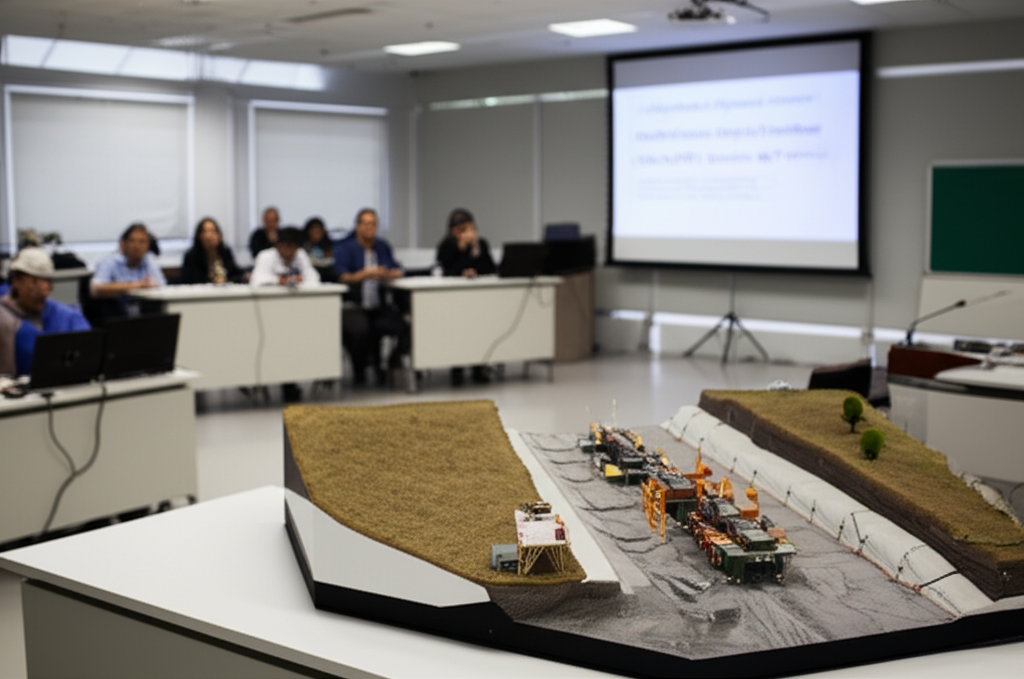
Diploma in TBM/NATM Construction Methods and Site Management
- Modalidad: Online
- Duración: 8 meses
- Horas: 900 H
- Idioma: ES / EN
- Créditos: 60 ECTS
- Fecha de matrÃcula: 30-04-2026
- Fecha de inicio: 10-06-2026
- Plazas disponibles: 2
849 $
Competencias y resultados
Qué aprenderás
1. Expert Mastery of TBM/NATM Methods: Construction, Site Management, and Optimal Results
## What Will You Learn?
1. **Expert Mastery of TBM/NATM Methods: Construction, Ground Management, and Optimal Results**
Maintenance.
Manage the risks associated with tunnel construction, including preventing cave-ins, minimizing vibrations, and protecting the environment.
Optimize the design and planning of tunnel projects, using specialized software to simulate ground behavior and predict outcomes.
Analyze case studies of successful and unsuccessful TBM/NATM projects to identify best practices and learn from experience.
Develop leadership and team management skills in tunnel construction projects to ensure efficiency and adherence to deadlines.
2. Master's Degree in TBM/NATM: Advanced Construction Design, Site Management, and Strategic Performance
- Master advanced tunnel design and construction using TBM/NATM methods.
- Apply efficient ground management techniques in underground projects.
- Develop strategies to optimize performance and productivity in tunnel construction.
- Evaluate and manage the risks associated with tunnel construction, including geology, water, and stability.
- Use specialized software for the design, modeling, and simulation of TBM/NATM tunnels.
- Understand and apply the principles of rock and soil mechanics in tunnel design.
- Analyze the economic and financial aspects of tunnel construction projects.
- Study the relevant international standards and regulations for tunnel construction.
- Implement quality control and quality assurance strategies in tunnel construction.
- Manage the Safety and health at work in tunnel construction projects.
Learn to plan and schedule complex tunnel construction projects.
Develop leadership and team management skills in the context of tunnel construction projects.
Explore the latest technological innovations in tunnel construction, such as automation and robotics.
3. Comprehensive user-oriented design and validation (from modeling to manufacturing)
You will learn to integrate the entire product development process, from initial model conception to final validation, applying user-centered methodologies. You will develop skills in parametric design, ergonomics, simulation, sustainable materials, 3D visualization, and manufacturing management, ensuring efficient, safe solutions that meet current industry standards.
4. Excellence in TBM/NATM: Construction, Ground Control, and Efficient Execution
4. **Excellence in TBM/NATM: Construction, Ground Control, and Efficient Execution**
- Identification and evaluation of geotechnical soil properties to optimize design and execution.
- Detailed analysis of excavation principles using TBMs (Tunnel Boring Machines) and NATMs (New Austrian Tunneling Method).
- Design of support structures, including linings, anchors, and waterproofing systems, adapted to specific ground conditions.
- Comprehensive ground control, encompassing stability management, subsidence prevention, and geotechnical risk mitigation.
- Optimization of the construction sequence to maximize efficiency and minimize execution times.
Implementation of monitoring and control systems, including geotechnical instrumentation, to ensure safety and compliance with project objectives.
Application of advanced technologies, such as numerical modeling and artificial intelligence, to improve decision-making and the predictability of results.
Quality management and process control, including materials verification, work inspection, and non-conformity management.
Study of practical cases and analysis of lessons learned from real-world underground building projects.
Legislation and regulations applicable to the construction of tunnels and underground works.
5. Advanced Training in TBM/NATM: Underground Construction, Site Management, and Goal Achievement
Here is the SEO-optimized content about what you will learn in the course, respecting your guidelines:
5. Advanced TBM/NATM: Underground Construction, Ground Management, and Goal Achievement
- Gain in-depth knowledge of the planning and execution of underground construction projects, including the optimal selection of TBM (Tunnel Boring Machine) and NATM (New Austrian Tunneling Method) methods.
- Master advanced ground management techniques, such as geotechnical characterization, geological risk analysis, and environmental impact mitigation.
- Learn to optimize the design and construction of tunnels and underground structures, considering aspects such as structural stability, waterproofing, and ventilation.
- Apply 3D modeling and simulation tools to predict the behavior of ground and underground structures, enabling more informed decision-making.
- Develop project management skills of underground building construction, including planning, scheduling, cost control, and contract management.
Understand the specific challenges of construction in different types of terrain, such as rock, soil, and aquifers, and apply appropriate technical solutions.
Analyze case studies of successful and unsuccessful underground building projects to extract lessons learned and improve professional practice.
Acquire knowledge of the latest trends and technologies in the field of underground building construction, such as automation, digitalization, and sustainability.
Learn to establish and maintain effective communication with work teams, clients, and regulatory authorities to ensure project success.
Apply workplace safety principles to protect workers and minimize risks on the construction site.
6. Specialization in TBM/NATM: Underground Construction, Site Management, and Integrated Project Management
You will learn to integrate the entire product development process, from initial model conception to final validation, applying user-centered methodologies. You will develop skills in parametric design, ergonomics, simulation, sustainable materials, 3D visualization, and manufacturing management, ensuring efficient, safe solutions that meet current industry standards.
Para quien va dirigido nuestro:
Diploma in TBM/NATM Construction Methods and Site Management
Civil, mining, or related engineers with an interest in tunnel and underground construction.
Professionals from construction, consulting, and infrastructure project management companies working with TBM/NATM methods.
Supervisors, site managers, and technical personnel involved in the execution and control of projects using tunnel boring machines (TBMs) and NATM construction methods.
Personnel from public and private institutions requiring knowledge in land management and the evaluation of underground infrastructure projects.
- Standards-driven curriculum: you will work with CS-27/CS-29, DO-160, DO-178C/DO-254, ARP4754A/ARP4761, ADS-33E-PRF from the first module.
- Accreditable laboratories (EN ISO/IEC 17025) with rotor bench, EMC/Lightning pre-compliance, HIL/SIL, vibrations/acoustics.
- Evidence-oriented TFM: safety case, test plan, compliance dossierand operational limits.
- Mentored by industry: teachers with experience in rotorcraft, tiltrotor, eVTOL/UAM and flight test.
- Flexible modality (hybrid/online), international cohorts and support from SEIUM Career Services.
- Ethics and security: safety-by-design approach, cyber-OT, DIH and compliance as pillars.
Module 1 — Fundamentals of TBM/NATM and Geotechnical Engineering
1.1 Introduction to TBM/NATM: Definitions and Key Applications
1.2 Fundamental Principles of Geotechnical Engineering in Underground Projects
1.3 Subsurface Exploration and Characterization: Methods and Techniques
1.4 Soil and Rock Properties: Analysis and Evaluation
1.5 Slope and Excavation Stability: Basic Concepts
1.6 Preliminary Geotechnical Design: Parameter Estimation
1.7 Geotechnical Instrumentation: Monitoring and Control
1.8 Hydrogeological Considerations in Underground Works
1.9 Relevant Regulations and Standards
1.10 Case Studies: Analysis of Successful Projects and Lessons Learned
2.2 Fundamentals of Construction Design in TBM/NATM
2.2 Principles of Ground Management in Underground Projects
2.3 Preliminary Geotechnical Analysis and its Impact on Design
2.4 Design Strategies for Tunnels with TBMs
2.5 Support Design in NATMs: Methods and Applications
2.6 Ground Management Planning: Excavation and Support
2.7 Quality Control and Monitoring in Underground Construction
2.8 Drainage Design and Groundwater Management
2.9 Equipment and Machinery Selection for TBM/NATMs
2.20 Case Studies: Design and Management of Successful Projects
2.5
3.3 Fundamentals of Underground Construction and TBM/NATM
3.2 Geology and Subsurface Characterization for TBM/NATM Projects
3.3 Conceptual Design and Construction Method Selection
3.4 Excavation Techniques with TBM and NATM
3.5 Ground Support and Stabilization Systems
3.6 Risk Management and Mitigation in TBM/NATM Projects
3.7 Quality Control and Assurance in Underground Construction
3.8 Cost Optimization and Scheduling in TBM/NATM Projects
3.9 Case Studies and Comparative Analysis of TBM/NATM Projects
3.30 Occupational Health and Safety Aspects in Underground Works
4.4 Fundamentals of TBM/NATM Construction: Key Principles and Techniques
4.2 Applied Geotechnics: Soil Analysis and Risk Assessment
4.3 Structural Design: Components and Systems in Underground Projects
4.4 Mechanized Excavation: TBM Operations and Maintenance
4.5 NATM Methods: Implementation and Control Under Different Conditions
4.6 Ground Management: Stabilization, Drainage, and Settlement Control
4.7 Materials and Linings: Selection and Application in Tunnels
4.8 Quality Control: Inspection and Assurance in Construction
4.9 Safety in Underground Construction: Regulations and Protocols
4.40 Case Studies: Analysis of Successful Projects and Lessons Learned
5.5 Fundamentals of TBM/NATM: History and evolution of the methods.
5.5 Principles of geotechnics applied to underground construction.
5.3 Subsurface characterization and geotechnical testing.
5.4 Soil and rock types: classification and properties.
5.5 Impact of groundwater on construction.
5.6 Geotechnical instrumentation and ground monitoring.
5.7 Standards and regulations for TBM/NATM.
5.8 Preliminary studies and geotechnical risk analysis.
5.5 Structural design and components of TBM/NATM.
5.5 Selection of the appropriate construction method.
5.3 Design of tunnels and underground structures.
5.4 Ground management planning: excavation and support.
5.5 Deformation and settlement control.
5.6 Design of drainage and waterproofing systems. 5.7 Structural Stability and Safety Analysis
5.8 3D Modeling and Design Software for TBM/NATMs
3.5 Excavation Techniques for TBMs and NATMs
3.5 Support Systems: Rock Bolts, Shotcrete, and Arches
3.3 Development and Construction in Different Types of Terrain
3.4 Implementation of Ventilation and Safety
3.5 Tunnel Cross-Section Design and Optimization
3.6 Logistics and Transportation in Underground Works
3.7 Waste Management and Sustainability in Construction
3.8 Cost Control and Resource Optimization
4.5 Principles of Efficient Building in TBMs/NATMs
4.5 Design and Construction of Underground Stations
4.3 Integration of Systems and Services in Tunnels
4.4 Design of Metro and Railway Stations
4.5 Implementation of Fire Safety 4.6 Quality Management and Construction Control
4.7 Productivity Improvement and Time Reduction
4.8 Case Studies and Examples of Successful Projects
5.5 Importance of Geotechnical Analysis in Underground Projects
5.5 Stability Studies and Risk Analysis
5.3 Geotechnical Modeling Techniques
5.4 Design and Management of Underground Projects
5.5 Project Planning, Scheduling, and Control
5.6 Contract Management and Construction Supervision
5.7 Cost Estimation and Budgeting
5.8 Effective Communication and Stakeholder Management
6.5 Construction Methods in Underground Construction
6.5 Excavation and Support in Different Soil Conditions
6.3 Excavation Management and Controlled Blasting
6.4 Groundwater Management
6.5 Workflow Planning and Management 6.6 Information and Documentation Management Systems
6.7 Ground Monitoring and Control
6.8 Implementation of Safety Measures
7.5 Ground Control and Stability in Excavations
7.5 Implementation of Geotechnical Monitoring Systems
7.3 Design and Implementation of Mitigation Measures
7.4 Risk Management and Deviation Control
7.5 Project Execution in Different Geological Environments
7.6 Quality Control and Regulatory Compliance
7.7 Project Closure and Handover
7.8 Documentation and Lessons Learned
8.5 Principles of Underground Construction and Applications
8.5 Design and Construction Strategies for Tunnels and Caverns
8.3 Selection of Technologies and Materials
8.4 Performance Optimization and Energy Efficiency
8.5 Project Management and Supply Chain Optimization 8.6 Risk assessment and decision-making.
8.7 Strategies for achieving project objectives.
8.8 Key performance indicators (KPIs) and results analysis.
6.6 Fundamentals of TBM/NATM: Introduction and Principles
6.2 Geotechnical Exploration: Subsurface Studies and Characterization
6.3 Soil and Rock Types: Identification and Behavior
6.4 Foundations: Design and Selection for Tunnels and Underground Structures
6.5 Soil-Structure Interaction: Analysis and Modeling
6.6 Support Design: Methods and Techniques
6.7 Geotechnical Instrumentation: Monitoring and Control
6.8 Case Studies: Practical Applications and Examples
2.6 Conceptual Design: Selection of the TBM/NATM Method
2.2 Preliminary Studies: Site Investigation and Evaluation
2.3 Geometric Design: Layout and Dimensioning
2.4 Cost Estimation: Budget and Feasibility
2.5 Project Planning: Schedules and Resources
2.6 Risk Management: Identification and Mitigation
2.7 Land Acquisition Permits and Regulations
2.8 Excavation Management: Control and Supervision
3.6 TBM Construction Methods: Machine Design and Operation
3.2 NATM Construction Methods: Sequences and Patterns
3.3 Support Design: Systems and Applications
3.4 Materials Management: Transportation and Disposal
3.5 Quality Control: Inspection and Testing
3.6 Resource Optimization: Time, Costs, and Materials
3.7 Construction Safety: Risk Prevention
3.8 Case Studies: Implementation of Techniques
4.6 Structural Design: Analysis and Dimensioning
4.2 Building Design: Integration with the Site
4.3 Construction Materials: Selection and Use
4.4 Construction Processes: Sequence and Execution
4.5 Construction Control: Supervision and Monitoring
4.6 Energy Efficiency: Sustainable Design
4.7 Maintenance and Repair: Strategies and Techniques
4.8 Case Studies: Building Examples
5.6 Geology and Advanced Geotechnics: Subsurface Analysis
5.2 Geotechnical Modeling: Software and Techniques
5.3 Slope Stability: Analysis and Design
5.4 Tunnel Design: Geotechnical Aspects
5.5 Foundation Design: Design Criteria
5.6 Risk Analysis: Geotechnical Evaluation
5.7 Geotechnical Instrumentation: Data Interpretation
5.8 Case Studies: Application of Analysis
6.6 Excavation and Initial Support: Techniques and Methods
6.2 Waste Management: Disposal and Reuse
6.3 Drainage Systems: Design and Construction
6.4 Waterproofing: Methods and Materials
6.5 Ground Stabilization: Consolidation Techniques
6.6 Settlement Control: Preventive Measures
6.7 Safety Management: Regulations and Protocols
6.8 Case Studies: Experiences and Lessons Learned
7.6 Site Monitoring: Instrumentation and Measurement
7.2 Stability Assessment: Analysis and Evaluation
7.3 Geotechnical Risk Management: Mitigation
7.4 Quality Control: Inspection and Testing
7.5 Change Management: Adaptation and Adjustments
7.6 Contingency Planning: Emergency Response
7.7 Safety Audits: Verification and Compliance
7.8 Case Studies: Implementation of Control
8.6 Optimized Design: Systems Integration
8.2 Efficient Construction: Advanced Techniques
8.3 Project Management: Planning and Control
8.4 Construction Management: Supervision and Coordination
8.5 Cost Control: Budgeting and Disbursements
8.6 Quality Management: Assurance and Control
8.7 Project Handover: Closure and Documentation
8.8 Case Studies: Outstanding Performance
7.7 Fundamentals of TBM/NATM: History, principles, and applications
7.2 Basic Geotechnics: Soil and rock properties, geotechnical exploration
7.3 Soil-structure interaction: Initial geotechnical design and analysis
7.4 Tunnel types: Classification and selection of the construction method
7.7 Environmental and safety considerations in underground projects
7.6 Preliminary studies: Site investigation and risk assessment
7.7 Relevant regulations and standards for TBM/NATM projects
7.8 Introduction to geotechnical instrumentation and monitoring
2.7 Structural design: Tunnel design, linings, and support
2.2 Support systems: Rock bolts, mesh, shotcrete, segment rings
2.3 Excavation design: Construction sequences and advancement methods
2.4 Ground management: Stabilization, seepage control, and drainage
2.7 Project planning and scheduling: Schedule and resources
2.6 Costs and budgets: Estimation, control, and Cost tracking
2.7 Quality control: On-site inspection and testing
2.8 Risk management: Risk identification, assessment, and mitigation
3.7 Excavation methods: Blasting, roadheaders, tunnel boring machines (TBMs), and NATMs
3.2 Equipment and machinery: Equipment selection and operation
3.3 Construction logistics: Material transport and waste management
3.4 Excavation control: Progress, deviation, and trajectory adjustment
3.7 Ventilation and safety: Ventilation systems and explosion protection
3.6 Design optimization: Reducing construction costs and time
3.7 Performance improvement: Productivity, efficiency, and quality control
3.8 Case studies: Analysis of successful projects and lessons learned
4.7 Underground building design: Structures and systems
4.2 Systems integration: Mechanical, electrical, and plumbing
4.3 Access design: Ramps, stairs, and elevators
4.4 Construction in areas Urban planning: Interference management and mitigation
4.7 Settlement control: Monitoring and protection of adjacent buildings
4.6 Energy efficiency: Sustainable design and environmental impact reduction
4.7 Construction: Quality control and adherence to deadlines
4.8 Case studies: Examples of efficient and sustainable construction
7.7 Advanced geotechnical analysis: Numerical modeling, seismic analysis
7.2 Geotechnical instrumentation: Types, installation, and data analysis
7.3 Project management: Team management, contracts, and subcontractors
7.4 Cost control: Monitoring, analysis, and optimization
7.7 Quality control: Inspection, testing, and results validation
7.6 Site safety: Accident prevention and regulatory compliance
7.7 Project planning: Scheduling, risk management, and change control
7.8 Case studies: Experiences in complex projects and challenges overcome
6.7 Underground construction methods: Excavation, support, and lining
6.2 Risk management: Risk Identification, Assessment, and Mitigation
6.3 Ground Stabilization Techniques: Grouting, Freezing
6.4 Groundwater Management: Drainage, Waterproofing
6.7 Logistics and Transportation: Materials and Equipment Management
6.6 Safety in Underground Construction: Accident Prevention
6.7 Case Studies: Analysis of Successful and Unsuccessful Projects
6.8 Implementation of Lessons Learned
7.7 Ground Control Systems: Monitoring, Instrumentation, and Data Analysis
7.2 Stability Analysis: Risk Assessment and Corrective Measures
7.3 Execution Management: Quality Control, Schedules, and Costs
7.4 Construction Supervision: Inspection and Monitoring of Activities
7.7 Ground Reinforcement Techniques: Grouting, Anchoring, and Other Methods
7.6 Change Management: Adapting to Unforeseen Events and Process Optimization
7.7 Project Closure: Documentation, Handover, and Evaluation of Results
7.8 Case Studies: Project Analysis and Lessons Learned Lessons Learned
8.7 Tunnel Design and Construction: Key Aspects and Best Practices
8.2 Selection of Construction Methods: TBM and NATM
8.3 Excavation Management: Progress Control, Safety, and Quality
8.4 Risk Management: Identification, Assessment, and Mitigation
8.7 Superior Performance: Optimizing Costs, Schedules, and Quality
8.6 Case Study Analysis: Examples of Success and Failure
8.7 Advanced Techniques: Geotechnical Engineering, Structural Analysis, and Modeling
8.8 Continuous Improvement: Learning and Process Optimization
8.7
8.8 Fundamental Concepts of TBM/NATM and Their Application
8.8 Subsurface Exploration and Characterization
8.3 Geotechnical Principles for Tunnels and Underground Excavations
8.4 Geological and Geophysical Studies in TBM/NATM Projects
8.5 Selection of Ground-Based Construction Methods
8.8 Structural Design Principles in TBM/NATM
8.8 Structural Design of Tunnels and Excavations
8.3 Resource Management and Project Scheduling
8.4 Quality Control and Assurance in Construction
8.5 Risk Management and Mitigation in the Field
3.8 Excavation Methods in TBM/NATM
3.8 Ground Support and Stabilization Techniques
3.3 Optimization of Construction Processes
3.4 Implementation of Cutting-Edge Technologies in Construction
3.5 Performance Improvement and Cost Reduction
4.8 Design and Construction Efficient Underground Structures
4.8 Building Management in Complex Environments
4.3 Deformation and Settlement Control Techniques
4.4 Integration of Systems and Services in Tunnels
4.5 Design Optimization for Operational Efficiency
5.8 Stability Analysis and Geotechnical Design
5.8 Geotechnical Modeling and Simulation
5.3 Underground Construction Project Management
5.4 Construction Supervision and Control
5.5 Quality and Safety Management in Projects
6.8 Specialized Underground Construction Methods
6.8 Soil Management and Handling in Different Conditions
6.3 Design and Construction of Underground Galleries and Chambers
6.4 Planning and Control of Large-Scale Projects
6.5 Strategies for Mitigating Risks and Challenges
7.8 Soil Monitoring and Control
7.8 Grouting and Consolidation Techniques Soil
7.3 Design and Execution of Geotechnical Studies
7.4 Quality Control and Assurance in Execution
7.5 Process Optimization for Efficient Execution
8.8 Strategies for Superior Performance in Underground Construction
8.8 Design Optimization for Operational Efficiency
8.3 Risk Management and Mitigation of Environmental Impacts
8.4 Performance Improvement and Cost Reduction
8.5 Life Cycle Analysis and Sustainability
8.6 Project Management and Construction Control
8.7 Implementation of Innovative Technologies
8.8 Analysis of Success Stories and Lessons Learned
9.9 Introduction to Geotechnical Engineering in TBM/NATM
9.9 Soil and Rock Types: Properties and Classification
9.3 Preliminary Geotechnical Studies and Their Importance
9.4 Subsurface Exploration: Methods and Techniques
9.5 Geotechnical Characterization for Tunnel Design
9.6 Foundations in TBM/NATM Environments: Design and Analysis
9.7 Slope Stability and Risk Assessment
9.8 Analysis of Ground Settlement and Deformation
9.9 Impact of Geotechnical Engineering on the Choice of Construction Method
9.90 Case Studies: Application of Geotechnical Engineering in Real-World Projects
9.9 Principles of Structural Design in TBM/NATM
9.9 Structural Design of Tunnels: Linings and Supports
9.3 Selection and Sizing of TBM Equipment
9.4 Excavation Methods: NATM and Its Variants
9.5 Cross-Section Design: Optimization and Safety
9.6 Excavation Management: Planning and Control
9.7 Design of drainage and waterproofing systems
9.8 Waste management and disposal of excavated material
9.9 3D modeling and BIM in construction design
9.90 Practical case studies of construction design in various projects
3.9 Excavation methods with TBMs: types and applications
3.9 Excavation techniques with NATMs: phases and procedures
3.3 Temporary and permanent support: solutions and materials
3.4 Consolidation and sealing grouting: techniques and applications
3.5 Ventilation and safety systems in tunnels
3.6 Quality control in construction techniques
3.7 Excavation optimization: times and costs
3.8 Automation and robotics in tunnel construction
3.9 New technologies in construction techniques
3.90 Case studies: comparison of construction techniques
4.9 Planning and scheduling of TBM/NATM projects
4.9 Resource management: personnel, equipment, and materials
4.3 Cost control and budgeting in projects Tunnels
4.4 Quality Management: Control and Assurance
4.5 Construction Safety: Regulations and Procedures
4.6 Risk Mitigation: Identification and Management
4.7 Contract Management and Supplier Relations
4.8 Implementing Energy Efficiency in Construction
4.9 Sustainability and Green Building in Tunnels
4.90 Case Studies: Efficient Execution in Various Projects
5.9 Principles of Advanced Geotechnical Analysis
5.9 Finite Element Modeling: Application in Tunnels
5.3 Stability Analysis of Tunnels and Excavations
5.4 Prediction of Settlements and Deformations
5.5 Analysis of Seepage and Groundwater Flow
5.6 Soil-Structure Interaction: Analysis and Design
5.7 Design of Retaining Walls and Diaphragm Walls
5.8 Seismic Analysis and Earthquake-Resistant Design
5.9 Specialized Software for Geotechnical Analysis
5.90 Case Studies: Applications of Geotechnical Analysis
6.9 Construction Strategies in Different Conditions Groundwork
6.9 Groundwater Management: Drainage and Control
6.3 Ground Consolidation: Techniques and Applications
6.4 Injection Methods: Types and Uses
6.5 Geotechnical Monitoring: Instrumentation and Data Analysis
6.6 Control of Ground Subsidence and Displacement
6.7 Geotechnical Risk Management
6.8 Planning and Management of Logistics on Site
6.9 Safety and Environmental Protection in Construction
6.90 Case Studies: Successful Ground Management
7.9 Design and Implementation of Ground Control Systems
7.9 Geotechnical Monitoring: Instrumentation and Analysis
7.3 Assessment and Management of Geotechnical Risks
7.4 Quality Control in Tunnel Construction
7.5 Safety Management in Underground Projects
7.6 Management of Documentation and Technical Reports
7.7 Control of Project Schedules and Costs
7.8 Communication and Collaboration Among Teams
7.9 Management of Project Changes and Modifications
7.90 Case Studies: Control of the land in complex projects
8.9 Leadership and team management in TBM/NATM projects
8.9 Decision-making and problem-solving
8.3 Innovation and new technology management
8.4 Optimization of operational efficiency
8.5 Continuous improvement and organizational learning
8.6 Communication and stakeholder relations management
8.7 Regulatory and legal compliance
8.8 Performance evaluation and talent management
8.9 Sustainability and corporate social responsibility
8.90 Success stories: superior performance in building projects
8.90
1. Introduction to TBM/NATM Project Execution: Scope, Objectives, and Initial Planning
2. Selection and Evaluation of TBM/NATM Construction Methods: Comparative Analysis and Critical Factors
3. Detailed Design Engineering: Support Structures, Linings, and Drainage Systems
4. Site Management and Geotechnical Control: Monitoring, Risk Mitigation, and Adaptation
5. TBM/NATM Construction Techniques: Excavation Sequences, Advancement, and Temporary Support
6. Resource Management: Personnel, Equipment, Materials, and Budget
7. Quality Control and Assurance: Inspections, Testing, and Documentation
8. Risk Management in TBM/NATM Projects: Identification, Assessment, and Mitigation
9. Health and Safety Aspects: Accident Prevention and Regulatory Compliance
10. Profitability Assessment and Project Closure: Financial Analysis and Lessons Learned
- Hands-on methodology: test-before-you-trust, design reviews, failure analysis, compliance evidence.
- Software (depending on licenses/partners): MATLAB/Simulink, Python (NumPy/SciPy), OpenVSP, SU2/OpenFOAM, Nastran/Abaqus, AMESim/Modelica, acoustics tools, planning toolchains DO-178C.
- SEIUM Laboratories: scale rotor bench, vibrations/acoustics, EMC/Lightning pre-compliance, HIL/SIL for AFCS, data acquisition with strain gauging.
- Standards and compliance: EN 9100, 17025, ISO 27001, GDPR.
Proyectos tipo capstones
- TBM/NATM: Tunnel optimization (design, execution, management).
- TBM/NATM: Geotechnical analysis, 3D modeling, simulation (subsurface).
- TBM/NATM: Planning, cost control, risk mitigation.
- TBM/NATM: Underground project management (efficiency).
- TBM/NATM: Tunnel optimization (design, execution, management).
- TBM/NATM: Geotechnical analysis, 3D modeling, simulation (subsurface).
- TBM/NATM: Planning, cost control, risk mitigation.
- TBM/NATM: Underground project management (efficiency).
- TBM/NATM Optimization: 3D modeling and simulation; site management; geotechnical risk analysis.
- Advanced Structural Design: Tunnels, FEM analysis; support optimization; deformation assessment.
- Project Planning and Management: Scheduling; cost control; contract management; regulatory compliance.
- Case Studies: Analysis of real projects; identification of lessons learned; improvement proposals.
- TBM/NATM Optimization: Tunnel design, stability, and safety in underground construction.
- TBM/NATM Site Management: Geotechnical analysis, subsurface management, and risk prevention.
- TBM/NATM Progress Control: Construction methods, performance optimization, and efficient execution.
- TBM/NATM Excellence: Planning, project management, and achievement of construction objectives.
- Process energy efficiency: modeling, simulation and optimal control; peak and waste reduction.
Environmental validation: DO-160/IEC plan (vibration, thermal, EMI/lightning) with mitigation measures.
Admisiones, tasas y becas
- Profile: Background in Computer Engineering, Mathematics, Statistics, or related fields; practical experience in NLP and valued information retrieval systems.
- Documentation: Updated CV, academic transcript, SOP/statement of purpose, project examples or code (optional).
- Process: Application → Technical evaluation of profile and experience → Technical interview → Review of case studies → Final decision → Enrollment.
- Fees:
- Single payment: 10% discount.
- Payment in 3 installments: No fees; 30% upon registration + 2 equal monthly payments of the remaining 35%.
Monthly payment: available with a 7% commission on the total; annual review.
Scholarships: based on academic merit, financial need, and promoting inclusion; agreements with companies in the sector for partial or full scholarships.
See “Calendar & Calls for Applications,” “Scholarships & Grants,” and “Fees & Financing” in the SEIUM mega-menu.
¿Tienes dudas?
Nuestro equipo está listo para ayudarte. Contáctanos y te responderemos lo antes posible.