
Diploma in Seismic Rehabilitation and Vulnerability
About us Diploma in Seismic Rehabilitation and Vulnerability
The Diploma in Seismic Rehabilitation and Vulnerability focuses on the application of advanced techniques for the evaluation, design, and execution of rehabilitation projects for existing structures in the face of earthquakes. It includes the analysis of the seismic vulnerability of buildings, the study of structural damage, and the development of strategies for structural reinforcement, using seismic codes and advanced structural modeling. It addresses the repair of concrete, masonry, and steel structures, considering aspects such as durability and seismic behavior. The program aims to provide the tools to assess and mitigate seismic risk, improve the safety of buildings, and optimize investment in rehabilitation projects. The diploma program includes practical case studies and site visits to understand different structural intervention methodologies and the selection of reinforcement materials and techniques. It delves into the evaluation of the load-bearing capacity of structures and the design of reinforcement solutions that meet seismic safety requirements. Participants acquire skills in using specialized software for seismic analysis and reinforcement design, preparing them for professional roles in structural engineering and rehabilitation project management.
Target keywords (naturally occurring in the text): seismic rehabilitation, seismic vulnerability, structural reinforcement, structural damage, seismic regulations, structural modeling, structural repair, structural engineering.
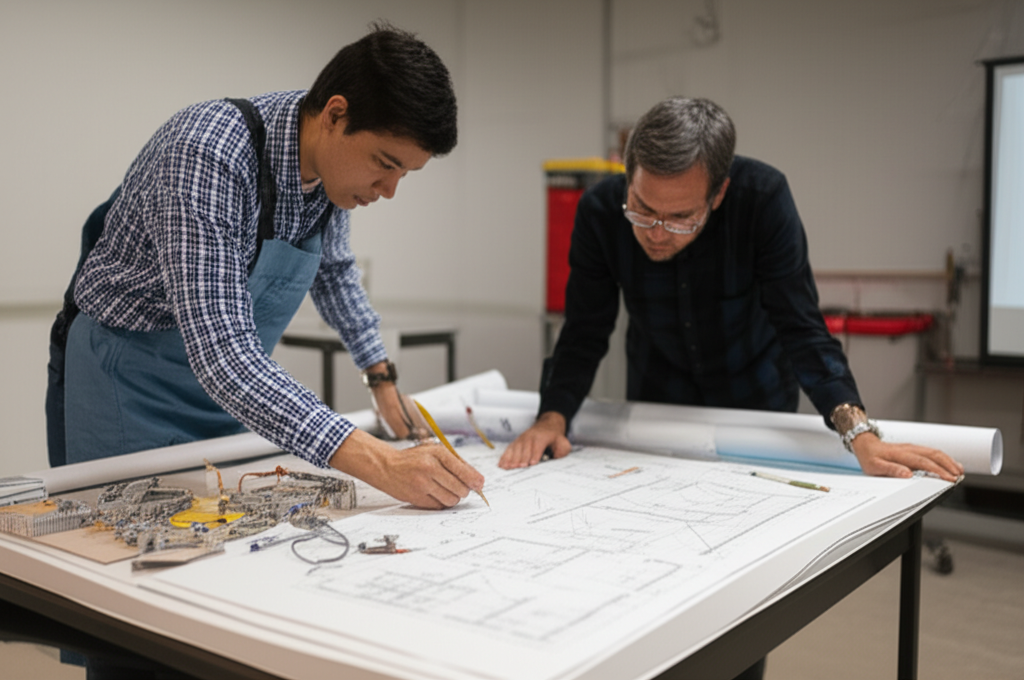
Diploma in Seismic Rehabilitation and Vulnerability
- Format: Online
- Duration: 8 months
- Hours: 900 H
- Language: ES / EN
- Credits: 60 ECTS
- Registration date: 04-07-2026
- Strat date: 14-08-2026
- Available places: 4
875 $
Competencias y resultados
Qué aprenderás
1. **Seismic Risk Assessment and Mitigation: A Comprehensive Diploma Program**
Para quien va dirigido nuestro:
Diploma in Seismic Rehabilitation and Vulnerability
9.9 Introduction to Seismology and Geotechnical Engineering
9.9 Identification and Assessment of Seismic Hazards
9.3 Analysis of the Seismic Vulnerability of Existing Buildings
9.4 Seismic Risk Assessment Methods
9.5 Seismic Risk Mitigation Strategies
9.6 Current Regulations and Legislation
9.7 Case Studies and Practical Examples
9.8 Development of Seismic Risk Management Plans
9.9 Implementation and Monitoring of Mitigation Measures
9.90 Simulation and Analysis of Seismic Scenarios
9.9 Principles of Earthquake-Resistant Design
9.9 Seismic Design Standards and Codes
9.3 Selection of Materials and Structural Systems
9.4 Foundation Design in Seismic Zones 9.5 Design of structural elements: beams, columns, walls.
9.6 Design of seismic-resistant connections and joints.
9.7 Design of seismic damping and isolation systems.
9.8 Structural dynamic analysis and design spectra.
9.9 Advanced structural modeling and simulation.
9.90 Structural optimization and performance-based design.
3.9 Inspection and evaluation of post-earthquake structural damage.
3.9 Types of damage and failure mechanisms in buildings.
3.3 Damage analysis techniques: visual, non-destructive.
3.4 Diagnosis of structural vulnerability.
3.5 Selection of structural reinforcement techniques.
3.6 Reinforcement of reinforced concrete structural elements.
3.7 Reinforcement of steel structures.
3.8 Reinforcement of masonry and composite structures. 3.9 Cost-benefit analysis of reinforcement options.
3.90 Preparation of technical reports for damage analysis and reinforcement.
4.9 Principles of structural rehabilitation.
4.9 Evaluation of the existing structural condition.
4.3 Damage and pathology assessment techniques.
4.4 Rehabilitation strategies: reinforcement, replacement, demolition.
4.5 Reinforcement of reinforced concrete structures: jacketing, grouting.
4.6 Reinforcement of steel structures: welding, bolts, plates.
4.7 Rehabilitation of masonry structures.
4.8 Design and execution of structural interventions.
4.9 Regulatory and legal aspects of rehabilitation.
4.90 Case studies and best practices in rehabilitation.
5.9 Innovative technologies in seismic rehabilitation.
5.9 Seismic isolation systems: foundations, dampers. 5.3 Vibration control systems: mass, fluid.
5.4 Composite materials in structural rehabilitation.
5.5 Reinforcement with carbon and glass fibers.
5.6 Advanced seismic vulnerability analysis.
5.7 Modeling and simulation of complex structures.
5.8 Goal-based seismic performance analysis.
5.9 Design of optimized rehabilitation solutions.
5.90 Integration of innovative technologies in real-world projects.
6.9 Structural design for seismic rehabilitation.
6.9 Performance-based design criteria.
6.3 Selection of structural systems and materials.
6.4 Optimization of structural design.
6.5 Design of reinforcement: beams, columns, walls.
6.6 Design of reinforced connections and joints.
6.7 Design of seismic protection systems.
6.8 Advanced structural modeling and analysis. 6.9 Design Verification and Quality Control
6.90 Practical Cases of Structural Design and Optimization
7.9 Modeling of Existing and Damaged Structures
7.9 Structural Analysis and Modeling Software
7.3 Modeling of Structural Elements: Beams, Columns, Walls
7.4 Modeling of Foundations and Soil-Structures
7.5 Seismic Analysis: Static, Dynamic, Nonlinear
7.6 Evaluation of Seismic Performance
7.7 Structural Reinforcement Strategies
7.8 Design of Seismic Reinforcements: Techniques and Materials
7.9 Modeling and Analysis of Reinforced Behavior
7.90 Case Studies and Application Examples
8.9 Advanced Structural Modeling with Specialized Software
8.9 Modal and Spectral Response Analysis
8.3 Time-History and Nonlinear Analysis 8.4 Advanced Seismic Performance Evaluation
8.5 Performance-Based Design Criteria
8.6 Advanced Structural Reinforcement Strategies
8.7 Reinforcement with Composite Materials and Isolation Systems
8.8 Modeling the Behavior of Reinforced Structures
8.9 Seismic Risk and Vulnerability Assessment
8.90 Case Studies and Practical Applications in Seismic Rehabilitation
Proyectos tipo capstones
- Comprehensive Seismic Analysis of Buildings: 3D modeling, damage assessment, structural reinforcement design, and risk mitigation strategies.
Admisiones, tasas y becas
¿Tienes dudas?
Nuestro equipo está listo para ayudarte. Contáctanos y te responderemos lo antes posible.